Topics
Reproduction in Lower and Higher Plants
- Reproduction
- Asexual Reproduction
- Asexual Reproduction in Unicellular Organisms > Binary Fission
- Binary Fission > Simple Binary Fission
- Binary Fission > Transverse Binary Fission
- Binary Fission > Longitudinal Binary Fission
- Asexual Reproduction in Unicellular Organisms > Multiple Fission
- Asexual Reproduction in Unicellular Organisms > Budding
- Asexual Reproduction in Multicellular Organisms > Fragmentation
- Asexual Reproduction in Multicellular Organisms > Spore Formation
- Vegetative Reproduction or Vegetative Propagation
- Natural Vegetative Propagation
- Artificial Vegetative Propagation
- Sexual Reproduction
- Flower
- Structure and Development of Anther
- Microsporogenesis
- Structure and Development of Male Gametophyte
- Structure and Development of Ovule
- Types of Ovules (Based on Orientation)
- Types of Ovules (Based on Integuments)
- Megasporogenesis
- Development of Female Gametophyte or Embryo Sac
- Pollination
- Autogamy
- Cross-pollination
- Geitonogamy
- Agents and Types of Cross-pollination
- Anemophily
- Hydrophily
- Entomophily
- Ornithophily
- Cheiropteriphily
- Malacophily
- Outbreeding Devices
- Fertilization in Human
- Pollen Pistil Interaction
- Artificial Hybridization or Artificial Fertilization
- Double Fertilization and Triple Fusion
- Endosperm
- Dicotyledonous Embryo
- Monocotyledonous Embryo
- Seed and Fruit Development
- Dormancy
- Apomixis
- Parthenocarpy
- Polyembryony
- Overview of Reproduction in Lower and Higher Plants
Reproduction in Lower and Higher Animals
- Reproduction
- Asexual Reproduction
- Asexual Reproduction in Animals > Gemmule Formation
- Asexual Reproduction in Multicellular Organisms > Budding
- Asexual Reproduction in Multicellular Organisms > Regeneration
- Sexual Reproduction
- Human Reproduction
- The Male Reproductive System
- Basic Concept of Testes
- Duct system of Male Reproductive Tract
- Accessory Glands of Male Reproductive System
- Semen (Seminal fluid)
- External Genitalia: Penis
- The Female Reproductive System
- Female Internal Reproductive Organ > Ovary
- Female Reproductive Duct System
- External Genitalia: Vulva
- Mammary Glands
- Puberty
- Menstrual Cycle (Ovarian Cycle)
- Major Events of Menstrual Cycle
- Menstrual Hygiene
- Gametogenesis
- Spermatogenesis
- Structure of Sperm
- Oogenesis
- Structure of Secondary Oocyte
- Fertilization in Human
- Embryonic Development in Human
- Fate of Germ Layers in Embryonic Development
- Stem Cells
- Pregnancy in Humans
- Placenta (Growth) in Human
- Parturition (Birth) in Human
- Lactation in Human
- Concept of Reproductive Health
- Birth Control
- Natural Contraceptive Methods
- Artificial Contraceptive Methods
- Amniocentesis
- Sexually Transmitted Diseases (STD) or Sexually Transmitted Infections (STI)
- Infertility
- Assisted Reproductive Technology (ART)
- Overview of Reproduction in Lower and Higher Animals
Inheritance and Variation
- Heredity
- Gregor Johann Mendel – Father of Genetics
- Mendel's Experiments on Inheritance
- Reasons for Mendel's Success
- Genetic Terminology
- Monohybrid Cross
- Dihybrid Cross
- Mendel's Laws > The Law of Dominance
- Mendel's Laws > The Law of Segregation (Law of Purity of Gametes)
- Mendel's Laws > The Law of Independent Assortment
- Back Cross and Test Cross
- Deviations from Mendel’s Findings
- Exceptions to Mendel's Principles > Incomplete Dominance
- Exceptions to Mendel's Principles > Co-Dominance
- Exceptions to Mendel's Principles > Multiple alleles
- Exceptions to Mendel's Principles > Pleiotropy
- Chromosomal Theory of Inheritance
- Chromosomes - The Carriers of Heredity
- Types of Chromosomes
- Linkage and Crossing Over
- Autosomal Inheritance
- Sex Linked Inheritance
- Colour blindness
- Haemophilia
- Sex Determination
- Sex Determination in Humans
- Sex Determination in Birds
- Sex Determination in Honey Bees
- Human Genetic Disorders
- Thalassemia
- Autosomal Abnormilities
- Sex Chromosome Abnormalities
- Sex Chromosome Abnormalities
- Overview of Inheritance and Variation
Molecular Basis of Inheritance
- Deoxyribonucleic Acid (DNA)
- Griffith’s Experiment
- Avery, McCarty and MacLeod’s Experiment
- The Hershey-Chase Experiment
- Packaging of DNA Helix
- DNA Replication
- Meselson and Stahl’s Experiment
- Mechanism of DNA Replication
- Semi-Conservative Replication
- Protein Synthesis
- Transcription
- Transcription Unit and the Gene
- Genetic Code
- Characteristics of the Genetic Code
- Mutations and Genetic Code
- Transfer RNA (tRNA)
- Translation
- Mechanism of Translation
- Regulation of Gene Expression
- Operon Concept
- The Lac Operon
- Genomics
- Human Genome Project
- DNA Fingerprinting
- Overview of Molecular Basis of Inheritance
Origin and Evolution of Life
- Origin of Life on Earth
- Redi's and Louis Pasteur’s Experiment
- Chemical Evolution of Life
- Urey and Miller’s Experiment
- The RNA World
- Organic Evolution
- Darwin’s Theory of Natural Selection (Darwinism)
- Basic Postulates of Darwinism
- Drawbacks and Criticism of Darwinism
- Mutation Theory
- Modern Synthetic Theory of Evolution
- Modern Synthetic Theory of Evolution > Genetic Variations
- Modern Synthetic Theory of Evolution > Natural Selection
- Modern Synthetic Theory of Evolution > Isolation
- Mechanism of Organic Evolution
- Hardy Weinberg’s Principle
- Adaptive Radiation
- Evidences of Organic Evolution
- Evidences of organic evolution > Palaeontology
- Connecting Links
- Homology and Homologous Organs
- Analogy and Analogous Organs
- Vestigial Organs
- Molecular (Genetic) Evidences
- Speciation
- Geological Time Scale
- Human Evolution
- Stages of Human Evolution
- Overview of Origin and Evolution of Life
Plant Water Relation
- Properties of Water
- Water Absorbing Organ
- Water Available to Roots for Absorption
- Diffusion
- Osmosis
- Imbibition
- Osmotic Pressure
- Water Potential (ψ)
- Turgidity and Flaccidity (Plasmolysis)
- Path of Water Across the Root
- Mechanism of Absorption of Water
- Translocation of Water
- Root Pressure Theory (Vital Theory)
- Capillarity Theory (physical force theory)
- Cohesion-Tension Theory (Transpiration pull theory)
- Transport of Mineral Ions
- Transportation of Food and Other Substances
- Concept of Transpiration
- Types of Transpiration > Cuticular Transpiration
- Types of Transpiration > Lenticular Transpiration
- Types of Transpiration > Stomatal Transpiration
- Structure of Stomatal Apparatus
- Significance of Transpiration
- Overview of Plant Water Relation
Plant Growth and Mineral Nutrition
- Plant Growth
- Phases of Plant Growth
- Conditions for Plant Growth
- Plant Growth Rate
- Types of Plant Growth
- Plant Growth Curve
- Differentiation, De-differentiation, Re- Differentiation
- Plant Development
- Plant Plasticity
- Plant Hormones
- Auxins
- Gibberellins
- Cytokinins
- Ethylene
- Abscisic Acid (ABA)
- Photoperiodism
- Vernalization (Yarovization)
- Plant Mineral Nutrition
- Roles of Mineral Elements in Plants
- Minerals Salt Absorption
- Nitrogen Cycle
- Overview of Plant Growth and Mineral Nutrition
Respiration and Circulation
- Respiration
- Gaseous Exchange in plants
- Respiration in Animals
- Human Respiratory System
- Mechanism of Respiration > Breathing
- Mechanism of Respiration > External Respiration
- Mechanism of Respiration > Internal Respiration
- Cellular Respiration
- Regulation of Breathing / Respiration
- Disorders of Respiratory System
- Transportation in Living Organisms
- Circulation in Animals
- Circulatory System Or Blood Vascular System
- Composition of Blood > Cellular Elements: Red Blood Cells (Erythrocytes)
- Composition of Blood > Cellular Elements: White Blood Cells (Leukocytes)
- Composition of Blood > Cellular Elements: Blood Platelets (Thrombocytes)
- Human Heart
- Working Mechanism of Human Heart
- Blood Vessels
- Blood Pressure (B.P.)
- Electrocardiogram (ECG)
- Lymph and Lymphatic System
- Overview of Respiration and Circulation
Control and Co-ordination
- Need for Control and Coordination in Organisms
- Nervous System in Hydra
- Nervous System in Planaria (Flatworm)
- Neural Tissue
- Synapse
- Transmission and Generation of Nerve Impulse
- Central Nervous System (CNS)
- The Human Brain
- The Spinal Cord
- Peripheral Nervous System (PNS)
- Reflex Action
- Autonomic Nervous System (ANS)
- Sensory Receptors
- Human Eye
- Structure of the Eyeball
- Human Ear
- Internal Ear and the Mechanism of Balance
- Disorders of Nervous System
- Human Endocrine System
- Concept of Hormone
- General Properties of Hormones
- Mechanism of Hormone Action
- The Hypothalamus
- Pituitary Gland or Hypophysis Gland
- The Pineal Gland
- Thyroid Gland
- Parathyroid Gland
- Thymus Gland
- Adrenal Gland (Suprarenal Gland)
- Pancreas (Islets of Langerhans)
- Reproductive Glands (Gonads)
- Diffuse Endocrine Glands
- Overview of Control and Co-ordination
Human Health and Diseases
- Health
- The Immune System
- Immunity
- Types of Immunity > Innate Immunity
- Types of Immunity > Acquired Immunity
- Cells of Immune System
- Vaccination and Immunization
- Structure of Antibody
- Formation of Antigen-Antibody Complex
- Blood Transfusion and Blood Groups (ABO and Rh system)
- Disease
- Diseases Caused by Protozoa > Malaria
- Diseases Caused by Protozoa > Amoebiasis (Amoeboic dysentery)
- Diseases Caused by Helminths > Ascariasis
- Diseases Caused by Helminths > Filariasis (Elephantiasis)
- Diseases Caused by Bacteria > Typhoid
- Diseases Caused by Bacteria > Pneumonia
- Diseases Caused by Viruses > Common Cold
- Diseases Caused by Fungi > Ringworm
- Diseases Caused by Viruses > Dengue Fever
- Types of Cancer
- Causes of Cancer
- Organs Commonly Affected by Cancer
- Prevention/Treatment of Cancer
- Acquired Immuno Deficiency Syndrome (AIDS)
- Concept of Adolescence
- Addiction
- Drug Abuse
- Addiction and Dependence
- Effects of Drug and Alcohol Abuse
- Prevention and Control of Drugs and Alcohol Abuse
- Cancer
Enhancement of Food Production
- Improvement in Food Production
- Plant Breeding
- Hybridization and its Technique
- Mutation Breeding
- Tissue Culture
- Single Cell Protein (SCP)
- Biofortification
- Animal Husbandry (Livestock)
- Animal Husbandry (Livestock) > Animal Breeding
- Animal Husbandry (Livestock) > Dairy (Livestock) Farm Management
- Animal Husbandry (Livestock) > Poultry Farm Management
- Animal Husbandry (Livestock) > Apiculture (Bee Farming)
- Animal Husbandry (Livestock) > Pisciculture (Fish Farming)
- Animal Husbandry (Livestock) > Sericulture
- Animal Husbandry (Livestock) > Lac Culture
- Microbes in Human Welfare
- Microbes in Industrial Products
- Microbes in Sewage Treatment
- Microbes in Energy Generation
- Microbes as Biocontrol Agents
- Microbes as Biofertilizers
- Microbial Role in Dairy Products
- Overview of Enhancement of Food Production
Human Reproduction
Biotechnology
- Concept of Biotechnology
- Principles of Processes of Biotechnology
- Technique of Gene Cloning and rDNA Technology
- Methodology for rDNA Technology
- Applications of Biotechnology in Health and Medicine
- Applications of Biotechnology in Agriculture
- Gene Therapy
- Crop Biotechnology > Genetically Modified Organisms (GMOs)
- Transgenic Plants
- Transgenic Animals
- Bioethics
- Effects of Biotechnology on the Environment
- Effects of Biotechnology on Human Health
- Biopatent
- Biopiracy
- Overview of Biotechnology
Organisms and Populations
- Organisms and Their Environment
- Habitat
- Niche
- Habitat Vs Niche
- Climatic Factors > Temperature
- Climatic Factors > Precipitation
- Climatic Factors > Light
- Soil Factors (Edaphic Factors)
- Adaptations
- Population and Population Attributes
- Population Age Distribution
- Population Growth
- Population Interactions
- Positive Interactions > Mutualism (Symbiosis)
- Negative Interactions > Competition
- Negative Interactions > Parasitism
- Negative Interactions > Predation
- Positive Interactions > Commensalism
- Overview of Organisms and Populations
Ecosystems and Energy Flow
Biodiversity, Conservation and Environmental Issues
- Biodiversity
- Levels of Biodiversity
- Patterns of Biodiversity
- Importance of Species Diversity to the Ecosystem
- Biodiversity Current Scenario
- Loss of Biodiversity
- Threatened Species
- Conservation of Biodiversity
- Biodiversity Conservation Methods
- Biological Diversity Act, 2002
- Environmental Issues
- Air Pollution
- Effects of Air Pollution
- Major Air Pollutants
- Prevention and Control of Air Pollution
- Noise Pollution
- Water Pollution
- Sources of Water Pollution
- Prevention and Control of Water Pollution
- Solid Waste Management
- Greenhouse Effect
- Global Warming
- Ozone Layer Depletion
- Deforestation and Its Causes
- Mission Harit Maharashtra
- Overview of Biodiversity, Conservation and Environmental Issues
Maharashtra State Board: Class 12
CISCE: Class 12
Introduction
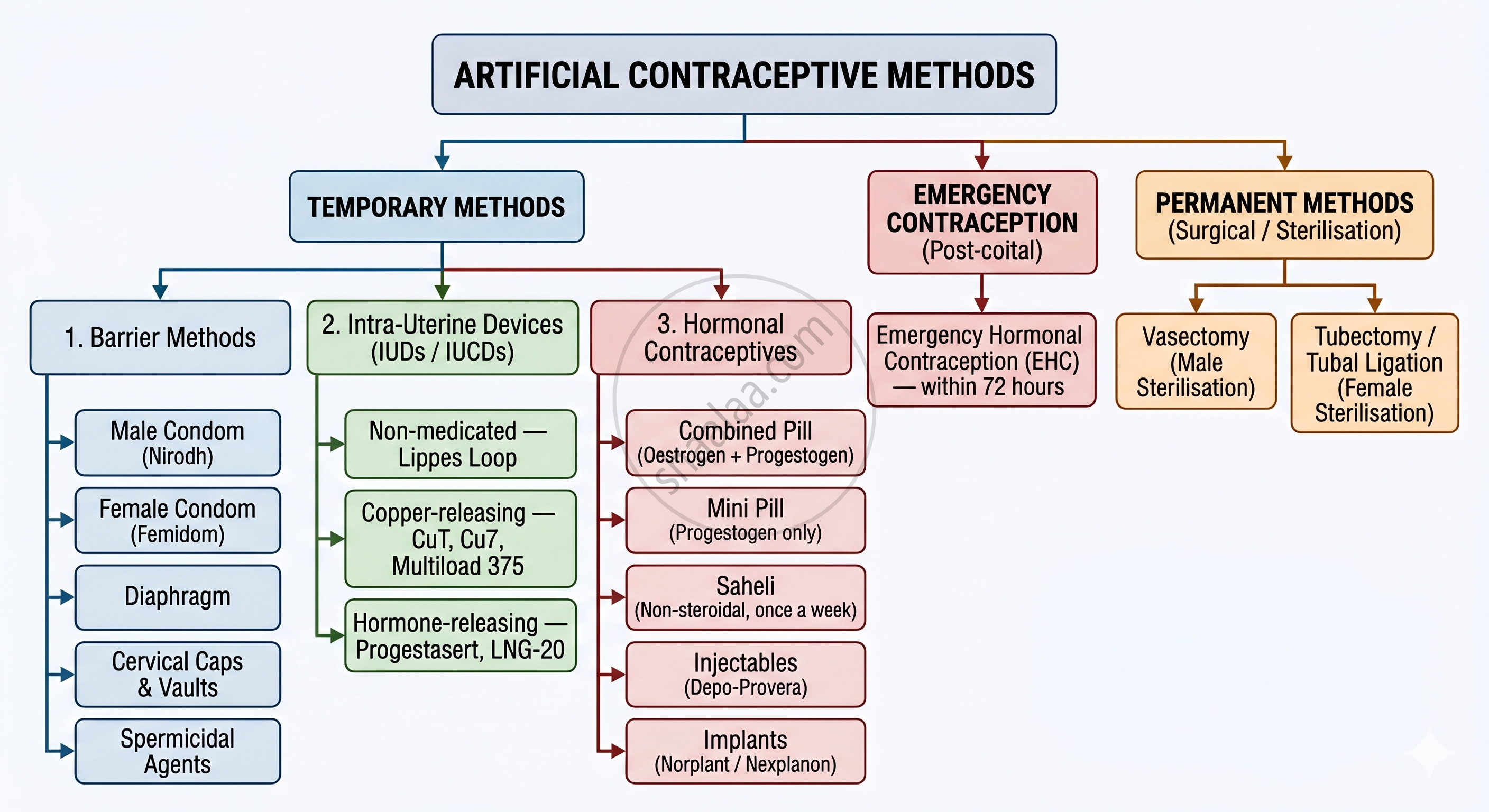
Natural methods of contraception (e.g., periodic abstinence, coitus interruptus) have been practised for centuries; however, they are considered unreliable. In modern times, they have been replaced by scientific artificial methods. These methods are broadly classified as Temporary and Permanent methods.
Key Concept: Contraception = preventing the meeting of sperm and ovum OR preventing implantation of the fertilised egg in the uterine wall.
Maharashtra State Board: Class 12
CISCE: Class 12
Classification of Artificial Contraceptive Methods
Maharashtra State Board: Class 12
CISCE: Class 12
Barrier Methods
Principle: Physically block sperms from entering the female reproductive tract.
Advantage: Inexpensive, simple, and causes almost no serious side effects.
(a) Male Condom (Nirodh):
- A thin sheath made of latex/rubber, rolled onto the erect penis before intercourse.
- Acts as a physical barrier - ejaculated semen does not enter the vagina.
- Additional benefit: The only contraceptive that also protects against STDs (HIV/AIDS, gonorrhoea).
- In India, the Government provides male condoms free of cost under the brand name 'Nirodh'.
- Condoms are disposable and must never be reused.
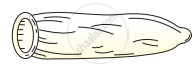
Condom for male
(b) Female Condom (Femidom):
- A thin, soft polyurethane pouch is fitted inside the vagina before intercourse.
- Has an inner ring (inserted deep into the vagina) and an outer ring (visible outside).
- Less likely to tear than a male condom.
- Can be self-inserted, providing user privacy.
- Also a barrier against STDs.
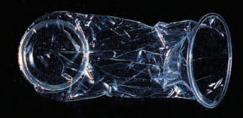
Condom for female
(c) Diaphragm
- A rubber cap inserted into the vagina to cover the cervix.
- Prevents sperm from entering the uterus.
- Must be fitted by a doctor or nurse for the first time to establish the correct size.
- Should be coated with a spermicide before insertion for added protection.
- Must remain in place for at least 6 hours after intercourse (to ensure all sperms are dead).
- Reusable.
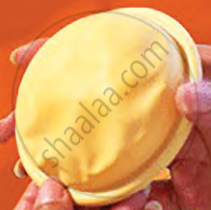
Diaphragm
(d) Cervical Caps and Vaults
- Rubber devices are inserted into the vagina to cover the cervix.
- Prevent sperm from entering the uterus during coitus.
- Reusable.
(e) Spermicidal Agents
- Available as creams, jellies, foams, and suppositories.
- Inserted high into the vagina just before intercourse.
- Chemically destroy or immobilise sperms.
- Less effective on their own and must be used with condoms or diaphragms.
Maharashtra State Board: Class 12
CISCE: Class 12
Intra-Uterine Devices (IUDs / IUCDs)
Principle: Devices are placed inside the uterus by a qualified medical professional. They prevent fertilisation or implantation of the fertilised egg.
Types of IUDs:
| Type | Examples | Mechanism of Action |
|---|---|---|
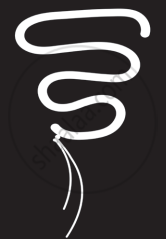
| Non-medicated IUDs | Lippes Loop | Attracts macrophages → increased phagocytosis of sperms in uterus |
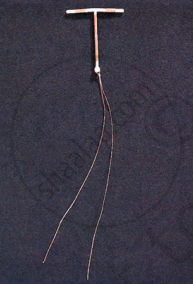
| Copper-releasing IUDs | CuT, Cu7, Multiload 375 | Cu²⁺ ions suppress sperm motility and fertilising capacity |
| Hormone-releasing IUDs | Progestasert, LNG-20 | Make uterine environment unsuitable for implantation; cervix hostile to sperms |
|
Lippes loop |
Copper - T |
Advantages:
- Ideal for females who want to delay or space pregnancies.
- One of the most widely accepted contraceptive methods in India.
- Long-lasting; reversible.
Limitations / Side Effects:
- Initial insertion may cause cramping and excessive menstrual bleeding.
- Increases the risk of Pelvic Inflammatory Disease (PID).
- Raises the chances of ectopic pregnancy.
- Does NOT protect against STDs.
- Spontaneous expulsion and occasional haemorrhage are possible drawbacks.
Maharashtra State Board: Class 12
CISCE: Class 12
Hormonal Contraceptives
Principle: Hormones (oestrogen, progestogen, or both) alter the body's normal reproductive cycle to prevent pregnancy.
(a) Combined Pill:
Contains oestrogen + progestogen.
Mechanism:
- Oestrogen → stops the ovaries from releasing eggs (inhibits ovulation).
- Progestogen → makes cervical mucus hostile to sperm; makes uterine lining unfavourable for implantation.
Taken orally daily for 21 days, then stopped for 7 days (during which menstruation occurs).
If forgotten for even a few hours, it is no longer fully reliable.
(b) Mini Pill (Progestogen-only Pill):
Contains progestogen only.
Does not suppress ovulation.
Works by:
- Preventing a fertilised egg from attaching to the uterine lining.
- Thickening cervical mucus to prevent sperm passage.
Taken every day continuously (no 7-day break).
(c) Saheli: India's Own Oral Contraceptive:
- Developed at Central Drug Research Institute (CDRI), Lucknow.
- A non-steroidal oral contraceptive for females.
- Taken once a week - highly convenient.
- Very few side effects and high contraceptive value.
- Now part of the National Family Welfare Programme in India.
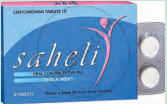
Always Remember: Saheli = Non-steroidal + Once a week + Made in India (CDRI, Lucknow) + Government-sponsored.
(d) Injectables:
- Progestogens or progestogen-oestrogen combinations are injected intramuscularly.
- Example: Depo-Provera - effective for approximately 3 months per injection.
- Mode of action is similar to that of pills.
- The effective period is much longer than that of oral pills.
(e) Implants (Subdermal Implants):
- Tiny matchstick-sized silicon rods are implanted under the skin of the upper arm.
- Contain progestogen (and sometimes oestrogen).
- Examples: Norplant, Nexplanon (Implanon).
- Effective for 3–4 years.
- Mode of action is similar to that of pills.
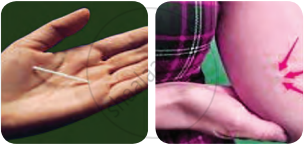
Implanon/ Nexplanon
Maharashtra State Board: Class 12
CISCE: Class 12
Sterilisation (Permanent Methods)
Surgical methods that permanently prevent pregnancy by blocking gamete transport. Also called sterilisation. Generally advised as a terminal method when a couple does not wish to have any more children.
Comparison: Vasectomy vs. Tubectomy
| Feature | Vasectomy (Male Sterilisation) | Tubectomy / Tubal Ligation (Female Sterilisation) |
|---|---|---|
| Structure operated on | Vas deferens | Fallopian tubes |
| Operation | A small part of vas deferens is tied and cut | A small part of fallopian tube is tied and cut |
| Incision site | Small incision on the scrotum | Small incision in the abdomen (near navel) or through vagina |
| Duration | Approximately 15–30 minutes | Slightly longer |
| Effect on sex life/orgasm | None - orgasm is normal; fluid produced contains no sperms | None |
| Side effects | Minimal | Some women experience slightly heavier/irregular periods |
| Reversibility | Very poor | Very poor |
|
Vasectomy |
Tubectomy |
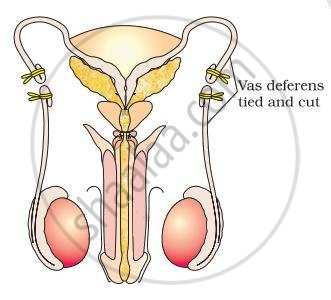
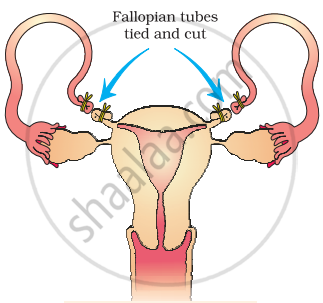
Important: These techniques are highly effective, but their reversibility is very poor. This must be considered a permanent decision.
Maharashtra State Board: Class 12
CISCE: Class 12
Medical Termination of Pregnancy (MTP)
Intentional or voluntary termination of pregnancy before full term is called Medical Termination of Pregnancy (MTP) or induced abortion.
Indications for MTP:
- Pregnancy resulting from contraceptive failure.
- Pregnancy likely to produce a congenitally malformed child.
- Continuation of pregnancy likely to harm the mother's life or health.
- Cases of rape or casual unprotected intercourse.
- MTP is safest during the first trimester (0–3 months).
Legal Framework - MTP Act, India:
| Period of Pregnancy | Requirement |
|---|---|
| Within 12 weeks (first trimester) | Opinion of 1 registered medical practitioner |
| 12 weeks to 24 weeks | Opinion of 2 registered medical practitioners |
Grounds for MTP (12–24 weeks):
- Continuation of pregnancy would involve a risk to the life of the pregnant woman, or
- There is a substantial risk that the child born would suffer from severe physical or mental abnormalities.
Safe Method: Vacuum aspiration is a safe and effective method for terminating first-trimester pregnancies.
Always Remember:
- MTP Act 1971 provided the original legal framework.
- MTP (Amendment) Act 2017 extended the upper limit to 24 weeks.
- Only the consent of the woman whose pregnancy is being terminated is required - no third party consent needed.
Maharashtra State Board: Class 12
CISCE: Class 12
Emergency Contraception (EHC)
Emergency hormonal contraception is used after unprotected intercourse to prevent pregnancy.
- Contains progestogen and levonorgestrel (two-tablet treatment).
- Also referred to as the "Morning-After Pill".
- Effective up to 72 hours after unprotected intercourse.
- Progestogens alone / progestogen-oestrogen combinations / IUDs administered within 72 hours of coitus are also effective as emergency contraceptives.
Note: Emergency contraception is a backup measure - it should never replace regular contraception.
Maharashtra State Board: Class 12
CISCE: Class 12
National Family Welfare Programme (NFWP)
Launched by the Government of India in 1951.
Objective: To reduce the birth rate to a level necessary to stabilise the population, in a way consistent with the national economy.
Implemented by state governments with 10% financial assistance from the central government.
In rural areas, services are provided through:
- Sub-centres
- Primary health centres
- Community health centres
Renamed as Reproductive and Child Health (RCH) Programme in 1997, with a broader focus on overall reproductive health.
Maharashtra State Board: Class 12
CISCE: Class 10, 12
Key Points: Artificial Contraceptive Methods
| Method | Type | Mode of Action | Examples |
|---|---|---|---|
| Barrier methods | Physical | Prevent entry of sperms into female tract | Male condom (Nirodh), Female condom (Femidom), Diaphragm, Cervical cap |
| Spermicides | Chemical | Kill sperms chemically in vagina | Creams, jellies, foams, suppositories |
| Intra-uterine devices (IUDs / IUCDs) | Mechanical / Chemical | Prevent implantation; reduce sperm motility | Lippes loop, CuT, Cu7, Multiload 375, LNG-20 |
| Hormonal methods | Hormonal | Inhibit ovulation; alter uterine lining | Combined pills, Mini pill, Saheli |
| Sterilization | Surgical | Permanently block gamete transport | Vasectomy (male), Tubectomy (female) |
| Medical termination of pregnancy (MTP) | Medical | Termination of early pregnancy | Vacuum aspiration (as per MTP Act) |
| Emergency contraception | Hormonal | Prevent pregnancy after unprotected sex | Levonorgestrel pills (within 72 hours) |
