Topics
Living World and Classification of Microbes
Health and Diseases
Force and Pressure
Current Electricity and Magnetism
Inside the Atom
Composition of Matter
- Matter (Substance)
- Characteristics of Particles (Molecules) of Matter
- States of Matter
- The Solid State
- The Liquid State
- The Gaseous State
- Elements
- Earth and Elements
- Non-Metals
- Type of Element: Metalloid
- Compound
- Types of Compound
- Mixture
- Types of Mixtures
- Introduction to Solutions
- Suspension Solution
- Colloidal Solution
- Molecular Formula of Compounds
- Periodic Trends in the Modern Periodic Table
Metals and Nonmetals
Pollution
- Pollution
- Air Pollution
- Prevention and Control of Air Pollution
- Water Pollution
- Effects of Water Pollution
- Prevention and Control of Water Pollution
- Soil Pollution
- Effects of Soil Pollution
- Prevention and Control of Soil Pollution
- Relationship of Soil Pollution with Air and Water Pollution
- Laws for Control, Regulation, and Prevention of Pollution by Indian Government
Disaster Management
Cell and Cell Organelles
- Cell: Structural and Functional Unit of Life
- Prokaryotic and Eukaryotic Cell
- Plant Cell Vs Animal Cell
- Cell Organelles
- Structure of the Cell > Cell Wall: “Supporter and Protector”
- Structure of the Cell > Plasma Membrane / Cell Membrane
- Structure of the Cell > Cytoplasm: “Area of Movement”
- Structure of the Cell > Nucleus: “Brain” of the Cell
- Endoplasmic Reticulum (ER)
- Golgi Apparatus - "The delivery system of the cell"
- Lysosome - “Suicidal Bag”
- Mitochondria - “Power House of the Cell”
- Plastids
- Non-living Substances Or Cell Inclusion
Human Body and Organ System
- Human Body
- Human Organ System
- Mechanism of Respiration > Breathing
- Human Respiratory System
- Blood Circulatory System
- Human Heart
- Blood Vessels
- Circulation of Blood in the Heart (Functioning of Heart)
- Heart Beat
- Blood
- Plasma (The Liquid Portion of Blood)
- Composition of Blood > Cellular Elements: Red Blood Cells (Erythrocytes)
- Composition of Blood > Cellular Elements: White Blood Cells (Leukocytes)
- Composition of Blood > Cellular Elements: Blood Platelets (Thrombocytes)
- Functions of Blood
- Blood Transfusion and Blood Groups (ABO and Rh system)
- Blood Pressure (B.P.)
- Heart Related Conditions
Introduction to Acid and Base
Chemical Change and Chemical Bond
Measurement and Effects of Heat
Sound
Reflection of Light
Man Made Materials
Ecosystems
Life Cycle of Stars
- Diminishment of Ecosystem
- Human Interference
Maharashtra State Board: Class 8
Diminishment of Ecosystem:
Many human activities have side effects on the functions of ecosystems and cause their diminishment.
- Mining and deforestation lead to habitat destruction and disrupt the balance between living and non-living components.
- Overfarming and urbanisation reduce biodiversity and degrade soil quality.
- Pollution from industries and waste contaminates air, water, and soil, harming plants and animals.
- Overfishing and hunting threaten species and disrupt food chains.
- Climate change caused by human activities alters ecosystems and forces species to adapt, migrate, or face extinction.
- The introduction of invasive species by humans harms native plants and animals.
- Construction and infrastructure development fragment habitats, reducing space for wildlife.
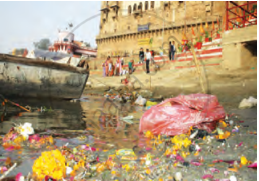
Diminishment of Ecosystem
Maharashtra State Board: Class 8
Human Interference:
- Resource Overuse: Rapid population growth and changing lifestyles deplete natural resources, creating waste and putting pressure on ecosystems.
- Urbanisation: The expansion of cities destroys agricultural lands, wetlands, and forests, leading to the loss or transformation of ecosystems.
- Industrialisation and Traffic: Forests are cut down for raw materials, and infrastructure like roads disrupts habitats and wildlife.
- Tourism: Facilities for tourists damage ecosystems, especially in scenic and sacred areas, due to increased human activity.
- Large Dams: Dams convert land ecosystems into aquatic ones and disrupt water flow, harming downstream ecosystems.
- Wars: Bombing and land exploitation during wars destroy ecosystems and alter natural landscapes permanently.
