Topics
Living World and Classification of Microbes
Health and Diseases
Force and Pressure
- Introduction to Effects of Force
- Types of Forces>Contact and Non-Contact Forces
- Balanced and Unbalanced Forces
- Inertia and Mass
- Types of Inertia
- Thrust and Pressure
- Pressure on Solids
- Pressure of liquid
- Gas Pressure
- Atmospheric Pressure
- Buoyancy Force (Upthrust Force)
- Archimedes Principle
- Density of substance and Relative density
Current Electricity and Magnetism
Inside the Atom
Composition of Matter
- Matter (Substance)
- Characteristics of Particles (Molecules) of Matter
- States of Matter
- The Solid State
- The Liquid State
- The Gaseous State
- Elements
- Earth and Elements
- Non-Metals
- Type of Element: Metalloid
- Compound
- Types of Compound
- Mixture
- Types of Mixtures
- Introduction to Solutions
- Suspension Solution
- Colloidal Solution
- Molecular Formula of Compounds
- Periodic Trends in the Modern Periodic Table
Metals and Nonmetals
Pollution
- Pollution
- Air Pollution
- Prevention and Control of Air Pollution
- Water Pollution
- Effects of Water Pollution
- Prevention and Control of Water Pollution
- Soil Pollution
- Effects of Soil Pollution
- Prevention and Control of Soil Pollution
- Relationship of Soil Pollution with Air and Water Pollution
- Laws for Control, Regulation, and Prevention of Pollution by Indian Government
Disaster Management
Cell and Cell Organelles
- Cell: Structural and Functional Unit of Life
- Prokaryotic and Eukaryotic Cell
- Plant Cell Vs Animal Cell
- Cell Organelles
- Structure of the Cell > Cell Wall: “Supporter and Protector”
- Structure of the Cell > Plasma Membrane / Cell Membrane
- Structure of the Cell > Cytoplasm: “Area of Movement”
- Structure of the Cell > Nucleus: “Brain” of the Cell
- Endoplasmic Reticulum (ER)
- Golgi Apparatus - "The delivery system of the cell"
- Lysosome - “Suicidal Bag”
- Mitochondria - “Power House of the Cell”
- Plastids
- Non-living Substances Or Cell Inclusion
Human Body and Organ System
- Human Body
- Human Organ System
- Mechanism of Respiration > Breathing
- Human Respiratory System
- Blood Circulatory System
- Human Heart
- Blood Vessels
- Circulation of Blood in the Heart (Functioning of Heart)
- Heart Beat
- Blood
- Plasma (The Liquid Portion of Blood)
- Composition of Blood > Cellular Elements: Red Blood Cells (Erythrocytes)
- Composition of Blood > Cellular Elements: White Blood Cells (Leukocytes)
- Composition of Blood > Cellular Elements: Blood Platelets (Thrombocytes)
- Functions of Blood
- Blood Transfusion and Blood Groups (ABO and Rh system)
- Blood Pressure (B.P.)
- Heart Related Conditions
Introduction to Acid and Base
Chemical Change and Chemical Bond
Measurement and Effects of Heat
Sound
Reflection of Light
Man Made Materials
Ecosystems
Life Cycle of Stars
- Introduction of Land Biomes
- Grassland Ecosystem
- Evergreen Forest Ecosystem
Introduction of Land Biomes:
Land biomes are ecosystems found exclusively on land. They are influenced by factors such as temperature, precipitation, soil type, and altitude. Different types of land biomes exist due to the uneven distribution of these abiotic factors. Examples include grasslands, evergreen forests, deserts, tundras, taigas, and tropical rainforests. Each biome hosts unique plant and animal life, contributing to Earth's biodiversity and ecological balance.
Grassland Ecosystem:
Grasslands are biomes characterised by vast expanses of grass and limited tree cover. These ecosystems are usually found in regions where rainfall is moderate but insufficient to support dense forests.
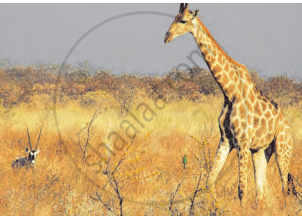
Grassland
| 1. Climate |
|
| 2. Vegetation |
|
| 3. Soil |
|
Animal Life:
| 1. Herbivores | Animals like zebras, giraffes, elephants, deer, antelope, and kangaroos graze on grasses. |
| 2. Carnivores | Predators like lions, cheetahs, and tigers hunt herbivores, maintaining ecological balance. |
| 3. Omnivores and Small Mammals | Includes species like jackals, prairie dogs, and armadillos. |
| 4. Birds | Bustards, quails, ostriches, and other ground-nesting birds thrive in grasslands. |
| 5. Insects | Grasshoppers, beetles, and butterflies contribute to pollination and decomposition. |
| 6. Microorganisms | Fungi and bacteria break down organic matter, enriching the soil. |
Types of Grassland:
1. Tropical Grasslands (Savannas): Found in Africa, South America, and India. It is known for tall grasses that can grow several feet high.
- Experience seasonal rainfall, typically alternating between a wet and dry season.
- Scattered trees and shrubs are present, often near water sources.
- Warm temperatures prevail throughout the year.
- Home to diverse wildlife, including elephants, zebras, giraffes, lions, and cheetahs.
2. Temperate Grasslands: Found in North America (prairies), Europe (steppes), and South America (pampas). It is characterised by shorter grasses compared to tropical grasslands.
- Experience colder winters and warmer summers.
- Receive moderate rainfall, usually less than tropical grasslands.
- Fewer trees or shrubs due to harsher conditions.
- Support species like bison, prairie dogs, foxes, and hawks.
Evergreen Forest Ecosystem:
Evergreen forests are dense biomes where trees retain their leaves throughout the year, ensuring constant greenery. These ecosystems are common in tropical and subtropical regions as well as in temperate zones.
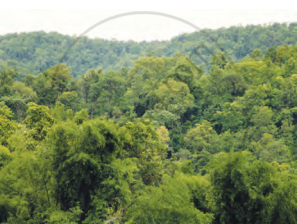
Forest ecosystem
| 1. Climate |
|
| 2. Vegetation |
|
| 3. Soil |
|
Animal Life:
| 1. Mammals | Tigers, leopards, monkeys, sloths, elephants, and deer find shelter in these forests. |
| 2. Birds | Parrots, hornbills, woodpeckers, and other species nest in tree canopies. |
| 3. Reptiles | Include snakes, lizards, and turtles, adapted to both the forest floor and trees. |
| 4. Insects | Termites, ants, and beetles thrive, aiding in decomposition and pollination. |
| 5. Amphibians | Frogs and toads rely on the moisture-rich environment. |
| 6. Microorganisms | Break down fallen leaves and contribute to nutrient recycling. |
Types of Evergreen Forests:
1. Tropical Evergreen Forests: Found in the Amazon Basin, Southeast Asia, and parts of Africa. Located in warm, humid climates with high and consistent rainfall.
- It is known for immense biodiversity, hosting a wide variety of plants, animals, and microorganisms.
- Towering trees such as mahogany, ebony, and rosewood form a dense canopy that blocks sunlight.
- Understory vegetation includes ferns, mosses, and climbers.
- Home to species like jaguars, parrots, snakes, and frogs.
2. Temperate Evergreen Forests: Found in regions like the Pacific Northwest (USA), New Zealand, and parts of Europe. It involves mainly coniferous trees like pines, spruces, and firs, which are adapted to colder climates.
- Located in regions with moderate rainfall and cooler temperatures compared to tropical regions.
- Trees retain their leaves or needles year-round, maintaining constant greenery.
- Wildlife includes bears, wolves, deer, and various bird species like owls and woodpeckers.
