Topics
Introduction to ICT
Creating Textual Communication
- Purpose of Creating Textual Documents
- Word Processor Basics
- Keyboard Functions
- Creating and Formatting a Document
- Saving and Opening Documents
- Text Formatting
- Error Detection Tools
- Cut, Copy and Paste
- Bullets and Numbering
- Tables in LibreOffice
- Inserting Images in LibreOffice
- Headers and Footers
- Print Preview and Printing
- Protecting Documents
Creating Visual Communication
Creating Audio-Video Communication
Presenting Ideas
Getting Connected: Internet
Safety and Security in the Cyber World
Fun with Logic
Cyberbullying and How to Respond
1) Introduction to Cyberbullying
- Cyberbullying refers to the act of harassing, threatening, or humiliating someone online using digital platforms such as social media, messaging apps, or emails.
- It includes actions that cause emotional harm or damage someone's reputation in the cyber world, which has a much broader reach than the real world.
2) Examples of Cyberbullying
- Posting nasty or insulting comments about someone.
- Creating fake profiles to defame or impersonate someone.
- Sending abusive or threatening messages online or via mobile.
- Excluding someone from online groups, forums, or chats.
- Uploading embarrassing photos without the person's permission.
- Spreading rumours or false information about someone.
- Stealing account credentials and misusing them to send inappropriate content.
- Engaging in offensive or abusive chats.
- Making fake profiles specifically to harass or damage someone’s image.
3) What is identity theft ?
- Identity theft is the deliberate use of another person’s personal information (such as name, photo, or login details) to Gain credit or benefits, Commit fraud and Damage someone's reputation.
- It is one of the most common cybercrimes and can lead to serious consequences, especially in the online world where information spreads quickly.
4) Cyber Law and Consequences
Cyberbullying is not just harmful; it is a punishable offence under cyber law. Offenders may face legal consequences for their actions.
5) What to Do If You Face Cyberbullying
• Do not respond : If someone is cyberbullying you, do not respond or retaliate by doing the same thing back. Responding or retaliating to cyberbullying may make matters worse or even get you into trouble.
• Screenshot : Take a screenshot of anything that you think could be cyberbullying and keep a record of it.
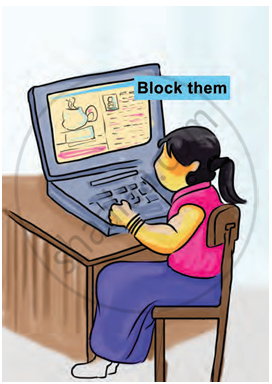
• Block and Report : Most online platforms have this feature. If someone bothers you, make sure you block and report the offender to the social media platform.
• Talk About It : Cyberbullying may affect you in many different ways. Don’t feel that you are alone. Let your parents and teachers know what is going on. Never keep it to yourself.

• Be Private : Keep your social media privacy settings high and do not connect with anybody whom you do not know offline. You would not talk to random people on the street, so why do it online?
• Be Aware : Remain updated with all the preventive and security measures in the cyber world.
