Advertisements
Advertisements
प्रश्न
Have you played chess or watched the game carefully?
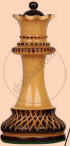
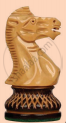
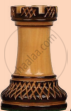
Now identify the chess pieces and complete the table below. Discuss the role of each piece in the game.
 |
|
 |
|
 |
|
 |
|
 |
|
 |
Advertisements
उत्तर
|
King |
|
Queen |
|
Bishop |
|
Horse |
|
Rook |
|
Soldier |
APPEARS IN
संबंधित प्रश्न
How long had the soldiers been in the castle?
Why didn’t the narrator want to tell the tale to anybody?
Read the given line and answer the question that follow in a line or two.
All through the summer at ease we lay,
And daily from the turret wall
We watched the mowers in the hay
- Who does ‘we’ refer to?
- How did the soldiers spend the summer days?
- What could they watch from the turret wall?
Read the given line and answer the question that follow in a line or two.
We could do nothing, being sold.
- Why couldn’t they do anything?
- Why did they feel helpless?
How can this shameful tale be told?
Our only enemy was gold
Read the poem and complete the table with suitable rhyming words.
All through that summer at ease we lay,
And daily from the turret wall
We watched the mowers in the hay
And the enemy half a mile away
They seemed no threat to us at all.
For what, we thought, had we to fear
With our arms and provender, load on load,
Our towering battlements, tier on tier,
And friendly allies drawing near
On every leafy summer road.
Our gates were strong, our walls were thick,
So smooth and high, no man could win
A foothold there, no clever trick
Could take us dead or quick,
Only a bird could have got in.
What could they offer us for bait?
Our captain was brave and we were true…
There was a little private gate,
A little wicked wicket gate.
The wizened warder let them through.
Oh then our maze of tunneled stone
Grew thin and treacherous as air.
The cause was lost without a groan,
The famous citadel overthrown,
And all its secret galleries bare.
How can this shameful tale be told?
I will maintain until my death
We could do nothing, being sold:
Our only enemy was gold,
And we had no arms to fight it with.
| lay | hay |
Underline the alliterated word in the following line.
A little wicked wicket gate.
Underline the alliterated word in the following line.
The wizened warder let them through.
What has Wordsworth sanctified in his poem?
The casuarina tree will be remembered forever. Why?
Identify the figure of speech used in each of the extract given below and write down the answer in the space given below.
“ A creeper climbs, in whose embraces bound
No other tree could live. But gallantly
The giant wears the scarf, and flowers are hung......”
Describe the reminiscences of the poet, when she sees the casuarina tree.
How does a man play a lover’s role?
‘As tho’ to breathe were life!’ – From the given line what do you understand of Ulysses’ attitude to life?
What could be the possible outcomes of their travel?
Identify the figure of speech employed in the following line.
Thro’ scudding drifts the rainy Hyades Vext the dim sea...
Identify the figure of speech employed in the following line.
And drunk delight of battle with my peers;
Explain with reference to the context the following line.
I am become a name; For always roaming with a hungry heart
Explain with reference to the context the following line.
We are not now that strength which in old days Moved earth and heaven;
What are the poet’s thoughts on ‘being different’?
Here are a few poetic device used in the poem.
Repetition- It is a figure of speech.
Read the line given below and answer the question that follow.
“Life is a soft loam; be gentle; go easy.” And this too might serve him.
- Why does the poet suggest to take life easy?
- Identify the figure of speech in the above line.
Explain the following line with reference to the context.
He will be lonely enough
to have time for the work
Who do you think is the narrator of the poem?
Why was the rider in a hurry?
Where did the rider plant the French flag after Ratisbon was captured?
How did the young soldier face his end?
Napoleon was a great source of inspiration to his army. Justify.
