Advertisements
Advertisements
प्रश्न
Why does the poet think that the birds were happy?
Advertisements
उत्तर
The poet thinks that the birds were happy because they hopped and played around him. Their least motion displayed their most joy.
APPEARS IN
संबंधित प्रश्न
What does the poet mean when he says ‘good bye’?
Are the athletes conscious of the feelings of others? Why do you say so?
Read the given lines and answer the questions that follow in a sentence or two.
Well, ego it might be pleased enough But zealous athletes play so rough…
- What pleases the ego?
- Why are athletes often rough during play?
Read the given line and answer the question that follow in a sentence or two
When snaps the knee and cracks the wrist….
Identify and explain the use of the literary device in this line.
Everybody is special and everybody is a hero. Each one has a story to tell. In the light of this observation, present your views.
What sort of encouragement should an athlete in India be given? Give a few suggestions.
Read the following line and identify the figure of speech used in each extract.
And ‘tis my faith that every flower
Enjoys the air it breathes.
The poet finds joy in various objects of Nature. Explain.
The poem is set in a ______.
What scene in nature gives you pleasure? Talk for a minute describing a natural scene that gave you a lot of joy. What did you see, hear, smell or feel, that gave you joy?
When humanity fails to live in harmony with Nature, its effects are felt around the world. Why and how?
Where can you encounter Macavity?
Read the given lines and answer the question that follow.
‘It must have been Macavity!’ but he’s a mile away.
- What is Macavity blamed for?
- Where is he?
Read the given lines and answer the question that follow.
There never was a Cat of such deceitfulness and suavity.
- Which cat is being talked of here?
- How is he different from the rest?
Identify the literary devices used in the following lines:
- He sways his head from side to side, with movements like a snake.
- They say he cheats at cards.
Pick out all the pairs of rhyming words used in the poem.
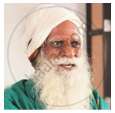
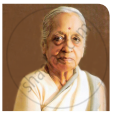
Identify the following personalities and their fields of achievement.
| Name | Field | |
 |
||
 |
||
 |
||
 |
||
 |
||
 |
||
 |
||
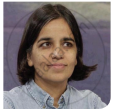 |
- Mention a remarkable achievement of any of these personalities.
- What quality do you admire the most in each of these achievers?
- What are the qualities that you may share with them?
- Name a few more popular personalities who have made our nation proud.
- ______.
- ______.
- ______.
- ______.
Which path should we follow in life?
Read the given line and answer the question that follow.
Defeat we repel, courage our fort;
- How do we react to defeat?
- Which is considered as our stronghold?
Read the given line and answer the question that follow.
We are proud of the position we hold; humble as we are
- What is the speaker proud of?
- How is the speaker both humble and proud?
- Pick out the alliteration in these lines.
Read the given line and answer the question that follow.
He, who does not stoop, is a king we adore. We bow before competence and merit;
- Who is adored as a king?
- What is the figure of speech used in the first line?
In what way is every hillock similar to Everest?
The poem does not focus on the destination but the journey towards it. Discuss
Discuss the following topic in groups of five and choose a representative to sum up the view and share them with the class.
‘Success is not final, failure is not fatal.’ It is the courage and perseverance that counts.
What does the executor mentioned in the poem do?
What does the crown of rulers stand for?
How does the king establish that he and his subjects are equal in the end?
Read the poem once again carefully and identify the figure of speech that has been used in each of the following line from the poem:
“And yet not so – for what can we bequeath
Save our deposed bodies to the ground?”
Based on your reading of King Richard’s speech, answer the following questions in about 100 - 150 words each. You may add your own ideas if required to present and justify your point of view.
Who does the future generations remember easily - the victor or the vanquished? Give reasons. Also, cite relevant references from King Richard’s speech.
