Advertisements
Advertisements
प्रश्न
Read the poem once again carefully and identify the figure of speech that has been used in each of the following line from the poem:
“And yet not so – for what can we bequeath
Save our deposed bodies to the ground?”
Advertisements
उत्तर
Metaphor
APPEARS IN
संबंधित प्रश्न
How is the poet’s laugh reflected in the mirror?
Mention the qualities the child in the poem symbolises.
Interpret each of the following expression used in the poem, in one or two line.
like a fixed portrait smile
Interpret each of the following expression used in the poem, in one or two line.
to unlearn all these muting things
The poet is satisfied just watching the heroic deeds of others. What could be the reason?
Are the athletes conscious of the feelings of others? Why do you say so?
Why would the referee ask whether there was a doctor in the stands? What stands is he referring to?
Why does the poet prefer to buy tickets worth their weight in radium? Bring out the significance of the metal referred to here.
Read the given lines and answer the questions that follow in a sentence or two.
Well, ego it might be pleased enough But zealous athletes play so rough…
- What pleases the ego?
- Why are athletes often rough during play?
Explain the following with reference to the context in about 50–60 word each.
Athletes, I’ll drink to you, Or eat with you, Or anything except compete with you…
You are the School Pupil Leader. Mention some qualities that can be drawn from the field of sports to improve your leadership skills.
If you go to a village, what scenes would you observe?
When humanity fails to live in harmony with Nature, its effects are felt around the world. Why and how?
Write a letter to the Councillor of your Ward, explaining why a park is necessary in your locality.
Why does the poet say Macavity is ‘outwardly’ respectable?
Who does the Secret Service suspect when a loss is reported?
What is Macavity expected to be doing after committing a crime?
Describe the appearance and qualities of Macavity.
Read the given lines and answer the question that follow.
He’s the bafflement of Scotland
Yard, the Flying Squad’s despair:
For when they reach the scene of crime
— Macavity’s not there!..
- What is ‘Scotland Yard’?
- Why does the flying squad feel disappointed?
Explain the following line with reference to the context.
And when you think he’s half asleep, he’s always wide awake
Explain the following line with reference to the context.
And his footprints are not found in any file of Scotland Yard’s
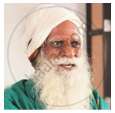
Identify the following personalities and their fields of achievement.
| Name | Field | |
 |
||
 |
||
 |
||
 |
||
 |
||
 |
||
 |
||
 |
- Mention a remarkable achievement of any of these personalities.
- What quality do you admire the most in each of these achievers?
- What are the qualities that you may share with them?
- Name a few more popular personalities who have made our nation proud.
- ______.
- ______.
- ______.
- ______.
Which line is repeated in the poem? What is the effect created by this repetition?
Which path should we follow in life?
What does ‘Everest’ in the title stand for?
Fill in the blank with appropriate word from the box and complete the statement suitably:
The spectators died laughing at the ______of the clown.
What do the three words, ‘graves, worms and epitaphs’, refer to?
Bring out King Richard’s feelings when he was defeated.
Pick out the alliteration from the following lines:
“And tell sad stories of the death of kings:”
Based on your reading of King Richard’s speech, answer the following questions in about 100 - 150 words each. You may add your own ideas if required to present and justify your point of view.
What are the causes for King Richard’s grief?
