Topics
Variations in Psychological Attributes
- Individual Differences in Human Functioning
- Assessment of Psychological Attributes
- Concept of Intelligence
- Theories of Intelligence
- Binet's One-Factor Theory
- Charles Spearman's Two Factor Theory
- Louis Thurstone’s Multifactor Theory
- Jensen's Hierarchical Theory of Intelligence
- Guilford's Structural Model Theory
- Howard Gardner's Multiple Intelligence Theory
- Sternberg’s Triarchic Theory
- PASS Model of Intelligence
- Individual Differences in Intelligence
- Assessment of Intelligence
- Mental Age
- Intelligence Quotient
- Variations of Intelligence
- Types of Intelligence Tests
- Individual Test
- Group Test
- Verbal Test
- Non-Verbal Test
- Performance Test
- Culture Bias and Culture Fair Tests
- Misuses of Intelligence Tests
- Intelligence Testing in India
- Culture and Intelligence
- New Trends in Intelligence> Emotional Intelligence
- Special Abilities
- Creativity
- Creativity and Intelligence
Self and Personality
- Self and Personality
- Concept of Self
- Cognitive and Behavioural Aspects of Self
- Concept of Personality
- Culture and Self
- Characteristics of Personality
- Personality Related Terms
- Descriptive Personality Theories
- Type Theories
- Trait Theories
- Trait Theory> Trait Theory of G. Allport
- Trait Theory> Cattell’s Concept of Personality
- Type Theory> Eysenck Concept of Personality
- Psychodynamic Approach
- Freud's Psychoanalytic Theory of Personality> Stages of Personality Development
- Neo-Freudian Theory of Personality
- Carl Jung’s Theory of Personality
- Karen Horney (1950)
- Psychodynamic Therapies> Alfred Adler's Psychodynamic Therapy
- Erich Fromm's Theory
- Erik Erikson's Theory of Psycho-Social Development
- Behavioural Approach
- Cultural Approach
- Humanistic Approach
- Measurement of Personality
- Self Report Inventories
- Projective Techniques
- Behavioural Analysis
Meeting Life Challenges
Psychological Disorders
- Concept of Psychological Disorders
- Concept of Abnormal Behaviour
- Classification of Psychological Disorders
- Factors Underlying Abnormal Behaviour
- Major Psychological Disorder> Anxiety Disorders
- Major Psychological Disorder> Obsessive Compulsive Disorder (OCD)
- Major Psychological Disorder> Trauma and Stress Related Disorders
- Major Psychological Disorder> Somatic Symptom and Related Disorders
- Major Psychological Disorder> Dissociative Disorders
- Depressive Disorders
- Major Psychological Disorder> Bipolar Disorder
- Major Psychological Disorder> Schizophrenia
- Major Psychological Disorder> Neurodevelopmental Disorders
- Major Psychological Disorder> Disruptive, Impulse-Control and Conduct Disorders
- Major Psychological Disorder> Eating Disorders
- Major Psychological Disorder> Substance-Related and Addictive Disorders
Therapeutic Approaches
- Therapeutic Approaches in Psychology
- Concept of Psychotherapy
- Forms of Psychotherapy
- Behaviour Therapies
- Cognitive Therapy
- Humanistic-existential Therapy
- Humanistic-existential Therapy> Client Centred Therapy
- Healing Factors in Psychotherapy
- Ethics in Psychotherapy
- Alternative Therapies
- Rehabilitation of the Mentally Ill
Attitude and Social Cognition
Social Influence and Group Processes
Psychology and Life
- Introduction to Psychology and Life
- Human-environment Relationship
- Environmental Effects on Human Behaviour
- Promoting Pro-environmental Behaviour
- Psychology and Social Concerns
Developing Psychological Skills
- Introduction to Developing Psychological Skills
- Developing as an Effective Psychologist
- General Skills
- Observational Skills
- Specific Skills
- Interviewing Skills
- Counselling Skills
Estimated time: 18 minutes
- Introduction
- Rogers’ Self-Concept Theory
- Maslow’s Hierarchy of Needs
- Characteristics of Psychologically Healthy People
- Real-Life Application
- Key Points: Humanistic Approach
CISCE: Class 12
Introduction
Humanistic psychology emerged in the mid-20th century as an optimistic “third force” in contrast to behaviorism and psychoanalysis. It emphasizes:
- Intrinsic goodness of individuals.
- Present-moment focus on experience.
- Personal responsibility and free will.
- Holistic understanding of mind, body, and environment.
In practice, this approach guides students to concentrate on their current strengths and coping strategies rather than past failures.
CISCE: Class 12
Rogers’ Self-Concept Theory
Components of Self-Concept
- Real Self: Current traits and abilities
- Ideal Self: Aspirations and goals
- Self-Worth: Confidence and self-esteem
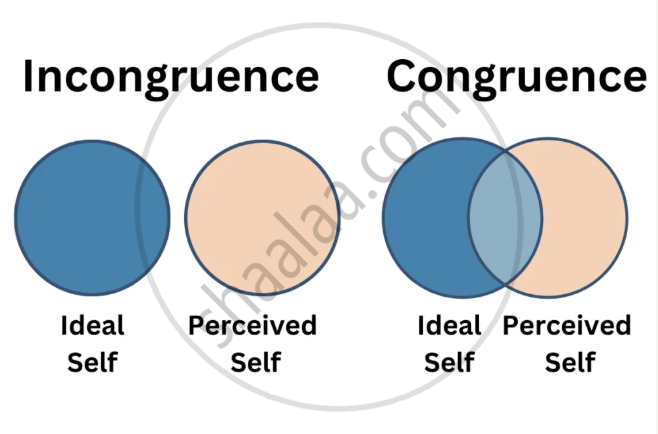
Congruence vs. Incongruence
- Congruence: Alignment of real and ideal self; leads to authenticity, confidence, and personal growth.
- Incongruence: Discrepancy causes anxiety, low self-esteem, and defensive behavior.
CISCE: Class 12
Maslow’s Hierarchy of Needs
The Five Levels
- Physiological Needs: Food, water, sleep, shelter.
- Safety Needs: Security, stability, health.
- Love & Belonging: Friendships, family, community.
- Esteem Needs: Achievement, respect, confidence.
- Self-Actualization: Personal growth, creativity, fulfillment.
CISCE: Class 12
Characteristics of Psychologically Healthy People
- Self-Awareness: Clear understanding of one’s emotions and limitations
- Authenticity: Consistency between inner values and outward behavior
- Present Orientation: Engagement with current experiences
- Personal Responsibility: Ownership of choices and consequences
- Growth Orientation: Openness to challenges and continuous self-improvement
- Example: A student maintains self-awareness by reflecting on study habits weekly and adjusting strategies to enhance learning.
CISCE: Class 12
Real-Life Application
- Academic Success: Focus on self-improvement, not just grades.
- Relationships: Practice empathy and unconditional positive regard.
- Career Planning: Align goals with personal values and strengths.
- Stress Management: Use present-moment focus and self-compassion.
CBSE: Class 12
CISCE: Class 12
CISCE: Class 12
Key Points: Humanistic Approach
- Emphasizes free will, personal growth, and present experiences.
- Self-concept includes real self, ideal self, and self-worth.
- Congruence (match between real and ideal self) leads to confidence; incongruence causes anxiety.
- Maslow’s hierarchy: physiological, safety, love/belonging, esteem, self-actualization.
- A healthy person is self-aware, authentic, responsible, and open to growth.
