Advertisements
Advertisements
प्रश्न
Our gates were strong, our walls were thick,
Advertisements
उत्तर
- Reference: This line is from Edwin Muir’s poem “The Castle”.
- Context and Explanation: The poet says these words while flaunting the invincibility of their strong castle. They could watch the movement of enemies from the turret wall and shoot down the enemy at a distance of half a kilometer. They had a stockpile of arms. Their granary was full to sustain the people in the event of a siege. Only a bird could have got into the castle. So, the enemies did not seem to be a threat at all to the soldiers.
APPEARS IN
संबंधित प्रश्न
What thoughts come to your mind when you think about a castle? Add your ideas to the list
moat, huge buildings, soldiers, weapons ______,______.
Read the given line and answer the question that follow in a line or two.
All through the summer at ease we lay,
And daily from the turret wall
We watched the mowers in the hay
- Who does ‘we’ refer to?
- How did the soldiers spend the summer days?
- What could they watch from the turret wall?
Our only enemy was gold
Underline the alliterated word in the following line.
The wizened warder let them through.
Identify the figure of speech used in the following line.
How can this shameful tale be told?
How does the creeper appear on the tree?
To whom does Toru Dutt want to consecrate the tree’s memory?
Identify the figure of speech used in each of the extract given below and write down the answer in the space given below.
“A gray baboon sits statue-like alone’’
Identify the figure of speech used in each of the extract given below and write down the answer in the space given below.
“The water-lilies spring, like snow enmassed.”
Identify the figure of speech used in each of the extract given below and write down the answer in the space given below.
“ What is that dirge-like murmur that I hear Like the sea breaking on a shingle -beach?
What is the world compared to?
Complete the table based on your understanding of the poem.
| Stage | Characteristic |
| crying | |
| judge | |
| soldier | |
| unhappy | |
| second childhood | |
| whining | |
| old man |
‘As tho’ to breathe were life!’ – From the given line what do you understand of Ulysses’ attitude to life?
Why did Ulysses want to hand over the kingdom to his son?
Identify the figure of speech employed in the following line.
Thro’ scudding drifts the rainy Hyades Vext the dim sea...
Read the set of line from the poem and answer the question that follow.
One equal temper of heroic hearts,
Made weak by time and fate, but strong in will
To strive, to seek, to find, and not to yield.
- Though made weak by time and fate, the hearts are heroic. Explain.
- Pick out the words in alliteration in the above lines.
Explain with reference to the context the following line.
He works his work, I mine.
Explain with reference to the context the following line.
To strive, to seek, to find, and not to yield.
What happened to the people who wanted too much money?
Here are a few poetic device used in the poem.
Repetition- It is a figure of speech.
Read the line given below and answer the question that follow.
“Life is a soft loam; be gentle; go easy.” And this too might serve him.
- Why does the poet suggest to take life easy?
- Identify the figure of speech in the above line.
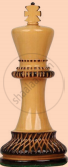
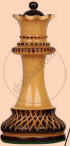
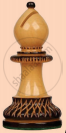
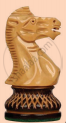
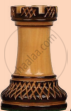
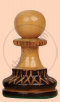
Have you played chess or watched the game carefully?
Now identify the chess pieces and complete the table below. Discuss the role of each piece in the game.
 |
|
 |
|
 |
|
 |
|
 |
|
 |
Why did Napoleon’s eyes become soft as a mother eagle’s eyes?
How did the young soldier face his end?
Read the line given below and answer the question that follow.
Legs wide, arms locked behind As if to balance the prone brow Oppressive with its mind.
- Whose action is described here?
- What is meant by prone brow?
- What is his state of mind?
Explain the following line with reference to the context.
Then off there flung in smiling joy, And held himself erect
Explain the following line with reference to the context.
To see your flag-bird flap his vans Where I, to heart’s desire, Perched him!’
