Advertisements
Advertisements
प्रश्न
Read the set of line from the poem and answer the question that follow.
Little remains: but every hour is saved
From that eternal silence, something more,
A bringer of new things; and vile it were
- How is every hour important to Ulysses?
- What does the term ‘Little remains’ convey?
Advertisements
उत्तर
- One lives in this world for a limited time. Every hour can provide new knowledge. So, every hour is very important.
- Ulysses realizes that he has become old. He has not much time left. He doesn’t want to die resting in his kingdom. He states that his remaining lifetime is very limited.
APPEARS IN
संबंधित प्रश्न
Fill in the following empty boxes.
| Name | Location |
| Fort St. George | Chennai |
| Gingee Fort | ______ |
| Golconda Fort | ______ |
| Red Fort | ______ |
Why didn’t the narrator want to tell the tale to anybody?
How safe was the castle? How was it conquered?
Bring out the contrasting picture of the castle as depicted in stanzas 3 and 5.
Our captain was brave and we were true
How can this shameful tale be told?
Underline the alliterated word in the following line.
A little wicked wicket gate.
Identify the figure of speech used in the following line.
Grew thin and treacherous as air.
Name the bird that sings in the poet’s garden.
Identify the figure of speech used in each of the extract given below and write down the answer in the space given below.
“The water-lilies spring, like snow enmassed.”
Identify the figure of speech used in each of the extract given below and write down the answer in the space given below.
“ What is that dirge-like murmur that I hear Like the sea breaking on a shingle -beach?
What is the world compared to?
Explain the following line briefly with reference to the context.
“They have their exits and their entrances;
And one man in his time plays many parts,”
Pick out the word in ‘alliteration’ in the following line.
“and all the men and women merely players”
Describe the various stages of a man’s life picturised in the poem “All the World’s a stage."
What does he think of the people of his kingdom?
What does Ulysses yearn for?
Why did Ulysses want to hand over the kingdom to his son?
How would Telemachus transform the subjects?
Identify the figure of speech employed in the following line.
For always roaming with a hungry heart
Read the set of line from the poem and answer the question that follow.
This is my son, mine own Telemachus,
To whom I leave the sceptre and the isle Well-loved of me,
- Who does Ulysses entrust his kingdom to, in his absence?
- Bring out the significance of the ‘sceptre’.
Read the set of line from the poem and answer the question that follow.
That ever with a frolic welcome took
The thunder and the sunshine, and opposed
- What do ‘thunder’ and ‘sunshine’ refer to?
- What do we infer about the attitude of the sailors?
Explain with reference to the context the following line.
We are not now that strength which in old days Moved earth and heaven;
List the roles and responsibilities Ulysses assigns to his son Telemachus, while he is away.
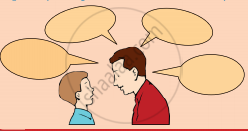
Every parent is anxious about the welfare of his/her children. Parents express their anxiety by advising them almost all the time. What kind of advice do you frequently receive from your parents? Fill in the bubbles. Tick the ones you like to follow implicitly and give reasons for the ones you don’t like to follow.
‘A tough will counts.’ Explain.
Read the line given below and answer the question that follow.
“Life is hard; be steel; be a rock.”
- How should one face life?
- Identify the figure of speech in the above line.
Explain the following line with reference to the context.
He will be lonely enough
to have time for the work
Read the line given below and answer the question that follow.
A film the mother eagles eye When her bruised eaglet breathes
- Who is compared to the mother eagle in the above lines?
- Explain the comparison.
Explain the following line with reference to the context.
Then off there flung in smiling joy, And held himself erect
