Topics
Living World and Classification of Microbes
Health and Diseases
Force and Pressure
Current Electricity and Magnetism
Inside the Atom
Composition of Matter
- Matter (Substance)
- Characteristics of Particles (Molecules) of Matter
- States of Matter
- The Solid State
- The Liquid State
- The Gaseous State
- Elements
- Earth and Elements
- Non-Metals
- Type of Element: Metalloid
- Compound
- Types of Compound
- Mixture
- Types of Mixtures
- Introduction to Solutions
- Suspension Solution
- Colloidal Solution
- Molecular Formula of Compounds
- Periodic Trends in the Modern Periodic Table
Metals and Nonmetals
Pollution
- Pollution
- Air Pollution
- Prevention and Control of Air Pollution
- Water Pollution
- Effects of Water Pollution
- Prevention and Control of Water Pollution
- Soil Pollution
- Effects of Soil Pollution
- Prevention and Control of Soil Pollution
- Relationship of Soil Pollution with Air and Water Pollution
- Laws for Control, Regulation, and Prevention of Pollution by Indian Government
Disaster Management
Cell and Cell Organelles
- Cell: Structural and Functional Unit of Life
- Prokaryotic and Eukaryotic Cell
- Plant Cell Vs Animal Cell
- Cell Organelles
- Structure of the Cell > Cell Wall: “Supporter and Protector”
- Structure of the Cell > Plasma Membrane / Cell Membrane
- Structure of the Cell > Cytoplasm: “Area of Movement”
- Structure of the Cell > Nucleus: “Brain” of the Cell
- Endoplasmic Reticulum (ER)
- Golgi Apparatus - "The delivery system of the cell"
- Lysosome - “Suicidal Bag”
- Mitochondria - “Power House of the Cell”
- Plastids
- Non-living Substances Or Cell Inclusion
Human Body and Organ System
- Human Body
- Human Organ System
- Mechanism of Respiration > Breathing
- Human Respiratory System
- Blood Circulatory System
- Human Heart
- Blood Vessels
- Circulation of Blood in the Heart (Functioning of Heart)
- Heart Beat
- Blood
- Plasma (The Liquid Portion of Blood)
- Composition of Blood > Cellular Elements: Red Blood Cells (Erythrocytes)
- Composition of Blood > Cellular Elements: White Blood Cells (Leukocytes)
- Composition of Blood > Cellular Elements: Blood Platelets (Thrombocytes)
- Functions of Blood
- Blood Transfusion and Blood Groups (ABO and Rh system)
- Blood Pressure (B.P.)
- Heart Related Conditions
Introduction to Acid and Base
Chemical Change and Chemical Bond
Measurement and Effects of Heat
Sound
Reflection of Light
Man Made Materials
Ecosystems
Life Cycle of Stars
- Introduction
- Quality of Generic Medicines
Maharashtra State Board: Class 8
Introduction:
Generic medicines, also called general medicines, are drugs made without any patent protection. This means they are produced and sold at a lower cost compared to brand-name medicines. Generic medicines use the same active ingredients as branded ones and work the same way in the body.
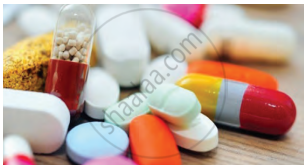
Generic medicines
Why are generic medicines cheaper?
- No Patent Costs: Branded medicines are protected by patents, which give companies exclusive rights to sell the drug for a certain period. During this time, companies spend heavily on research, marketing, and branding. Once the patent expires, other companies can produce the same medicine, but they don’t have to pay for the initial research or marketing costs.
- Lower Production Expenses: Since the formula and ingredients for generic medicines are already known and proven effective, companies save money on research and development. This significantly reduces the overall cost of production.
Maharashtra State Board: Class 8
Quality of Generic Medicines:
Generic medicines are held to the same quality and safety standards as branded medicines. They are required to have the same dosage, strength, safety, and effectiveness. Regulatory authorities, like the Food and Drug Administration (FDA), ensure that generic medicines are just as reliable as their branded counterparts.
Key Benefits of Generic Medicines,
- Affordability: Because they are cheaper, generic medicines make treatment accessible to more people, especially those who cannot afford expensive branded drugs.
- Effectiveness: Despite being cheaper, they are just as effective in treating health conditions as brand-name medicines.
