Topics
Living World and Classification of Microbes
Health and Diseases
Force and Pressure
Current Electricity and Magnetism
Inside the Atom
Composition of Matter
- Matter (Substance)
- Characteristics of Particles (Molecules) of Matter
- States of Matter
- The Solid State
- The Liquid State
- The Gaseous State
- Elements
- Earth and Elements
- Non-Metals
- Type of Element: Metalloid
- Compound
- Types of Compound
- Mixture
- Types of Mixtures
- Introduction to Solutions
- Suspension Solution
- Colloidal Solution
- Molecular Formula of Compounds
- Periodic Trends in the Modern Periodic Table
Metals and Nonmetals
Pollution
- Pollution
- Air Pollution
- Prevention and Control of Air Pollution
- Water Pollution
- Effects of Water Pollution
- Prevention and Control of Water Pollution
- Soil Pollution
- Effects of Soil Pollution
- Prevention and Control of Soil Pollution
- Relationship of Soil Pollution with Air and Water Pollution
- Laws for Control, Regulation, and Prevention of Pollution by Indian Government
Disaster Management
Cell and Cell Organelles
- Cell: Structural and Functional Unit of Life
- Prokaryotic and Eukaryotic Cell
- Plant Cell Vs Animal Cell
- Cell Organelles
- Structure of the Cell > Cell Wall: “Supporter and Protector”
- Structure of the Cell > Plasma Membrane / Cell Membrane
- Structure of the Cell > Cytoplasm: “Area of Movement”
- Structure of the Cell > Nucleus: “Brain” of the Cell
- Endoplasmic Reticulum (ER)
- Golgi Apparatus - "The delivery system of the cell"
- Lysosome - “Suicidal Bag”
- Mitochondria - “Power House of the Cell”
- Plastids
- Non-living Substances Or Cell Inclusion
Human Body and Organ System
- Human Body
- Human Organ System
- Mechanism of Respiration > Breathing
- Human Respiratory System
- Blood Circulatory System
- Human Heart
- Blood Vessels
- Circulation of Blood in the Heart (Functioning of Heart)
- Heart Beat
- Blood
- Plasma (The Liquid Portion of Blood)
- Composition of Blood > Cellular Elements: Red Blood Cells (Erythrocytes)
- Composition of Blood > Cellular Elements: White Blood Cells (Leukocytes)
- Composition of Blood > Cellular Elements: Blood Platelets (Thrombocytes)
- Functions of Blood
- Blood Transfusion and Blood Groups (ABO and Rh system)
- Blood Pressure (B.P.)
- Heart Related Conditions
Introduction to Acid and Base
Chemical Change and Chemical Bond
Measurement and Effects of Heat
Sound
Reflection of Light
Man Made Materials
Ecosystems
Life Cycle of Stars
Maharashtra State Board: Class 8
Fire:
Fire is a chemical reaction that occurs when fuel, heat, and oxygen come together in the right conditions. This process is known as combustion, and it produces heat, light, and various gases. Fire is a powerful natural force that has been essential to human civilisation for warmth, cooking, and protection, but it can also be extremely dangerous and destructive if not controlled.
| Type of Fire | Description | Extinguishing Method | Example |
|---|---|---|---|
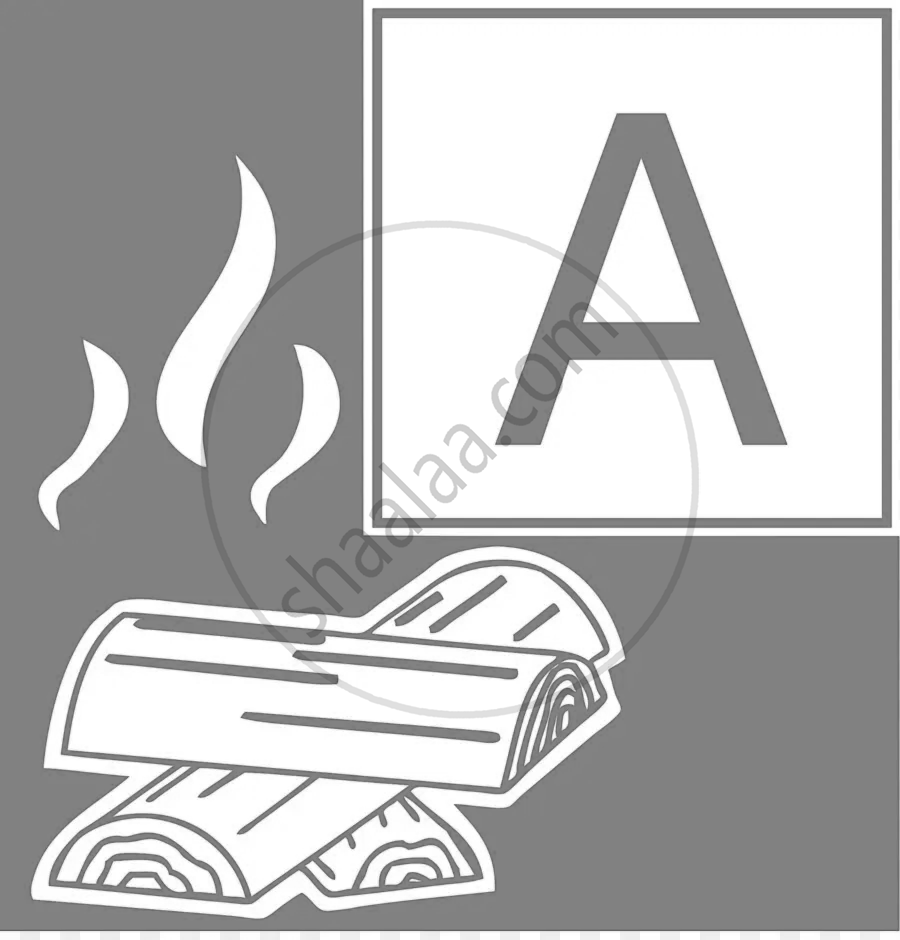
| Class A (Solid) | Fires caused by solid materials like wood, clothes, paper, etc. | Use water to cool and remove heat from the burning material. | Extinguish a campfire using water. |
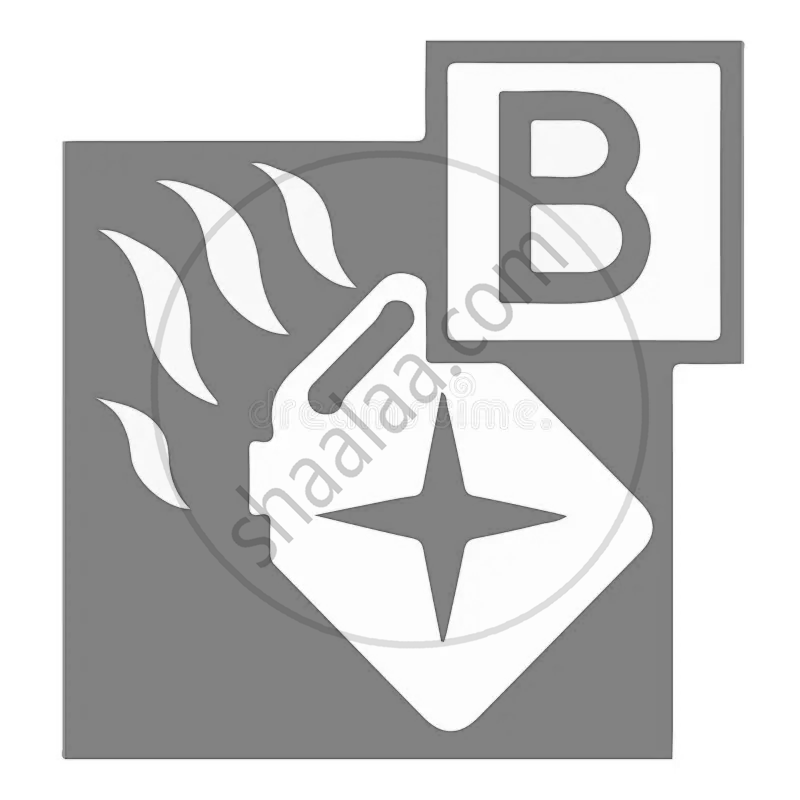
| Class B (Liquid) | Fires from flammable liquids like petrol, oil, solvents, and paints. | Do not use water; use foam or dry powder extinguishers. | Cover an oil fire in a pan with a lid or use a special extinguisher. |
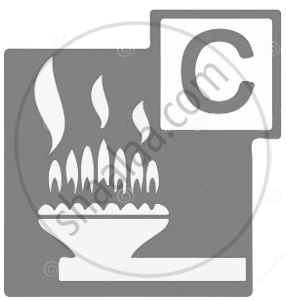
| Class C (Gas) | Fires from flammable gases like propane, butane, and LPG. | Stop the gas flow; use dry powder extinguishers. | Turn off the gas supply and use a gas fire extinguisher. |
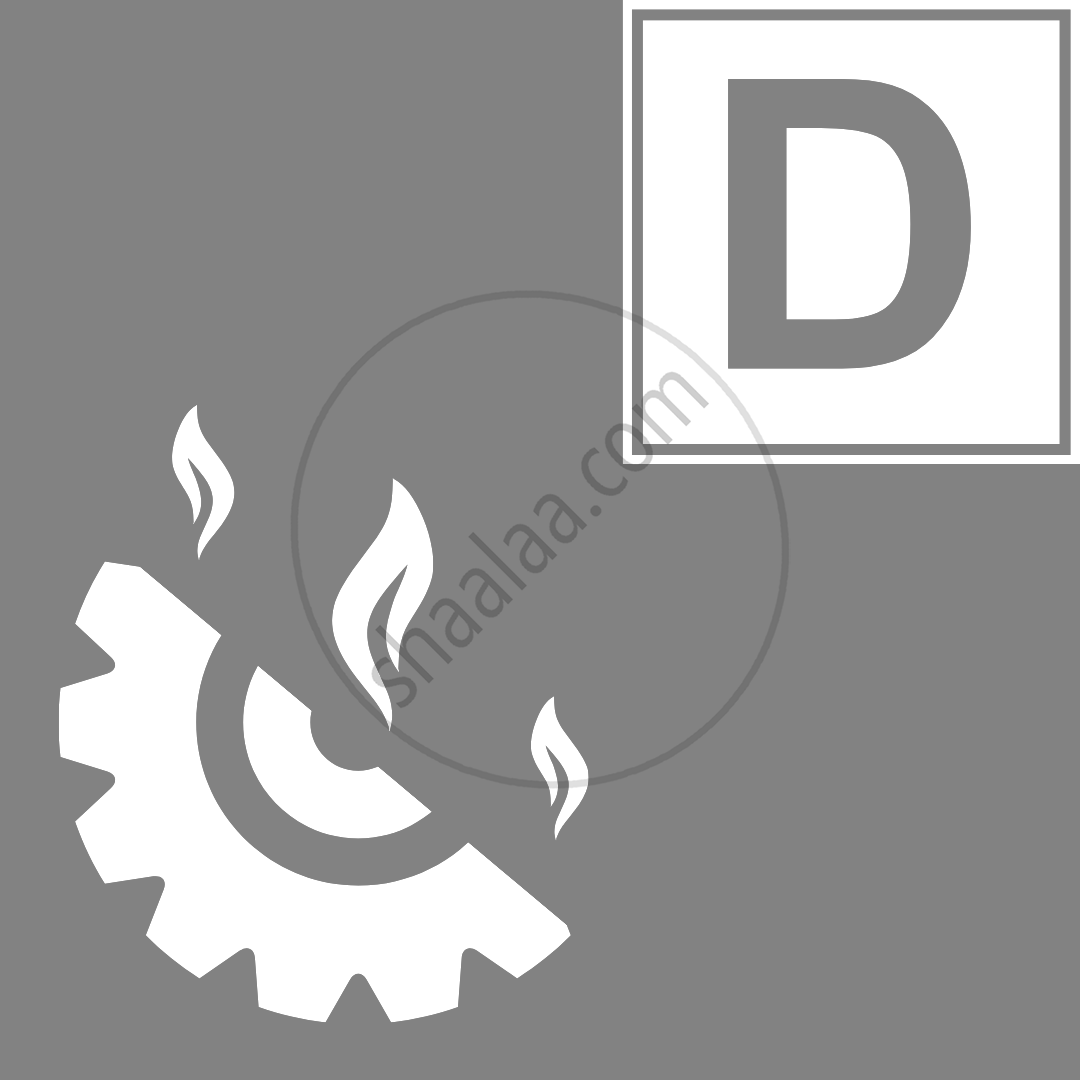
| Class D (Metal) | Fires from combustible metals like potassium, sodium, and magnesium. | Use special powders; never use water, as it may cause explosions. | Use a dry powder extinguisher on burning magnesium shavings. |
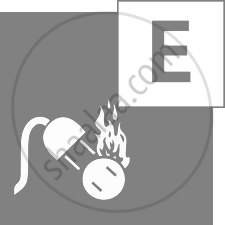
| Class E (Electrical) | Fires caused by electrical equipment and wiring. | Disconnect power; use CO2 or dry powder extinguishers. | Unplug a burning computer and use a CO2 extinguisher. |