Topics
Natural Resources – Air, Water and Land
The Living World
Diversity in Living Things and Their Classification
Disaster Management
Substances in the Surroundings –Their States and Properties
Substances in Daily Use
Nutrition and Diet
- Nutrients and Nutrition
- Component of Food
- Carbohydrates
- Diseases Due to Deficiency of Carbohydrates
- Fats (Lipids)
- Diseases Due to Deficiency of Fats
- Proteins
- Diseases Due to Deficiency of Proteins
- Vitamin and Minerals
- Diseases Due to Deficiency of Vitamin
- Diseases Due to Deficiency of Minerals
- Fibre
- Diseases Due to Deficiency of Fibre
- Water
- Diseases Due to Deficiency of Water
- A Balanced Diet
- Nourishment and Malnutrition
- Food Adulteration
Our Skeletal System and the Skin
Motion and Types of Motion
Force and Types of Force
Work and Energy
- Force, displacement and work
- Energy
- The relationship between work and energy
- Forms of Energy > Solar Energy
- Forms of Energy > Mechanical Energy
- Forms of Energy > Geo Thermal Energy
- Forms of Energy > Light Energy
- Forms of Energy > Sound Energy
- Forms of Energy > Chemical Energy
- Conversion of Energies
- Energy Resources
- Energy Resources > Conventional energy resources or non-renewable energy resources
- Energy Resources > Non-conventional energy resources or renewable energy resources
- Energy saving and green energy
Simple Machines
Sound
Light and the Formation of Shadows
Fun with Magnets
The Universe
- Introduction
- Causes and Effects
- Prevention and Safety Measures
Maharashtra State Board: Class 6
Introduction:
A storm occurs when there are strong winds caused by changes in the air pressure in the atmosphere. These changes in air pressure can lead to very bad weather, including heavy rain, thunder, and powerful winds.
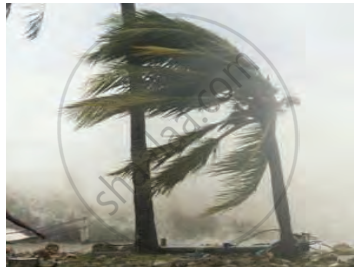
A storm
Maharashtra State Board: Class 6
Causes and Effects
Causes:
- Air Pressure Changes: Storms are caused by the formation of high- and low-pressure belts in the atmosphere. When there is a big difference between high and low pressure, strong winds are created.
- Wind Movement: These winds move very quickly from high-pressure areas to low-pressure areas, which results in a storm.
Effects:
- Damage to buildings
- Falling trees
- Loss of life
- Power outages
- Flooding
- Disruption of transport
- Communication breakdown
- Economic losses
Maharashtra State Board: Class 7
Prevention and Safety Measures:
- Trim trees to prevent branches from falling.
- If outside, find shelter in a safe place.
- Inform relatives and friends of your location if you are away from home.
- Turn off gas valves and electricity at home to avoid fires.
- Warn others about the storm and tell them to move to a safer place.
- Provide temporary shelter to those stranded far from their homes.
National Institutions:
United Nations Development Programme (UNDP): Established in 1965 to help countries during disasters. 177 nations are members of the UNDP.
UNDP sends:
- Equipment and financial aid to disaster-hit areas.
- Volunteers, medical teams, and experts to help people.
13th October is celebrated as the International Day for Disaster Reduction to raise awareness.
