Topics
The Leaf
Plant Life
Unit 1 : Plant Life
The Leaf
- Root
- Types of Root
- Shoot System
- Stem
- The Structure of a Plant
- Types of Leaf
- Autotrophic Plants
- Insectivorous Plants
- Significance of Photosynthesis
- Modifications of Leaf
The Flower
Unit 2: The Cell
The Cell
The Flower
Human Body
Unit 3: Human Body
Cell - The Structure And Functions
Digestive System
- Food and Its Types
- Nutrients and Nutrition
- Component of Food
- Human Digestive System
- The Teeth and Its Structure
- The Salivary Glands
- The Food Pipe/Oesophagus
- The Stomach
- The Small Intestine
- Absorption of Food
- The Large Intestine
- Assimilation of Food
- The Aching Tooth
- Oral Health
Respiratory System
- Parts of Respiration
Circulatory System
Health and Hygiene
Unit 4 : Health and Hygiene
Digestive System
Unit 5: Adaptation
Habitat and Adaptation
- Habitat
- Adaptations of Plants
- Adaptation in Aquatic Plants (Hydrophytes)
- Adaptation in Desert Plants (Xerophytes)
- Adaptation in plants of snowy regions
- Adaptations in Seeds for Transport Through Air
- Adaptation in Animals
- Adaptation in Aquatic Animals
- Adaptation in Desert Animals
- Adaptation in Mountain Animal
- Adaptation in Aerial Animals
Respiratory System
The Circulatory System
Disease and Hygiene
Habitat and Adaptation
Maharashtra State Board: Class 6
The Structure of a Plant
Plants have different parts, and each part has a special role. The Two Main Parts of a Plant:
- Stem: This part of the plant grows above the ground.
- Root: This part grows below the ground.
The roots, stems, and leaves are the most important parts of a plant. From time to time, plants also produce flowers that help in reproduction. These flowers later turn into fruits with seeds that grow into new plants.

The structure of a plant
Plant Parts and Their Functions:
| Plant Part | Structure/Type | Main Functions | Special Features |
|---|---|---|---|
| Flower | Colorful, fragrant, with stalk (long or short) | Helps in reproduction; produces seeds | Attracts pollinators |
| Leaf | Flat; Simple or Compound | Performs photosynthesis; makes food | Uses sunlight, water, and CO₂ |
| Stem | Varies in height and thickness | Supports plant; transports water, nutrients, and food | Stores food in some plants; helps in reproduction |
| Fruit | Various shapes and sizes; contains seeds | Houses seeds; aids in reproduction | Examples: beans, pea pods |
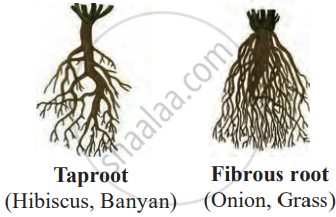
| Root | Grows underground; Taproot or Fibrous | Anchors plant; absorbs and transports water and nutrients | Stores food in some plants like carrots and radish |