Topics
Variations in Psychological Attributes
- Individual Differences in Human Functioning
- Assessment of Psychological Attributes
- Concept of Intelligence
- Theories of Intelligence
- Binet's One-Factor Theory
- Charles Spearman's Two Factor Theory
- Louis Thurstone’s Multifactor Theory
- Jensen's Hierarchical Theory of Intelligence
- Guilford's Structural Model Theory
- Howard Gardner's Multiple Intelligence Theory
- Sternberg’s Triarchic Theory
- PASS Model of Intelligence
- Individual Differences in Intelligence
- Assessment of Intelligence
- Mental Age
- Intelligence Quotient
- Variations of Intelligence
- Types of Intelligence Tests
- Individual Test
- Group Test
- Verbal Test
- Non-Verbal Test
- Performance Test
- Culture Bias and Culture Fair Tests
- Misuses of Intelligence Tests
- Intelligence Testing in India
- Culture and Intelligence
- New Trends in Intelligence> Emotional Intelligence
- Special Abilities
- Creativity
- Creativity and Intelligence
Self and Personality
- Self and Personality
- Concept of Self
- Cognitive and Behavioural Aspects of Self
- Concept of Personality
- Culture and Self
- Characteristics of Personality
- Personality Related Terms
- Descriptive Personality Theories
- Type Theories
- Trait Theories
- Trait Theory> Trait Theory of G. Allport
- Trait Theory> Cattell’s Concept of Personality
- Type Theory> Eysenck Concept of Personality
- Psychodynamic Approach
- Freud's Psychoanalytic Theory of Personality> Stages of Personality Development
- Neo-Freudian Theory of Personality
- Carl Jung’s Theory of Personality
- Karen Horney (1950)
- Psychodynamic Therapies> Alfred Adler's Psychodynamic Therapy
- Erich Fromm's Theory
- Erik Erikson's Theory of Psycho-Social Development
- Behavioural Approach
- Cultural Approach
- Humanistic Approach
- Measurement of Personality
- Self Report Inventories
- Projective Techniques
- Behavioural Analysis
Meeting Life Challenges
Psychological Disorders
- Concept of Psychological Disorders
- Concept of Abnormal Behaviour
- Classification of Psychological Disorders
- Factors Underlying Abnormal Behaviour
- Major Psychological Disorder> Anxiety Disorders
- Major Psychological Disorder> Obsessive Compulsive Disorder (OCD)
- Major Psychological Disorder> Trauma and Stress Related Disorders
- Major Psychological Disorder> Somatic Symptom and Related Disorders
- Major Psychological Disorder> Dissociative Disorders
- Depressive Disorders
- Major Psychological Disorder> Bipolar Disorder
- Major Psychological Disorder> Schizophrenia
- Major Psychological Disorder> Neurodevelopmental Disorders
- Major Psychological Disorder> Disruptive, Impulse-Control and Conduct Disorders
- Major Psychological Disorder> Eating Disorders
- Major Psychological Disorder> Substance-Related and Addictive Disorders
Therapeutic Approaches
- Therapeutic Approaches in Psychology
- Concept of Psychotherapy
- Forms of Psychotherapy
- Behaviour Therapies
- Cognitive Therapy
- Humanistic-existential Therapy
- Humanistic-existential Therapy> Client Centred Therapy
- Healing Factors in Psychotherapy
- Ethics in Psychotherapy
- Alternative Therapies
- Rehabilitation of the Mentally Ill
Attitude and Social Cognition
Social Influence and Group Processes
Psychology and Life
- Introduction to Psychology and Life
- Human-environment Relationship
- Environmental Effects on Human Behaviour
- Promoting Pro-environmental Behaviour
- Psychology and Social Concerns
Developing Psychological Skills
- Introduction to Developing Psychological Skills
- Developing as an Effective Psychologist
- General Skills
- Observational Skills
- Specific Skills
- Interviewing Skills
- Counselling Skills
- Introduction
- Personality Type Approaches
- Hippocrates’ Four Humors
- Ayurvedic Tridosha
- Trigunas
- Sheldon’s Somatotypes
- Jung’s Introversion–Extraversion
- Type A–D Personalities
- Critiques & Applications
- Key Points: Type Theories
Introduction
A type approach classifies individuals into distinct categories based on shared traits. This method simplifies complex behavior into memorable frameworks.
Personality Type Approaches

Hippocrates’ Four Humors
Each humour links bodily fluids to temperament, elements, and seasons.
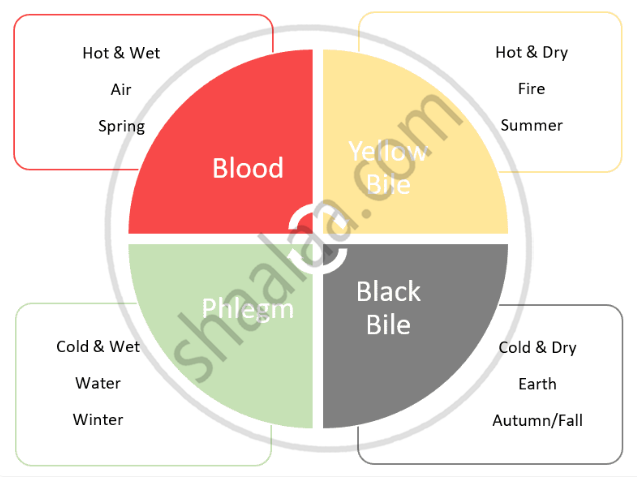
| Humor | Element | Season | Temperament Trait |
|---|---|---|---|
| Sanguine | Air | Spring | Enthusiastic |
| Phlegmatic | Water | Winter | Calm |
| Melancholic | Earth | Autumn | Thoughtful |
| Choleric | Fire | Summer | Ambitious |
Summary: Memorable but oversimplifies individual variation.
Ayurvedic Tridosha
Three doshas represent fundamental energies balancing the mind and body.
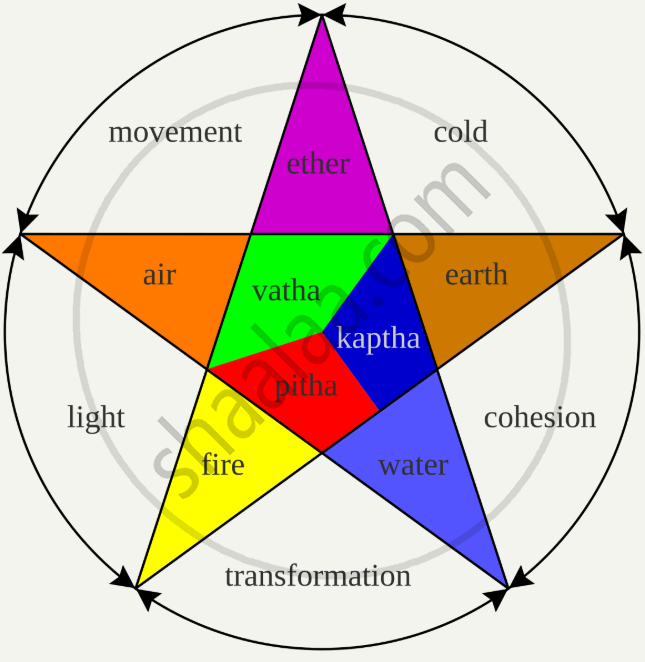
| Dosha | Qualities | Temperament |
|---|---|---|
| Vata | Light, mobile, cold | Creative, restless |
| Pitta | Hot, sharp, oily | Determined, fiery |
| Kapha | Heavy, slow, stable | Calm, steady |
Summary: Culturally rich, yet may overlook mixed temperaments.
Trigunas
Three mental qualities influence behaviour and thought.
| TAMAS | SATTVA | RAJAS |
|---|---|---|
| Tamas is a dull mind | Sattva is a calm mind | Rajas is an extroverted mind |
| Hides Awareness | Reveals Awareness | Hides Awareness |
| "A Tamasic mind is dull, sluggish, lazy and prone to depression" | "Mind is present, wise, happy and free of desire" | "Anger, anxiety, frustration, aggression, boredom are common" |
| Fear interprets experience | Truth interprets experience | Desire interprets experience |
| The upside of Tamas is that it allows one to rest | Allows proper discrimination | Rajas is a great motivator to accomplish things in the world |
| Hinders Self-Inquiry | Facilitates Self Inquiry | Hinders Self-Inquiry |
- Sattva: Discipline, wisdom, purity.
- Rajas: Activity, ambition, desire.
- Tamas: Inertia, confusion, depression.
Summary: Highlights inner qualities; individuals possess all three in varying proportions.
Sheldon’s Somatotypes
Body type linked to temperament.
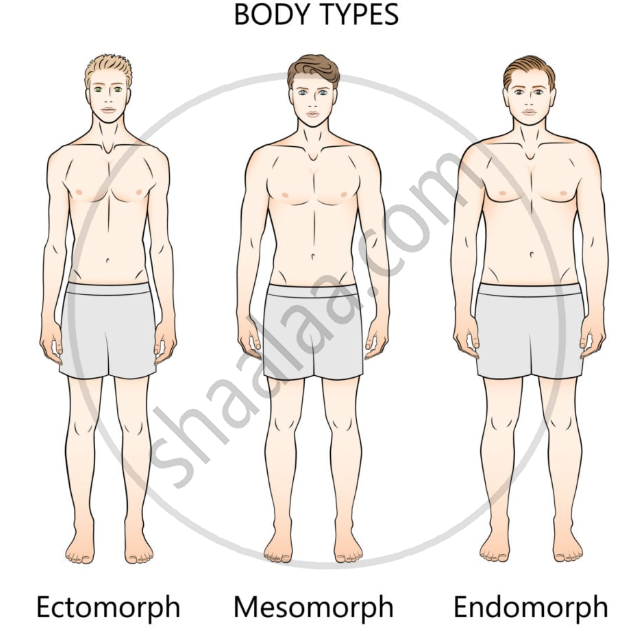
- Endomorph: Soft, sociable
- Mesomorph: Muscular, courageous
- Ectomorph: Lean, introspective
Summary: Visually intuitive but body build alone is not a reliable predictor of personality.
Jung’s Introversion–Extraversion
Energy source and social preference dichotomy.
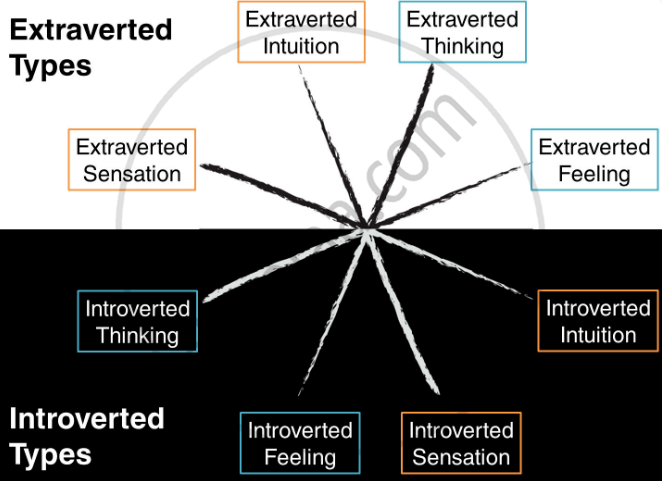
- Introvert: Prefers solitude; reflective.
- Extravert: Gains energy from social interaction; outgoing.
Summary: Widely applied; context and situation can influence behavior.
Type A–D Personalities
Behavioral patterns associated with health outcomes.
| Type | Traits | Health Implications |
|---|---|---|
| A | Competitive, impatient, high stress | Higher risk of CHD |
| B | Relaxed, patient, creative | Lower stress-related risks |
| C | Compliant, emotion-suppressing | Suggested cancer proneness |
| D | Depressive, negative affectivity | Prone to depression |
Summary: Clinically useful but risks pigeonholing individuals.
Critiques & Applications
- Oversimplification: Many individuals exhibit mixed traits.
- Context Dependence: Behavior can change with the environment.
- Stereotyping Risk: Rigid labels may limit self-perception.
Applications: Used in counseling to tailor interventions and in organizational settings for effective team composition, while acknowledging individual variability.
CISCE: Class 12
Key Points: Type Theories
- Personality type theories group people by similar traits to make behaviour easier to understand.
- Old theories like the Four Humours, Tridosha, and Trigunas link personality to body fluids, natural elements, or mental qualities.
- Modern types include Sheldon’s body types, Jung’s introvert–extrovert, and Type A–D, which relate to personality, health, habits, or energy levels.
- These types are helpful, but they can be too simple and don’t always fit everyone perfectly.
- They are used in schools, jobs, and counseling to better understand people and help them grow.
