Advertisements
Advertisements
प्रश्न
Read the set of line from the poem and answer the question that follow.
One equal temper of heroic hearts,
Made weak by time and fate, but strong in will
To strive, to seek, to find, and not to yield.
- Though made weak by time and fate, the hearts are heroic. Explain.
- Pick out the words in alliteration in the above lines.
Advertisements
उत्तर
- Ulysses and his compatriots have visited many strange places in their previous voyages and enjoyed misfortunes and glorious triumphs with the same heroic temperament. They might have become old and may not have the same strength they had in youth. But they still share the thirst for travel and pursuit of knowledge in the unexplored world. Their bravery and spiritual strength are intact.
- Strive, seek, heroic, hearts are the words that alliterate.
APPEARS IN
संबंधित प्रश्न
Why were the soldiers in the castle fearless?
Where were the enemies?
Human greed led to the mighty fall of the citadel. Explain.
Our only enemy was gold
Can you call ‘The Castle’ an allegorical poem? Discuss.
Does nature communicate with human beings?
Explain the following line with reference to the context.
Dear is the Casuarina to my soul;
“And they have their exits and their entrances” - What do the words ‘exits’ and ‘entrances’ mean?
Describe the second stage of life as depicted by Shakespeare.
Why is the last stage called second childhood?
Read the poem once again carefully and identify the figure of speech that has been used in each of the following lines from the poem.
“All the world’s a stage,
And all the men and women merely players;
They have their exits and their entrances;
And one man in his time plays many parts,
His acts being seven ages. At first the infant,
Mewling and puking in the nurse’s arms;
Then the whining school-boy, with his satchel
And shining morning face, creeping like snail
Unwillingly to school. And then the lover,
Sighing like furnace, with a woeful ballad
Made to his mistress’ eyebrow. Then a soldier,
Full of strange oaths, and bearded like the pard,
Jealous in honour, sudden and quick in quarrel,
Seeking the bubble reputation
Even in the cannon’s mouth. And then the justice,
In fair round belly with good capon lin’d,
With eyes severe and beard of formal cut,
Full of wise saws and modern instances;
And so he plays his part. The sixth age shifts
Into the lean and slipper’d pantaloon,
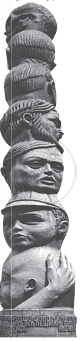
With spectacles on nose and pouch on side;
His youthful hose, well sav’d, a world too wide
For his shrunk shank; and his big manly voice,
Turning again toward childish treble, pipes
And whistles in his sound. Last scene of all,
That ends this strange eventful history,
Is second childishness and mere oblivion;
Sans teeth, sans eyes, sans taste, sans everything.”
- “All the world's a stage”
- “And all the men and women merely players”
- “And shining morning face, creeping like snail”
- “Full of strange oaths, and bearded like the pard,”
- “Seeking the bubble reputation”
- “His youthful hose, well sav’d, a world too wide”
- “and his big manly voice, turning again toward childish treble”
Pick out the word in ‘alliteration’ in the following line.
“And one man in his time plays many parts”
Read the given line and answer the question that follow.
Then the whining school-boy, with his satchel
And shining morning face, creeping like snail
Unwillingly to school.
- Which stage of life is being referred to here by the poet?
- What are the characteristics of this stage?
- How does the boy go to school?
- Which figure of speech has been employed in the second line?
Shakespeare has skilfully brought out the parallels between the life of man and actors on stage. Elaborate this statement with reference to the poem.
Pick out the lines which convey that his quest for travel is unending.
Read the set of line from the poem and answer the question that follow.
Yet all experience is an arch wherethrough
Gleams that untravelled world, whose margin fades
For ever and for ever when I move
- What is experience compared to?
- How do the lines convey that the experience is endless?
Read the set of line from the poem and answer the question that follow.
Little remains: but every hour is saved
From that eternal silence, something more,
A bringer of new things; and vile it were
- How is every hour important to Ulysses?
- What does the term ‘Little remains’ convey?
Read the set of line from the poem and answer the question that follow.
Death closes all: but something ere the end,
Some work of noble note, may yet be done,
Not unbecoming men that strove with Gods.
- The above lines convey the undying spirit of Ulysses. Explain.
- Pick out the words in alliteration in the above lines.
List the roles and responsibilities Ulysses assigns to his son Telemachus, while he is away.
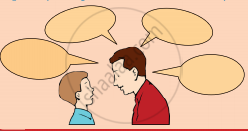
Every parent is anxious about the welfare of his/her children. Parents express their anxiety by advising them almost all the time. What kind of advice do you frequently receive from your parents? Fill in the bubbles. Tick the ones you like to follow implicitly and give reasons for the ones you don’t like to follow.
How would the poet’s advice help his son who is at the threshold of the manhood?
What has twisted good men into thwarted worms?
How according to the poet is it possible for his son to bring changes into a world that resents change?
Where was Napoleon standing on the day of attack on the city of Ratisbon?
What does the phrase ‘full galloping’ suggest?
Why did the rider keep his lips compressed?
How did the young soldier face his end?
