Advertisements
Advertisements
Question
Which tea does the author prefer– China tea or Indian tea?
Advertisements
Solution
The author prefers Indian tea to Chinese tea.
APPEARS IN
RELATED QUESTIONS
Why did the author avoid going to Lucia’s room?
What made the boys work so hard?
Here are a few varieties of tea. How many of these have you tasted? Tick the boxes.

| Herbal Tea | |
| Ice Tea | |
| Lemon Tea | |
| Green Tea | |
| Black Tea | |
| Tea with Milk |
What seems ‘curious’ to the author?
How does army tea taste?
What should be poured into the cup first–tea or milk?
Why does the author advise removing cream from the milk?
How does adding sugar affect the taste of tea?
Discuss how the essay reveals the factual points and the author’s personal opinions on the preparation of tea.
There are several physically-challenged people who have lived successful and meaningful lives. Here are a few personalities who have fought great odds and lived a life of blazing achievements. Let’s share what we know about each of them and complete the table below.
| Name of the personality | Nature of challenge | Field of achievement |
| e.g. Beethoven | Hearing impairment | Music |
| Demosthenes | ||
| Helen Keller | ||
| Mariyappan Thangavelu | ||
| Mozart | ||
| John Milton | ||
| Sudha Chandran |
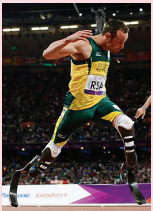
How was Dr. Barnard’s attitude to suffering different from that of his father’s?
What roles did the duo take up?
What injuries did they sustain in the accident?
Tick the qualities that are required to achieve such a feat.
| passion | reward | determination | physical |
| fame | faith | courage | money |
| drive | vengeance | inspiration | self-satisfaction |
| vision | undying spirit | inner-urge | perseverance |
What did Tenzing and Edmund Hillary gift to the Gods of lofty Summit? How did they do it?
The soft snow was difficult and dangerous. Why?
What was Pedanna’s suggestion to their father?
How did Maamanaar handle the chair at home?
Why did the family find it difficult to make a chair?
What does the ‘rule of the road’ mean?
How can we sweeten our life’s journey?
What is ‘liberty’ according to the old lady?
What do you infer from Gardiner’s essay ‘On the rule of the Road'?
Para 18
My first feelings were of relief–
relief that there were no more steps to
cut, no more ridges to traverse, and no
more humps to tantalize us with hopes
of success. I looked at Tenzing. In spite of
the balaclava helmet, goggles, and oxygen
mask – all encrusted with long icicles–that
concealed his face, there was no disguising
his grin of delight as he looked all around
him. We shook hands, and then Tenzing
threw his arm around my shoulders and
we thumped each other on the back until
we were almost breathless. It was 11.30
a.m. The ridge had taken us two and a
half hours, but it seemed like a lifetime
To the east was our giant
Describe the feelings of Edmund Hillary and Tenzing as they reached the top of the Summit. (Para 18)
Can you iron your clothes and arrange them? Can you replace a tube light?
