Advertisements
Advertisements
Question
Read the given line and answer the question that follow.
We are proud of the position we hold; humble as we are
- What is the speaker proud of?
- How is the speaker both humble and proud?
- Pick out the alliteration in these lines.
Advertisements
Solution
- The speaker is proud of the position people hold on to.
- The ordinary position they hold keeps them humble. But the path of self-dignity and honor they tread, makes them feel proud.
- proud, position, hold, humble are the words that alliterate.
APPEARS IN
RELATED QUESTIONS
What does the poet long for?
Read the line given below and answer the question that follow.
‘But now they only laugh with their teeth, While their ice-block-cold eyes…’
- Who are ‘they’?
- Explain: ice-block-cold eyes
- Identify the figure of speech used here.
Explain the following lines with reference to the context.
Once upon a time, son They used to laugh with their eyes:
Why would the referee ask whether there was a doctor in the stands? What stands is he referring to?
Read the given line and answer the question that follow in a sentence or two
When snaps the knee and cracks the wrist….
Identify and explain the use of the literary device in this line.
Explain the following with reference to the context in about 50–60 word each.
They do not ever in their dealings Consider one another’s feelings…
Read the lines given below and answer the question that follow.
If this belief from heaven be sent,
If such be Nature’s holy plan.
- What does ‘heaven’ refer to?
- Why does the poet call it ‘holy’?
Explain the following line with reference to the context in about four to five sentence each.
The birds around me hopp’d and play’d,
Their thoughts I cannot measure.
How does the poet feel while enjoying the beauty of Nature?
The poet finds joy in various objects of Nature. Explain.
Answer in a paragraph of about 100−150 words.
Do you think the poet wants to say that man is unhappy because he has lost his link with nature and forgotten how to enjoy nature, or because man is cruel to other men?
‘Nature can nurture’. Describe how this process happens.
Why is the Flying Squad frustrated?
What are the mysterious ways in which Macavity acts?
Read the given lines and answer the question that follow.
He sways his head from side to
side, with movements like a snake;
And when you think he’s half asleep,
he’s always wide awake…
- Explain the comparison made here.
- What does he pretend to do?
Read the given lines and answer the question that follow.
And his footprints are not found in any file of Scotland Yard’s.
- What seems to be a challenge for the Scotland Yard?
- Why do they need his footprints?
Read the given lines and answer the question that follow.
There never was a Cat of such deceitfulness and suavity.
- Which cat is being talked of here?
- How is he different from the rest?
Explain the following line with reference to the context.
And his footprints are not found in any file of Scotland Yard’s
Give four instances where the poet has used alliteration in the poem.
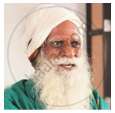
Identify the following personalities and their fields of achievement.
| Name | Field | |
 |
||
 |
||
 |
||
 |
||
 |
||
 |
||
 |
||
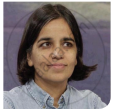 |
- Mention a remarkable achievement of any of these personalities.
- What quality do you admire the most in each of these achievers?
- What are the qualities that you may share with them?
- Name a few more popular personalities who have made our nation proud.
- ______.
- ______.
- ______.
- ______.
Which path should we follow in life?
What does ‘Everest’ in the title stand for?
Why does the speaker say ‘Everest is not the only peak’?
Are all deposed kings slain by the deposer?
What does the crown of rulers stand for?
What hides within the crown and laughs at the king’s grandeur?
What does ‘flesh’ mean here?
Read the poem once again carefully and identify the figure of speech that has been used in each of the following line from the poem:
“Scoffing his state and grinning at his pomp,…”
Based on your reading of King Richard’s speech, answer the following questions in about 100 - 150 words each. You may add your own ideas if required to present and justify your point of view.
How are eternal truths and wisdom brought to the reader here?
