Advertisements
Advertisements
Question
Name the load, effort, and fulcrum.
 |
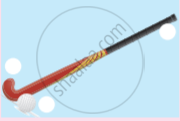 |
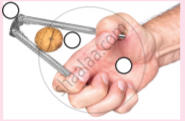 |
|
1. ______ 2. ______ 3. ______ |
1. ______ 2. ______ 3. ______ |
1. ______ 2. ______ 3. ______ |
Advertisements
Solution
|
|
|
|
1. Load 2. fulcrum 3. effort |
1. Load 2. fulcrum 3. effort |
1. Load 2. fulcrum 3. effort |
APPEARS IN
RELATED QUESTIONS
What do you mean by the mechanical advantage of a lever?
Name the class to which the following lever belong:
a see-saw
How does the friction at the fulcrum affect the mechanical advantage of the lever?
Answer the following in short.
What is the basis of the classification of levers?
Name the three classes of levers and state how are they distinguished. Give two examples of each class.
Give one example of a class I lever where mechanical advantage is less than 1.
What is the use of the lever if its mechanical advantage is
- more than 1,
- equal to 1, and
- less than 1?
Draw a labelled diagram of a class II lever. Give one example of such a lever.
Shows a lemon crusher. Name the class of lever.
Lemon juicer belongs to which type of lever? Why?
