Advertisements
Advertisements
प्रश्न
Match the following
| 1. | Petal | Opuntia |
| 2. | Fern | Chrysanthemum |
| 3. | Phylloclade | Attracts insect |
| 4. | Hooks | Spore |
| 5. | Sucker | Bignonia |
जोड्या लावा/जोड्या जुळवा
Advertisements
उत्तर
| 1. | Petal | Attracts insect |
| 2. | Fern | Spore |
| 3. | Phylloclade | Opuntia |
| 4. | Hooks | Bignonia |
| 5. | Sucker | Bignonia |
shaalaa.com
या प्रश्नात किंवा उत्तरात काही त्रुटी आहे का?
APPEARS IN
संबंधित प्रश्न
Match the following:
| Column A | Column B |
| (i) Stigma | (a) Neuron |
| (ii) Pepsin | (b) Carpel |
| (iii) Dendrites | (c) Protein |
| (d) Stamen |
Fill in the following blank with suitable word :
The.......... at the base of the carpel contains egg cells.
Write one main difference between asexual and sexual mode of reproduction. Which species is likely to have comparatively better chances of survival – the one reproducing asexually or the one reproducing sexually? Give reason to justify your answer.
__________ is present in unisexual flower.
Calyx : Sepals : : Corolla : ________________
Pollen grains from anther are transferred to the stigma.
Identify the parts A, B, C, and D?
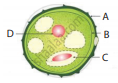
Which type of development is observed in male gametophytes of plants?
Pollen grains are produced by ______
Double fertilization is exhibited by ______
