Topics
Some Basic Concepts of Chemistry
Introduction to Analytical Chemistry
- Introduction of Analytical Chemistry
- Analysis
- Mathematical Operation and Error Analysis
- Determination of Molecular Formula
- Chemical Reactions and Stoichiometric Calculations
- Limiting Reagent
- Concentration of a Solution
- Use of Graph in Analysis
Basic Analytical Techniques
- Introduction of Some Analytical Techniques
- Purification of Solids
- Crystallisation Method
- Fractional Crystallization
- Simple Distillation Method
- Solvent Extraction
- Chromatography Method
- Chromatography Method > Adsorption Chromatography
- Chromatography Method > Partition Chromatography
Structure of Atom
Chemical Bonding
- Concept of Chemical Bonding
- Kossel-lewis Approach to Chemical Bonding - Octet Rule
- Kossel and Lewis Approach to Chemical Bonding
- Formal Charge
- Limitations of the Octet Rule
- Valence Shell Electron Pair Repulsion (VSEPR) Theory
- Valence Bond Theory (VBT)
- Molecular Orbital Theory
- Parameters of Covalent Bond
- Dipole Moment
- Resonance
Redox Reactions
Modern Periodic Table
- Introduction of Periodic Table
- Structure of the Modern Periodic Table
- Periodic Table and Electronic Configuration
- Blockwise Characteristics of Elements
- Periodic Trends in Elemental Properties
Elements of Group 1 and 2
Elements of Group 13, 14 and 15
- Electronic Configuration of Elements of Groups 13, 14 and 15
- Trends in Atomic and Physical Properties of Elements of Groups 13, 14 and 15
- Chemical Properties of the Elements of the Groups 13,14 and 15
- Carbon: A Versatile Element
- Allotropes of Carbon > Diamond
- Molecular Structures of Some Important Compounds of the Group 13, 14 and 15 Elements
- Chemistry of Notable Compounds of Elements of Groups 13, 14 and 15
States of Matter
Adsorption and Colloids
Chemical Equilibrium
- Introduction of Chemical Equilibrium
- Equilibrium in Physical Processes
- Equilibrium in Chemical Processes - Dynamic Equilibrium
- Law of Mass Action and Equilibrium Constant
- Homogeneous Equilibria
- Characteristics of Equilibrium Constant
- Applications of Equilibrium Constants
- Le Chaterlier's Principle and Factors Altering the Composition of Equilibrium
- Industrial Application
Nuclear Chemistry and Radioactivity
- Introduction: Nuclear Chemistry is a Branch of Physical Chemistry
- Classification of Nuclides
- Nuclear Stability
- Radioactivity
- Radioactive Decays
- Modes of Decay
- Nuclear Reactions
- Applications of Radio Isotopes
Basic Principles of Organic Chemistry
- Organic Chemistry
- Structural Representation of Organic Molecules
- Classification of Organic Compounds
- Nomenclature
- Isomerism
- Theoretical Basis of Organic Reactions
Hydrocarbons
Chemistry in Everyday Life
Estimated time: 8 minutes
Maharashtra State Board: Class 12
Key Points: Structural Representation of Organic Molecules
2D Representations
| Type | Description | Example |
|---|---|---|
| Dash (Structural) Formula | Shows all atoms and all covalent bonds by dashes |
\[\begin{array}{cc} |
| Condensed Formula | Groups atoms together without showing all bonds | CH₃CH₂CH₃ or CH₃–CH₂–CH₃ |
| Bond Line / Zig-Zag Formula | Skeletal structure — lines represent C–C bonds; carbon atoms at line intersections and ends; H atoms implied |  |
3D Representations
| Type | Description |
|---|---|
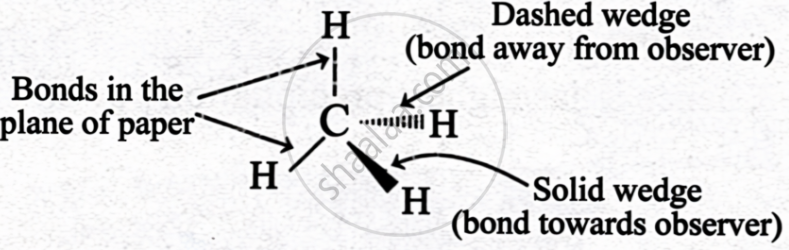
| Wedge Formula |
Solid wedge
|
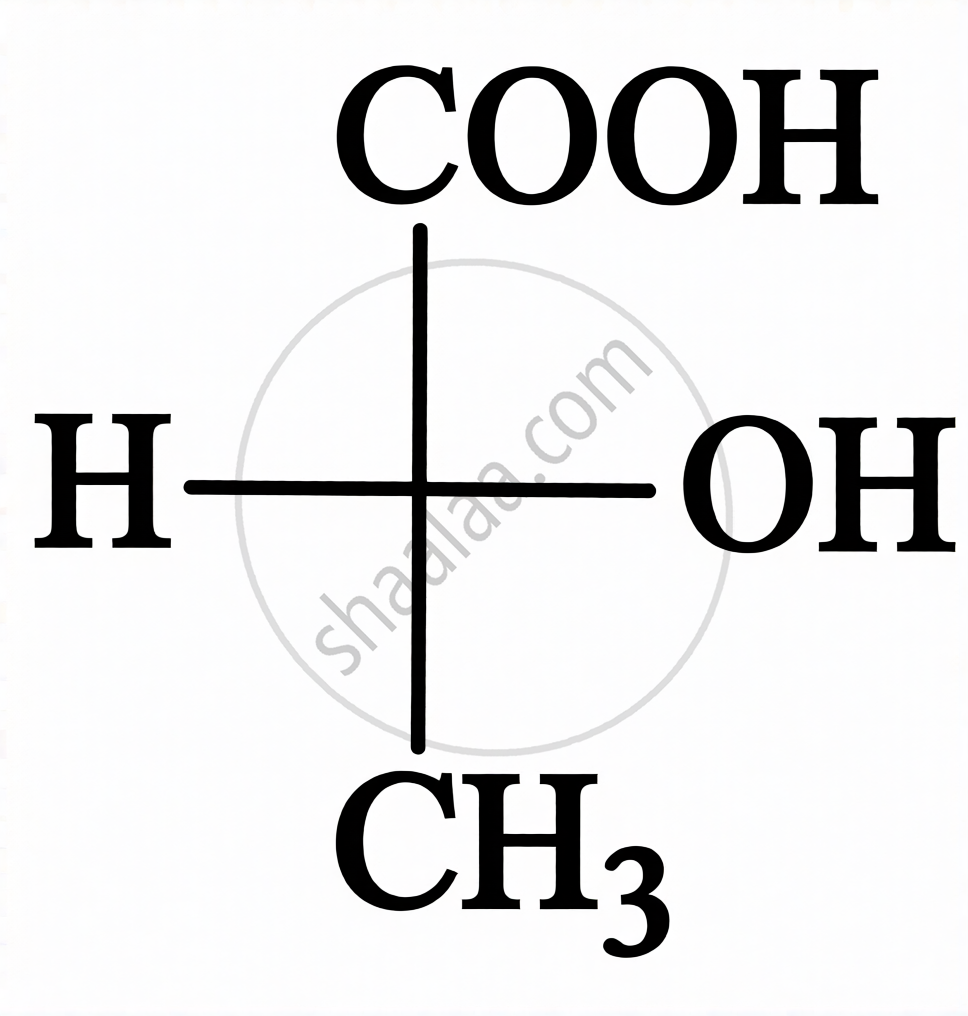
| Fischer Projection (Cross Formula) |
Carbon chain drawn vertically; horizontal lines represent bonds projecting up, vertical lines represent bonds going below the carbon.
|
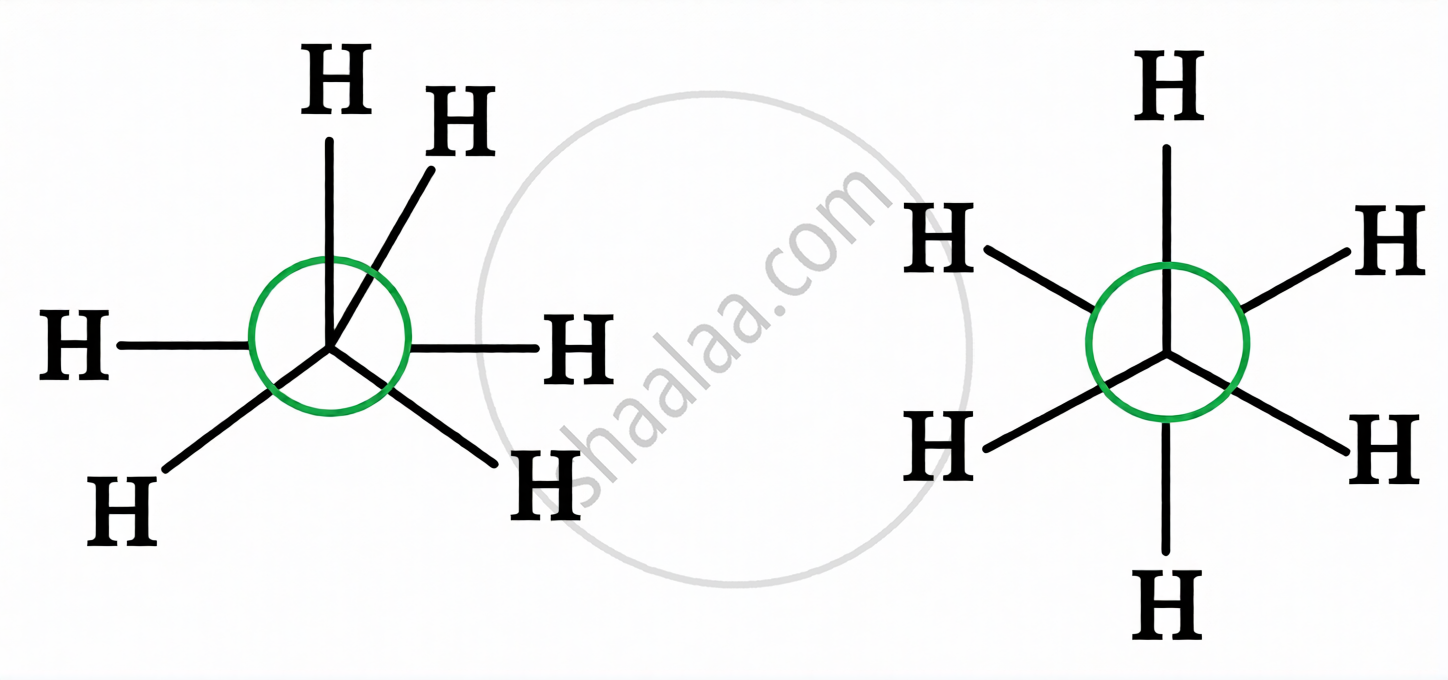
| Newman Projection |
Front carbon shown as a point, rear carbon as a circle; remaining 3 bonds at each carbon drawn as spokes of a wheel.
|
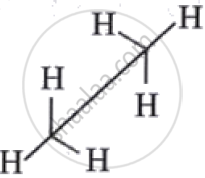
| Sawhorse / Perspective Formula |
Three-dimensional representation showing spatial arrangement.
|
 dashed wedge
  , normal line (—).