Advertisements
Advertisements
Question
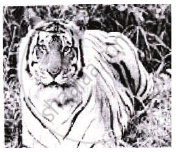
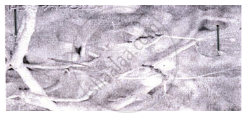
What is common to the species shown in figures A and B?
 |
 |
| A | B |
Advertisements
Solution
Both are examples for Keystone species
APPEARS IN
RELATED QUESTIONS
What are the major causes of species losses in a geographical region?
Species that possess a very high risk of extinction due to rapid population decline of about 50 - 70 % over three generations is designated as ______.
Match the following and choose the correct alternative.
| Column I | Column II | ||
| i. | Not evaluated | a. | Pervasive and abundant after careful assessment |
| ii. | Near threatened | b. | Information related to risk of extinction is lacking in some way |
| iii. | Least concern | c. | Described by scientist but not assessed by the IUCN |
| iv. | Data deficient | d. | May meet the criteria for threatened status in the near future |
______ refers to the conservation of endangered species outside their natural habitats.
The Red List of threatened species is published by ______.
Which among the following is/are the type( s) of extinction of species?
Match the animals given in column I with their location in column II:
| Column I | Column II |
| A. Dodo | i. Africa |
| B. Quagga | ii. Russia |
| C. Thylacine | iii. Mauritius |
| D. Stellar's sea cow | iv. Australia |
Choose the correct match from the following:
How can you, as an individual, prevent the loss of biodiversity?
How many Biodiversity hotspots have been identified around the world?
"Forests provide intangible benefits to us." Explain by taking three different areas, how.
Match the species in Column I with its category in Column II.
| Column I | Column II |
| A. Rare species | I. No species |
| B. Vulnerable species | II. Facing a high risk of extinction |
| C. Endangered species | III. Localised species |
| D. Extinct species | IV. Species under threat |
Choose the correct answer from the options given below.
Which one of the following is a pair of endangered species?
Give definitions of Invasive species.
Name any two factors responsible for the loss of biodiversity in a geographical region.
Match List - I with List - IІ.
| List - I | List - II |
| A. The Evil Quartet | I. Cryopreservation |
| B. Ex-situ conservation | ΙI. Alien species invasion |
| C. Lantana camara | III. Causes of biodiversity losses |
| D. Dodo | IV. Extinction |
Choose the option with all correct matches.
Damage to biodiversity takes place due to natural reasons which includes the following EXCEPТ:
Which of the following species pairs are examples of 'Extinct in the Wild' (EW) category?
In the IUCN Red List, which category represents species that are 'likely to become threatened soon'?
Which of the following is an example of a species in the 'Least Concern' (LC) IUCN category?
