Advertisements
Advertisements
Question
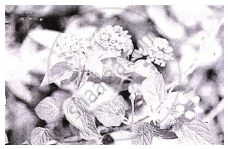
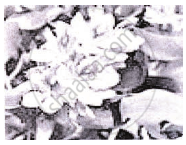
What is common to the species shown in figures A and B?
 |
 |
| A | B |
Advertisements
Solution
Both are invasive weed species
APPEARS IN
RELATED QUESTIONS
Enlist any six categories into which a given species is placed once it has been thoroughly evaluated by IUCN.
Species that possess a very high risk of extinction due to population decline of about 30 - 50 % over past 10 years are categorized as _______.
Which among the following is/are the type( s) of extinction of species?
Which of the following statements is correct?
IUCN means
Match the animals given in column I with their location in column II:
| Column I | Column II |
| A. Dodo | i. Africa |
| B. Quagga | ii. Russia |
| C. Thylacine | iii. Mauritius |
| D. Stellar's sea cow | iv. Australia |
Choose the correct match from the following:
The species placed in CR category is ______.
Which of the following suits hotspots in ecological terminology?
Gametes of threatened species can be preserved in viable and fertile conditions for long periods using ______.
Decline in the population of Indian native fishes due to introduction of Clarias gariepinus in river Yamuna can be catogoriesd as ______.
Match the species in Column I with its category in Column II.
| Column I | Column II |
| A. Rare species | I. No species |
| B. Vulnerable species | II. Facing a high risk of extinction |
| C. Endangered species | III. Localised species |
| D. Extinct species | IV. Species under threat |
Choose the correct answer from the options given below.
Give definitions of Endangered species.
These are regarded as major causes of biodiversity loss:
- Over exploitation
- Co-extinction
- Mutation
- Habitat loss and fragmentation
- Migration
Choose the correct option:
When one species becomes extinct and another species closely associated with it also disappears, this phenomenon is called:
In the IUCN classification, what does the category 'EW' stand for?
Reduced biodiversity in an ecosystem leads to which of the following ecological effects?
Which of the following is a natural cause (rather than a human cause) of biodiversity loss?
In the IUCN Red List, which category represents species that are 'likely to become threatened soon'?
