Name the two intermediate hosts which the human liver fluke depends on to complete its life cycle so as to facilitate parasitization of its primary host.
Advertisements
Question
Name the two intermediate hosts which the human liver fluke depends on to complete its life cycle so as to facilitate parasitization of its primary host.
Advertisements
Solution
RELATED QUESTIONS
What is mutualism?
Name important defence mechanisms in plants against herbivory.
What is the ecological principle behind the biological control method of managing with pest insects?
Competition and Mutualism.
What is Mortality? What are its two types?
Define the following term:
Parasitism
Two species competing for the same resources, avoid competition by choosing different times for feeding, also known as ______
Type of interspecific interaction wherein one organism is benefited and other is harmed is called ____________.
Cattle egrets always foraging close to the grazing cattle is an example of ____________.
A protozoan living in the digestive tract of a flea that lives on a dog is an example of ______
The presence or interference of one species leads to reduction in feeding efficiency of other species is termed as
What is commensalism?
Observe the set of 4 figures A, B, C and D and, answer the following questions
- Which one of the figures shows mutualism?
- What kind of association is shown in D?
- Name the organisms and the association in C.
- What role is the insect performing in B?
 Fig. (A) |
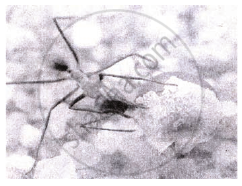 Fig. (B) |
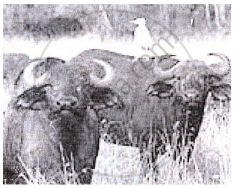 Fig. (C) |
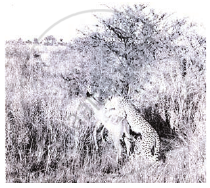 Fig. (D) |
Name any two categories of organisms that in general are adversely affected by competition.
"Cattle and goats do not browse the Calotropis plant." Justify the statement giving reasons.
Which interaction type is characterized by both species being benefited?
In commensalism, how is the unaffected species impacted by the interaction?
Rabbits and deer sharing the same forest is an example of which population interaction?
