Advertisements
Advertisements
Question
In Period 3 of the Periodic Table, element B is placed to the left of element A. On the basis of this information, choose the correct word from the option to complete the following statement:
The element A would have ______ atomic size than B.
Options
greater
smaller
Advertisements
Solution
The element A would have smaller atomic size than B.
APPEARS IN
RELATED QUESTIONS
Give the trends in atomic size on moving down the group.
Why is the size of neon greater than fluorine?
Write the name and symbol of the element from the description.
The noble gas with the smallest atomic radius.
Among the elements of the second period, Li to Ne, pick out the element with the largest atomic size
Atomic radius is expressed in the unit ______.
Write information about the given atomic numbers in the table.
| Atomic Number | Electronic configuration | Group | Period | Element |
| 10 | ||||
| 20 | ||||
| 7 |
An element X has mass number 40 and contains 21 neutrons in its atom. To which group of the Periodic Table does it belong?
Which among the following elements has the largest atomic radii?
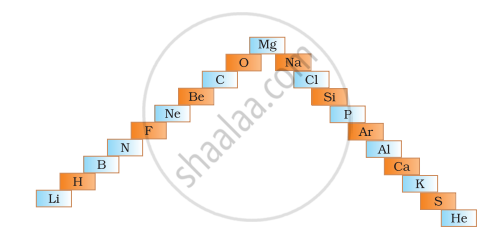
- In below ladder symbols of elements are jumbled up. Rearrange these symbols of elements in the increasing order of their atomic number in the Periodic Table.
- Arrange them in the order of their group also.
Arrange the following in order of increasing radii:
N, O, P
Explain your choice.
