Advertisements
Advertisements
Question
Draw a neat and labelled diagram.
Hydra
Advertisements
Solution

APPEARS IN
RELATED QUESTIONS
Identify me.
I am diploblastic and acoelomate. Which phylum do I belong to?
Label the following.
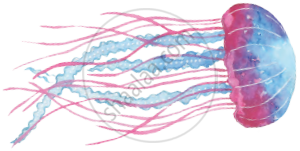
Porifera : Asymmetrical : : Cnidaria : __________
Tentacles are used for capturing the prey.
Give scientific reason.
Our body irritates if it comes in contact with a jellyfish.
To which phylum does it belong, if I have a sting to prick?
What is the use of cnidoblast for us?
How do we destroy the harmful insects?
Why coelenterates are called diploblastic animals?
Real organs are absent in
______ are diploblastic.
Name the following:
A phylum with diploblastic animals.
What is polymorphism?
Provide appropriate technical term in the space provided.
Stinging organ of jelly fishes ______.
Match the following:
| Animals | Locomotory Organ |
| a. Octopus | i. Limbs |
| b. Crocodile | ii. Comb plates |
| c. Catla | iii. Tentacles |
| d. Ctenoplana | iv. Fins |
Differentiate between polyp and medusa
