Topics
Basic Concepts in Economics
- Branches of Science
- Natural Science
- Social Science
- Concept of Economics
- Kautilya's Views on Economics
- Types of Economic Systems
- Capitalism
- Socialism
- Mixed Economy
- Introduction to Microeconomics and Macroeconomics
- Microeconomics
- Basic Concepts of Microeconomics > Want
- Basic Concepts of Microeconomics > Goods and Services
- Basic Concepts of Microeconomics > Utility
- Basic Concepts of Microeconomics > Value
- Basic Concepts of Microeconomics > Wealth
- Microeconomics > Personal Income
- Basic Concepts of Microeconomics > Personal Disposable Income
- Microeconomics > Economic Activity
- Types of Income
- Concept of Economic Good
- Macroeconomics
- Cyclical Unemployment
- Difference Between Economic Growth and Economic Development
Money
Partition Values
The Economy of Maharashtra
- Formation and Economic Progress of Maharashtra
- Administrative Divisions of Maharashtra
- Important Features of the Economy of Maharashtra
- Economic Development of Maharashtra
- Agricultural Sector
- Industrial Growth in Maharashtra
- Service Sector
- Core Areas of Service Sector
- Economic Infrastructure of Maharashtra
- Social Infrastructure of Maharashtra
- Measures for Social Infrastructure: Education
- Measures for Social Infrastructure: Health Services
- Co – operative Movement in Maharashtra
- Symbols of Educational Schemes in India
- Tourism in Maharashtra
- Hospitality
- Entertainment Industry
Rural Development in India
Population in India
- Concept of Population in India
- Trends in Population Growth
- Theories of Population Growth
- Population Explosion in India
- Types of Population Based on Resource Availability
- Birth Rate
- Death Rate
- Survival Rate
- Legal Age of Marriage for Males and Females in Different Countries
- The Population as a Human Resource
- Role of Human Resources in Economic Development
Unemployment in India
- Concept of Unemployment
- Important Terms of Employment and Unemployment
- Types of Unemployment
- Rural Unemployment
- Urban Unemployment
- Extent of Unemployment in India
- State-Wise Unemployment Rates in India
- Causes of Unemployment
- General Measures to Reduce Unemployment
- Effects of Unemployment
- Government Measures for Employment Generation
Poverty in India
- Concept of Poverty in India
- Prof. Amartya Sen’s Views on Poverty
- Multi-dimensional Poverty
- Key Concepts of Poverty
- Countries with Highest Extreme Poverty Rates
- Poverty Line
- Informal Sector and Related Activities
- Income Pyramid
- Types of Poverty
- Extent of Poverty in India
- Estimates of Poverty
- Causes of Poverty
- Effects of Poverty
- Sustainable Development Goals
- Understanding Maharashtra’s Tri Colour Family Ration Cards
- Eradication of Poverty
- Poverty Alleviation Programmes and Their Target Sectors
- Tracking Anti-Poverty Efforts
Economic Policy of India since 1991
- Economic Transition of India
- Main Objectives of the Economic Policy of 1991
- Features of the Economic Policy of 1991
- Public Bank Vs Private Banks Vs Foreign Banks
- Components of New Economic Policy
- Liberalisation
- Privatisation
- Globalisation
- Evaluation of the Economic Policy of 1991
- Corporate Social Responsibility
Economic Planning in India
- India’s Planning Commission
- Economic Planning in India
- Overview of the Bombay, People’s, and Gandhian Plans
- Features of Economic Planning
- Five Year Plans (FYP)
- 12th Five Year Plan (2012-2017)
- Levels of National Family Health Survey (NFHS)
- NITI Aayog (National Institution for Transforming India)
- Planning Commission VS NITI Aayog
- Introduction
- Definition: Economics
- Adam Smith – "The Wealth Creator"
- Alfred Marshall – "The Welfare Champion"
- Lionel Robbin – "The Choice Master"
- Real-Life Application
- Key Point Summary
Introduction
Economics is the study of how people, families, businesses, and governments make choices about using their limited resources to satisfy their unlimited wants. The word "Economics" comes from the Greek word "Oikonomia" which means "household management" - just like how you manage your pocket money!
Why is Economics called the "Queen of Social Sciences"?
Paul Samuelson, a famous economist, gave economics this title because it influences all aspects of human life - from what you buy with your pocket money to how countries trade with each other.
Definition: Economics
- Adam Smith: "Economics is the science of wealth"
- Prof Alfred Marshall: "Economics is a study of mankind in the ordinary business of life. It examines that part of individual and social action which is closely connected with the attainment and use of material requisites of well-being."
- Lionel Robbins: "Economics is a science which studies human behaviour as a relationship between ends and scarce means which have alternative uses."
Adam Smith- “The Wealth Creator”
|
Who was Adam Smith?
|
|

Key Ideas:
- Laissez-faire: Let businesses operate freely without too much government interference.
- Wealth Accumulation: Focus on creating and increasing a nation's wealth.
- Division of Labor: When people specialize in what they do best, everyone benefits.
- Invisible Hand: Market forces naturally guide the economy.
Alfred Marshal- “The Welfare Champion"
|
Who was Alfred Marshall?
|
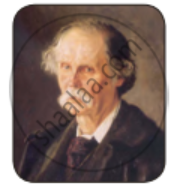 Alfred Marshall Alfred Marshall |
Key Ideas:
- Study of Ordinary People: Economics should focus on the common people's daily lives.
- Material Welfare: How people improve their living standards.
- Behavioural Science: Economics studies human behaviour, not just wealth.
- Beyond Wealth: Economics is more than just money-making.
Lionel Robbin- “The Choice Master”
|
Who was Lionel Robbins?
|
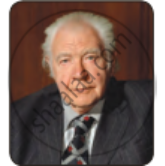 Lionel Robbins Lionel Robbins |
Key Ideas:
- Unlimited Wants: People always want more than they can have.
- Limited Resources: There are never enough resources to satisfy all wants.
- Alternative Uses: The same resource can be used for different purposes.
- Choice Making: People must choose between different options.
Real-Life Application
1. India's IT boom in Bangalore! Companies like Infosys and TCS compete freely, create wealth, provide jobs, and make India globally famous for software
2. Mid-Day Meal Scheme! The government provides free lunch to schoolchildren. This improves health and education – making lives better, not just creating wealth
3. Class 12 student choosing a career:
- Engineering (IIT)
- Medicine (NEET)
- Commerce (CA)
- Arts (Literature)
Can't do all! Must choose one. If Engineering is chosen, Medicine is the opportunity cost.
Key Point Summary
- Economics evolved from focusing on wealth to welfare to choice-making.
- All three definitions are important and complement each other.
- Modern economics combines ideas from all three approaches.
- Understanding these definitions helps us make better personal and social decisions.
