Advertisements
Advertisements
Question
Match the following:
| Column A | Column B |
| 1. Population of Asia | a. Manchurian Plain |
| 2. Countries in Asia | b. Plateau of Tibet |
| 3. Marshy lowlands | c. 4.43 billion people |
| 4. Inter-montane plateau | d. 48 |
| 5. River Amur | e. Great Siberian Plain |
Advertisements
Solution
| Column A | Column B |
| 1. Population of Asia | c. 4.43 billion people |
| 2. Countries in Asia | d. 48 |
| 3. Marshy lowlands | e. Great Siberian Plain |
| 4. Inter-montane plateau | b. Plateau of Tibet |
| 5. River Amur | a. Manchurian Plain |
APPEARS IN
RELATED QUESTIONS
State whether the following is true or false:
Most of the Asian countries gained independence only after World War I.
Answer the following question in brief:
What do you understand by the term ‘archipelago ? Give two examples from the Pacific Ocean.
The mountain peak seen in the picture is the highest peak in the world.
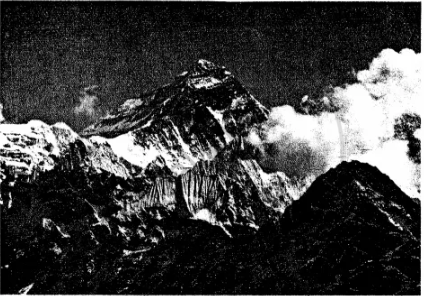
What is the height of this peak?
The mountain peak seen in the picture is the highest peak in the world.
In which mountain range does it lie?
What do you mean by Eurasia?
Name the following (in Asia):
Deepest lake
Name the following (in Asia):
Longest strait
Fill in the blank:
Together with Europe, Asia is called ______.
Fill in the blanks:
______Ocean lies to the east and _______Ocean to the south of Asia.
Fill in the blanks:
Asia occupies ______ of the total land area and _______ of the total population of the world.
