Advertisements
Advertisements
प्रश्न
Match the following:
| Column A | Column B |
| 1. Population of Asia | a. Manchurian Plain |
| 2. Countries in Asia | b. Plateau of Tibet |
| 3. Marshy lowlands | c. 4.43 billion people |
| 4. Inter-montane plateau | d. 48 |
| 5. River Amur | e. Great Siberian Plain |
जोड़ियाँ मिलाइएँ
Advertisements
उत्तर
| Column A | Column B |
| 1. Population of Asia | c. 4.43 billion people |
| 2. Countries in Asia | d. 48 |
| 3. Marshy lowlands | e. Great Siberian Plain |
| 4. Inter-montane plateau | b. Plateau of Tibet |
| 5. River Amur | a. Manchurian Plain |
shaalaa.com
Asia: Location and Extent
क्या इस प्रश्न या उत्तर में कोई त्रुटि है?
APPEARS IN
संबंधित प्रश्न
State whether the following is true or false:
Together with Europe, Asia is often referred to as Eurasia.
Name the rivers of the Great Siberian Plain.
Answer the following question in detail:
Describe the location of Asia.
The mountain peak seen in the picture is the highest peak in the world.
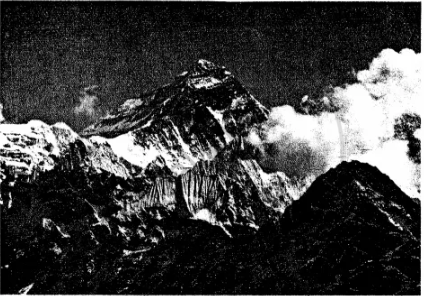
In which mountain range does it lie?
Which is the largest and the smallest country in Asia?
Name the following (in Asia):
Deepest sea
Name the following (in Asia):
Longest strait
Name the following (in Asia):
Coldest Place
Fill in the blank:
Together with Europe, Asia is called ______.
Fill in the blanks:
Asia occupies ______ of the total land area and _______ of the total population of the world.
