Advertisements
Advertisements
Questions
List any five advantages of using convenience food.
Convenience foods are pre-prepared foods designed for ease of consumption and storage. They often have a long shelf life and require minimal preparation.
In this context, answer the following question:
List any five advantages of using convenience food.
Advertisements
Solution
Convenience foods offer several advantages, making them a popular choice for those with busy lifestyles.
The advantages of using convenience foods are:
- Time-Saving: Convenience foods are designed to reduce preparation and cooking time. Pre-washed vegetables, pre-cooked meals and frozen dinners can be quickly heated or assembled, allowing you to eat with little effort.
- Reduced Planning and Shopping: Many convenience foods require minimal planning or shopping visits. You can grab frozen meals or pre-cut items on the move, which reduces the overall time and commitment required for meal preparation.
- Variety and Availability: The variety of convenience foods has grown significantly, now including options beyond frozen pizzas and quick noodles.
- Portion Control: Convenience foods often come in single-serving portions, which can be helpful with portion control and calorie intake.
- Reduced Food Waste: Convenience food often comes in pre-portioned sizes, so there is less risk of food spoilage than purchasing huge quantities of fresh ingredients.
RELATED QUESTIONS
List three ways of storing eggs to maintain their freshness.
Define the perishability of food.
State any three points to be kept in mind while storing processed cereal products.
Eggs are best kept in ______.
List any two advantages of convenience food.
Example of a hygroscopic substance:
Choose the correct pair:
| A. Fast food | 1. Pickles |
| B. Convenience food | 2. Milk |
| C. Perishable food | 3. Apples |
| D. Semi-perishable food | 4. Ham Burger and French fries |
Identify the picture.
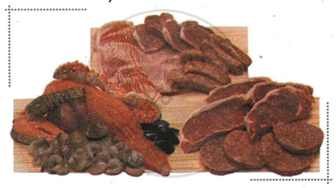 |
Identify the picture and classify the food.
Why should eggs not be washed before storing?
Explain the classification of food on the basis of moisture content for the purpose of storage. Give two examples of each.
