Advertisements
Advertisements
Question
A parody is a playful, comic imitation of a writer’s style. A parody is like a verbal cartoon. Compare the original poem and its parody given on page 35 using the following points:
|
How doth the little busy bee |
How doth the little crocodile (parody) |
| Choice of a subject (an animal) | __________________ |
| __________________ | __________________ |
| Number of lines and stanzas | __________________ |
| __________________ | __________________ |
| Same or similar constructions | __________________ |
| __________________ | __________________ |
| Tone of the poem | __________________ |
| __________________ | __________________ |
Advertisements
Solution
|
How doth the little busy bee |
How doth the little crocodile (parody) |
| Choice of a subject (an animal) | Choice of subject (an animal) |
| A bee | A crocodile |
| Number of lines and stanzas | Number of lines and stanzas: |
| 8 lines, 2 stanzas | 8 lines, 2 stanzas |
| Same or similar constructions | Same or similar constructions: |
| Yes | Yes |
| Tone of the poem | Tone of the poem: |
| Serious, moralistic, inspirational | Witty, humorous, sarcastic |
RELATED QUESTIONS
Name the world-famous personality who reached great heights despite of humble circumstances.

Now try to add a contradictory word to the following:
- What a ______ mess you’ve got us into!
- It’s a ______ imitation of a diamond necklace.
- My trip to Matheran was a ______ holiday.
- With such heavy makeup, she looks ______ ugly.
- A ______ crowd gathered to see the magic show.
Note: Contrasting words that go together are examples of the language device called Oxymoron.
Write other meaningful words that begin/end with gentle-hearted.
Pick out the other examples for alliteration from the poem.
The market was ______ away from the village.
_________ is the memorial for the soldiers.
Answer using Yes or No and pick sentence from the story to support your answer.
Was Robinson alone in the island?
The old man put _____ on the mouth of the gourd.
Write the correct word.
| rooster, king, hen, tiger, queen, tigress. |
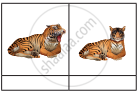
Choose the right word.
The tamarind tree grows over Tansen’s ______.
