Advertisements
Advertisements
प्रश्न
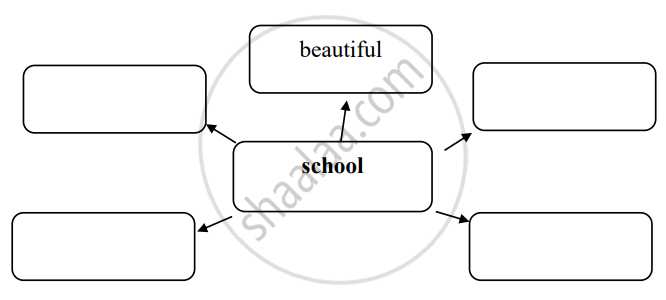
The whole world is happy because children are going to school. Why is it so? Discuss it in the classroom.
Advertisements
उत्तर
- Education Builds the Future: Schools help children learn the skills and knowledge they need to succeed in life. Educated children grow up to become responsible citizens, leaders, and professionals who can shape a better future for everyone.
- Breaking the Cycle of Poverty: Education gives children from underprivileged backgrounds the chance to improve their lives. With schooling, they can access better jobs and opportunities, helping their families and communities escape poverty.
- Developing Life Skills: School is not just about textbooks! Children learn important life skills like teamwork, problem-solving, creativity, and communication — all of which are essential for building a peaceful and productive society.
- Healthier and Safer Communities: Educated children grow up with better awareness of health, hygiene, and safety. They can make informed choices, promoting healthy living in their families and communities.
- Equality and Empowerment: Education helps bridge gaps in society. When girls and boys both go to school, it promotes gender equality and gives everyone the chance to succeed, regardless of background.
- Creating a Kinder World: Schools teach children empathy, respect, and tolerance. When children from different backgrounds study together, they learn to appreciate diversity and build a more inclusive world.
- Innovation and Progress: Schools inspire young minds to become inventors, scientists, and creators. Many future solutions to the world’s problems will come from children who are learning in classrooms today!
- The Ripple Effect: When children go to school, the benefits spread beyond them. Educated children grow up to become parents, workers, and citizens who help others and contribute to their communities and the economy.
APPEARS IN
संबंधित प्रश्न
Read the passage given below and answer the questions that follow:
The term dietary fibres refers collectively to indigestible carbohydrates present in plant foods. The importance of these dietary fibres came into the picture when it was observed that the people having diet rich in these fibres, had low incidence of coronary heart disease, irritable bowel syndrome, dental caries and gall stones.
The foodstuffs rich in these dietary fibres are cereals and grains, legumes, fruits with seeds, citrus fruits, carrots, cabbage, green leafy vegetables, apples, melons, peaches, pears etc.
These dietary fibres are not digested by the enzymes of the stomach and the small intestine whereas most of other carbohydrates like starch and sugar are digested and absorbed. The dietary fibres have the property of holding water and because of it, these get swollen and behave like a sponge as these pass through the gastrointestinal tract. The fibres add bulk to the diet and increase transit time in the gut. Some of these fibres may undergo fermentation in the colon.
In recent years, it has been considered essential to have some amount of fibres in the diet. Their beneficial effects lie in preventing coronary heart disease, and decreasing cholesterol level. The fibres like gums and pectin are reported to decrease postprandial (after meals) glucose level in blood. These types of dietary fibres are recommended for the management of certain types of diabetes. Recent studies have shown that the fenugreek (Methi) seeds, which contain 40 per cent gum, are effective in decreasing blood glucose and cholesterol levels as compared to other gum containing vegetables.
Some dietary fibres increase transit time and decrease the time of release of ingested food in colon. The diet having less fibres is associated with colon cancer and the dietary fibres may play a role in decreasing the risk of it.
The dietary fibres hold water so that stools are soft, bulky and readily eliminated. Therefore high fibre intake prevents or relieves constipation.
The fibres increase motility of the small intestine and the colon and by decreasing the transit time there is less time for exposure of the mucosa to harmful toxic substances. Therefore, there is a less desire to eat and the energy intake can be maintained within the range of requirement. This phenomenon helps in keeping a check on obesity. Another reason in helping to decrease obesity is that the high-fibre diets have somewhat lower coefficients of digestibility.
The dietary fibres may have some adverse effects on nutrition by binding some trace metals like calcium, magnesium, phosphorus, zinc and others and therefore preventing their proper absorption. This may pose a possibility of nutritional deficiency especially when diets contain marginal levels of mineral elements. This may become important constraints on increasing dietary fibres. It is suggested that an intake of 40 grams dietary fibres per day is desirable.
(Extracted from ‘The Tribune’)
(a) On the basis of your reading of the above passage make notes on it in points only, using recognizable abbreviations wherever necessary. Also suggest a suitable title. (5)
(b) Write a summary of the above in about 80 words. (3)
What does “this circumstance” refer to?
Do you have a pet?
Pick out the statements which aptly depict the theme of the poem.
- In the poem, the speaker memorises the past.
- In ‘The Planners’ the poet describes the unstoppable force of modernisation.
- The poet talks about the replacement of natural environment by the concrete jungle.
- The poet proposes to stop modernisation.
- The poet laments helplessly.
Answer the following question in short.
Explain the significance of the title.
An Anagram is a word or a phrase formed by rearranging the letters of a different word or phrase, typically using all the original letters exactly once.
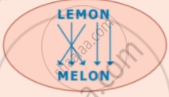
Now try to solve these anagrams
| 1. | ELBOW | |
| 2. | SECTION | |
| 3. | VIEWER | |
| 4. | RIPPLES | |
| 5. | NEEDLESS |
ashen – pale
His face was ashen.
Gulliver was hailed as a hero because he ______.
Answer the following yes or no question.
Did all visit the waterfall?
Write the related words as shown in the example: