Advertisements
Advertisements
प्रश्न
The whole world is happy because children are going to school. Why is it so? Discuss it in the classroom.
Advertisements
उत्तर
- Education Builds the Future: Schools help children learn the skills and knowledge they need to succeed in life. Educated children grow up to become responsible citizens, leaders, and professionals who can shape a better future for everyone.
- Breaking the Cycle of Poverty: Education gives children from underprivileged backgrounds the chance to improve their lives. With schooling, they can access better jobs and opportunities, helping their families and communities escape poverty.
- Developing Life Skills: School is not just about textbooks! Children learn important life skills like teamwork, problem-solving, creativity, and communication — all of which are essential for building a peaceful and productive society.
- Healthier and Safer Communities: Educated children grow up with better awareness of health, hygiene, and safety. They can make informed choices, promoting healthy living in their families and communities.
- Equality and Empowerment: Education helps bridge gaps in society. When girls and boys both go to school, it promotes gender equality and gives everyone the chance to succeed, regardless of background.
- Creating a Kinder World: Schools teach children empathy, respect, and tolerance. When children from different backgrounds study together, they learn to appreciate diversity and build a more inclusive world.
- Innovation and Progress: Schools inspire young minds to become inventors, scientists, and creators. Many future solutions to the world’s problems will come from children who are learning in classrooms today!
- The Ripple Effect: When children go to school, the benefits spread beyond them. Educated children grow up to become parents, workers, and citizens who help others and contribute to their communities and the economy.
APPEARS IN
संबंधित प्रश्न
Answer any two of the following questions in about 30‒40 words:
(a) How does Kamala Das try to put away the thoughts of her ageing mother?
(b) Which is the exotic moment that the poet refers to in 'Keeping Quiet'?
(c) What are the difficulties that aunt Jennifer faced in her life?
Examine the communication channels in the story between Paul and his uncle.
Read the extract 'Being Neighborly' and complete the following statement:
Jo entered the old stone house carrying _______________.
Guess the meaning of the following word.
barefoot
What were Chulongs plans for the bird?
Based on your reading, rearrange the following sentences in the correct sequence.
- Since all her methods failed, finally she gave him a pain-killer.
- He told his aunt that Peter had no aunt, so he gave him the medicine.
- The pain-killer triggered adverse reactions on Peter.
- It jumped out of the open window.
- Tom was dull and depressed.
- This incident upset Aunt Polly and she questioned him.
- But, Tom gave that painkiller to the cat Peter.
- So, Aunt Polly tried different types of remedies on him.
What did Grandmother feel about trees growing in the house?
Match the rhyming words.
| pale | knows |
| boat | gale |
| goes | goat |
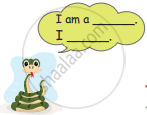
Name the animal and sound it makes.
Say Aloud
| dash | bash | splash | cash | trash |
| steer | tear | clear | deer | dear |
| shower | power | tower | flower | mower |
| poked | croaked | soaked | stroked | joked |
| wept | kept | crept | leapt | slept |
