Please select a subject first
Advertisements
Advertisements
निम्नलिखित पठित गद्यांश पढ़कर दी गई सूचनाओं के अनुसार कृतियाँ कीजिए-
| एक दिन साधु ने देखा कि घोड़ों-ऊँटों और बैलगाड़ियों का झुंड उसकी कुटी की तरफ चलता आ रहा है। मन में संदेह हुआ कि लोगों को उसकी असलियत का पता तो नहीं चल गया और ये सरकार के आदमी उसे पकड़ने चले आ रहे हैं। वह अभी यही सब सोच ही रहा था कि देखा, उस झुंड के आगे-आगे वही सेठ है। सेठ पास आया। उसने साधु को प्रणाम किया। गाड़ियों, घोड़ों, ऊँटों से, सोने-चाँदी के गहनों, मुहरों और जवाहरातों से भरे कलसे उतारे गए। देखते-देखते कुटी के सामने ढेर लग गया। सेठ ने साधु के चरण पकड़कर कहा- “महाराज, आपके उपदेशों से मुझे सच्चा ज्ञान प्राप्त हो गया है और इस संसार से मन फिर गया है। झूठ-कपट से मैंने जो धन कमाया है, वह सब मैं आपके चरणों में रख रहा हूँ। |
(1) संजाल पूर्ण कीजिए- (2)
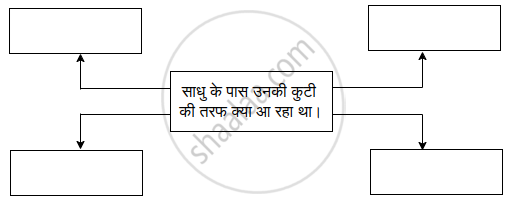
(2) (i) गद्यांश में प्रयुक्त शब्द युग्म की जोड़ी लिखिए। (1)
(ii) गद्यांश में प्रस्तुत विलोम शब्द की जोड़ी लिखिए: (1)
______ × ______
(3) साधु-सन्तों के स्वभाव के बारे में अपने विचार 25 से 30 शब्दों में लिखिए। (2)
Concept: undefined >> undefined
निम्नलिखित पठित गद्यांश पढ़कर दी गई सूचनाओं के अनुसार कृतियाँ कीजिए-
| 'चिड़ियाँ चहचहा उठीं। फिर समूह में फुर्र से उड़ी और आकाश में पंखों व स्वरों की एक लय बन गई, फिर वे लौट आईं। हाँ उनके आश्रय की तरह यह हरसिंगार का पेड़ कितना खुश हो रहा है। जैसे कह रहा हो, “आओ चिड़ियो, मेरी डाल-डाल पर फुदको और गाओ। आओ चिड़ियो अपने मीठे-मीठे स्वरों से मुझे नहलाओ।" मैंने देखा, हरसिंगार नये पत्तों और टहनियों से लद गया हैं। |
(1) कृति पूर्ण कीजिए- (2)
(i)

(2) (i) प्रत्यय लगाकार वाक्य फिर से लिखिए: (1)
पेड़ कितना खुश हो रहा है।
(ii) निम्नलिखित शब्दों के लिए गद्यांश में आए विलोम शब्द ढूँढ़कर लिखिए: (1)
- अप्रसन्न - ______
- कड़वे - ______
(3) चिड़ियों की चहचहाट पर अपने विचार 25 से 30 शब्दों में लिखिए। (2)
Concept: undefined >> undefined
Advertisements
निम्नलिखित पठित पद्यांश पढ़कर दी गई सूचनाओं के अनुसार कृतियाँ कीजिए-
|
नीलांबर परिधान हरित पट पर सुंदर है, |
(1) उचित जोड़ियाँ मिलाइये- (2)
| अ | आ |
| नीलांबर | प्रेम प्रवाह |
| सूर्य-चन्द्र | सुंदर |
| नदियाँ | रत्नाकर |
| निर्मल | अमृत |
(2) पहली दो पंक्तियों का सरल अर्थ 25 से 30 शब्दों में लिखिए। (2)
Concept: undefined >> undefined
निम्नलिखित पठित पद्यांश पढ़कर दी गई सूचनाओं के अनुसार कृतियाँ कीजिए-
| सेस, गनेस, महेस, दिनेस, सुरेसहु, जाहिं निरतर गावैं। जाहिं अनादि, अनंत, अखंड, अछेद, अभेद, सुबेद बतावैं।। नारद से सुक व्यास रटें, पचिहारे तऊ मुनि पार न पावैं।। ताहिं अहीर की छोहरियाँ, छछ्ठिया भरि छाछ पै नाच नचावैं।। |
(1) कृति पूर्ण कीजिए- (2)
(2) अंतिम दो पंक्तियों का सरल अर्थ 25 से 30 शब्दों में लिखिए। (2)
Concept: undefined >> undefined
निम्नलिखित पठित गद्यांश पढ़कर दी गयी सूचनाओं के अनुसार कृतियाँ कीजिए:
| आदमी: | महाराज की जय हो, महाराज आज-कल हवा में खुशबू नहीं होती। यह हर समय हमारे यहॉं बदबू फैलाती है। इसकी बदबू के कारण रहना मुश्किल हो गया है। |
| हवा: | महाराज, यह आरोप झूठा है। बदबू के कारण तो मेरा जीना कठिन हो गया है। अपने-आपमें मेरे पास न तो खुशबू है न बदबू। पहले ऐसा नहीं होता था। आज-कल ये लोग मरे हुए पशु-पक्षियों को यहॉं-वहॉं डाल देते हैं। उनके कारण मैं बदबूवाली हो जाती हूँ। इनके कारखानों से निकली गंदगी और गैसें मुझमें घुल जाती हैं और यह बदबू दूर तक फैलती रहती है। मुझे याद है कि एक बार भोपाल के एक कारखाने से निकली जहरीली गैस मुझपर सवार होकर दूर-दूर तक फैल गई थी और कितने ही लोग रात में सोए हुए ही मौत के मुॅंह में चले गए थे। इन लोगों से कहिए कि ये गंदगी के ढेर न लगाऍं, सफाई रखें। कचरे से कंपोस्ट खाद बनाएँ। |
(1) कारण लिखिए: [2]
हवा बदबूवाली होती है -
- ______
- ______
(2) (i) उपर्युक्त गद्यांश से अँग्रेजी शब्द दूँढ़कर लिखिए: [1]
- ______
- ______
(ii) गद्यांश से विलोम शब्द की जोड़ी ढूँढ़कर लिखिए: [1]
- ______ × ______
(3) 'बढ़ते हुए प्रदूषण को रोकने के उपाय' विषय पर 25 से 30 शब्दों में अपने विचार लिखिए। [2]
Concept: undefined >> undefined
निम्नलिखित पठित पद्यांश पढ़कर दी गयी सूचनाओं के अनुसार कृतियाँ कीजिए:
|
निर्मल तेरा नीर अमृत के सम उत्तम है, शुचि सुधा सींचता रात में, तुझपर चंद्र प्रकाश है। |
- उचित जोड़ियाँ लगाइए: (2)
'अ' उत्तर 'ब' (i) निर्मल ............ दृश्य (ii) शीतल ............ मखमल (iii) षड्ऋतु ............ पवन (iv) हरियाली ............ नीर - प्रथम चार पंक्तियों का सरल अर्थ 25 से 30 शब्दों में लिखिए। (2)
Concept: undefined >> undefined
‘व्यवहार से संस्कार छलकते हैं’, इस विधान काे सोदाहरण स्पष्ट कीजिए।
Concept: undefined >> undefined
निम्नलिखित परिच्छेद पढ़कर इसपर आधारित ऐसे चार प्रश्न तैयार कीजिए. जिनके उत्तर एक-एक वाक्य में हों:
| “कोई काम छोटा नहीं। कोई काम गंदा नहीं। कोई भी काम नीचा नहीं। कोई काम असंभव भी नहीं कि व्यक्ति ठान ले और ईश्वर उसकी मदद न करे। शर्त यही है कि वह काम, काम का हो। किसी भी काम के लिए ‘असंभव’, ‘गंदा’ या ‘नीचा’ शब्द मेरे शब्दकोश में नहीं है।” ऐसी वाणी बोलने वाली मदर टेरेसा को कोढ़ियों की सेवा करते देखकर एक बार एक अमेरिकी महिला ने कहा, “मैं यह कभी नहीं करती।” मदर टेरेसा के उपरोक्त संक्षिप्त उत्तर से वह महिला शर्म से सिकुड़ गई थी। सचमुच ऐसे कार्य का मूल्य क्या धन से आँका जा सकता है या पैसे देकर किसी की लगन खरीदी जा सकती है? यह काम तो वही कर सकता है, जो ईश्वरीय आदेश समझकर अपनी लगन इस ओर लगाए हो। जो गरीबों, वंचितों, जरूरतमंदों में ईश्वरीय उपासना का मार्ग देखता हो और दुखी मानवता में उसके दर्शन करता हो। ईसा, गांधी, टेरेसा जैसे परदुखकातर, निर्मल हृदयवाले लोग ही कोढ़ियों और मरणासन्न बीमारों की सेवा कर सकते हैं और ‘निर्मल हृदय’ जैसी संस्थाओं की स्थापना करते हैं। |
Concept: undefined >> undefined
‘रंगों का जीवन में बड़ा महत्त्व है’ उदाहरण सहित स्पष्ट लिखिए।
Concept: undefined >> undefined
‘कला अभिव्यक्ति का माध्यम है’ अंतरजाल की सहायता से इसकी जानकारी इकट्ठा कर पढ़िए।
Concept: undefined >> undefined
मुद्दों के आधार पर कहानी लेखन कीजिए:
एक हंस और एक कौए में मित्रता - हंस का कौए के साथ उड़ते जाना - कौए का दधिपात्र लेकर जाने वाले ग्वाले को देखना - ललचाना - कौए का दही खाने का आग्रह - हंस का इनकार - कौए का घसीटकर ले जाना - कौए का चोंच नचा - नचाकर दही खाना - हंस का बिलकुल न खाना - आहट पाकर कौए का उड़ जाना - हंस का पकड़ा जाना - परिणाम - शीर्षक।
Concept: undefined >> undefined
‘कलादीर्घा (आर्ट गैलरी) में बिताए हुए समय’ का अपना अनुभव अपने मित्रों को बताइए।
Concept: undefined >> undefined
विधान के सामने सही अथवा गलत लिखिए:
शोभा सिंह ने ‘सत्यम्, शिवम्, सुंदरम्’ का क्रम बदला है। ...............
Concept: undefined >> undefined
विधान के सामने सही अथवा गलत लिखिए:
प्रश्नकर्ता के अनुसार हमारी धरती का यथार्थ बहुत भयानक नहीं है। ...........
Concept: undefined >> undefined
विधान के सामने सही अथवा गलत लिखिए:
कलाकार की शक्ति उसके चिंतन में है। .........
Concept: undefined >> undefined
विधान के सामने सही अथवा गलत लिखिए:
शोभा सिंह कलाकार का कर्म एक छोटी-सी जलती हुई मोमबत्ती नहीं समझते।
Concept: undefined >> undefined
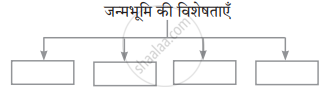
कृति पूर्ण कीजिए:
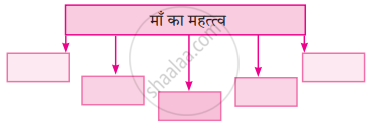
Concept: undefined >> undefined
