Advertisements
Advertisements
प्रश्न
Collect photographs of typical rural houses and clothing of people from different regions of India. Examine whether they reflect any relationship with the climatic condition and relief of the area.
Advertisements
उत्तर
Housing:
Desert areas-
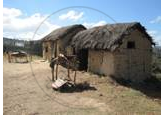
The climate in the deserts is extreme. The summers are very hot and dry. Sandstorms are common in this season. Water becomes scarce and in many places, there is a severe drought. Most places receive little or no rainfall.
North-eastern areas-
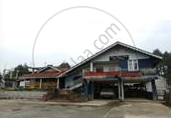
Northeast is not a single unit. It consists of 7 states with people belonging to diverse cultures, ethnic groups, and religions. A person living in Assam will have a very different lifestyle from an individual living in Manipur. Life in the cities and small towns is different from life in far-flung villages. However, there’s one characteristic in most Northeastern states that is common and that is simplicity.
South India:
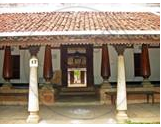
Different states of South India have different cultures. Different states have their own festivals, dance forms, and food preferences. The climate, however, is similar in these states due to their close geographical proximity.
Clothing:
- You might find in Rajasthan, people wearing loose cotton clothes as day experiences real hot weather and night experiences real chilly weather, and people at nightwear warm clothes.
- In Jammu and Kashmir, people experience cold all time and so their dresses are designed likewise to avoid chillness.
- Chennai and places like Bangalore experience moderate climate so they wear cotton or synthetic clothes. (type of clothing style changes from season to season in these areas)
संबंधित प्रश्न
Choose the right answer from the alternative given below.
Monsoon arrives in India approximately in
Give reason as to why.
Parts of Rajasthan, Gujarat and the leeward side of the Western Ghats are drought-prone.
Compare the climates of Brazil and India.
The Predominant soil in the coastal plains and north Indian Plains is ______.
Match the following.
| 1. | WesternGhats, karnataka | Alpine forest |
| 2. | Great Plains- Punjab | Tidel forest |
| 3. | East Rajasthan, Haryana | Tropical Evergreen Forest |
| 4. | Eastern Part of Himalayas | Tropical Deciduous forest |
| 5. | Ganga- Brahmputra | Tropical Dry forest |
The mighty ______ in the north play a vital role in influencing the climate of India.
The Himalayas act not only as physical barrier but also as ______.
Distinguish between:
Climate of India and the climate of Brazil
Find out which songs, dances, festivals and special food preparations are associated with certain seasons in your region. Do they have some commonality with other regions of India?
Mark the following in the outline map of India supplied to you. Write the names. Give Index
- Sikkim
- Lakshadweep Island
- Chennai Port
- Mineral oil refineries in Assam-Digboi
- Any one southern state with high density of population
- Tropic of Cancer
