Topics
Unit I Physical Environment
Locational Setting of India
- Locational Setting: Area, Latitudinal and Longitudinal Extent of India
- Importance of India's Location
- Comparison with China
- Comparison with Australia
- Overview of Locational Setting of India
Scales
- Conversion Between Statement of Scale and Representative Fraction (R.F.)
- Overview of Scales
- Construction of Graphical Scale
Representation of Relief
- Methods of Representing Relief on Maps
- Representation of Slopes by Contours
- Overview of Representation of Relief
Geological Evolution and Structure
- Geological History
- Difference between the Peninsular Plateaus and the Himalayan Mountains
- Geological Formations of India
- Overview of Geological Evolution and Structure
Unit II Population and Human Settlements
Unit III Resources of India and Their Utilisation
Relief
- The Himalayan Mountain Complex
- Western Himalayas VS Eastern Himalayas
- Regional Divisions of the Himalayas
- Significance of the Himalayas
- The Indus-Ganga-Brahmaputra Plain
- Comparison of Plains in Northern India
- Regional Divisions of the Plain
- Significance of the Plain
- Physical Division of India > The Peninsula
- Western Ghats VS Eastern Ghats
- Physical Division of India > The Peninsula
- Physical Division of India > The Coastal Plains
- Physical Division of India > The Island Group
- Overview of Relief
Study and Interpretation of Topographical Maps
- Topographical Maps
- Development of Topographical Maps in India
- Nomenclature and Numbering of Topographical Sheets
- Summary of Topo-Sheets Published by Survey of India
- Conventional Signs and Symbols used in Topographical Maps
- Interpretation of Topographical Maps
- Study and Interpretation of Some Selected Topographical Maps
- Transport
- Nature of Occupation
- Geographical Interpretation of Topographical Map Sheet No. 53H/3
- Overview of Study and Interpretation of Topographical Maps
Geographical Information System (GIS)
- Spatial Information Technology
- Components of GIS
- Spatial Data Formats
- Sequence of GIS Activities
- Overview of Geographical Information System (GIS)
Unit IV Infrastructural Resources
- Types of Transport > Railways
Drainage
- Evolution of the Indian River System
- The Himalayan River System
- The Peninsular Rivers
- Differences between the Himalayan and the Peninsular River Systems
- Overview of Drainage
Climate
- Factors Affecting India's Weather and Climate
- The Concept of Monsoon
- Mechanism of Monsoon
- Indian Monsoonal Regime
- The Rhythm of Seasons
- Annual Rainfall
- Incidence of Drought and Floods
- Temperature and Rainfall Graphs
- Overview of Climate
Unit V Regional Economic Development
Remote Sensing
- Introduction to Remote Sensing
- Electromagnetic Spectrum and Energy
- Zones of Remote Sensing
- Application of Remote Sensing in Geography
- Application of Remote Sensing in India
- Geology and Mineral Resources
- Overview of Remote Sensing
Surveying
- Concept of Surveying
- Types of Survey
- Plane Table Survey
- Methods of Plane Table Survey
- Advantages and Disadvantages of Plane Table Survey
- Overview of Surveying
Natural Vegetation
- Introduction of Natural Vegetation
- Major Types of Vegetation in India
- Impact of Human Activity on Vegetation
- Development of Forestry
- Forest Policy and Law
- Forest Conservation
- Overview of Natural Vegetation
Practical Work and Project Report
Population
- India's Population Compared with Other Major Countries
- Census of Population
- Distribution of Population in India
- Density of Population
- Index of Concentration
- Growth of Population: Basic Concepts
- Overview of Population
Project Work
- Importance of Field Work in Geography
- Outline or Planning for the Field Work
- Stages of Survey
- Overview of Project Work
Migration Trends
- Basic Concept of Migration Trends
- Types of Migration
- Out-Migration
- In-Migration
- Consequences of Migration
- Migration Streams
- Overview of Migration Trends
Demographic Attributes
- Concept of Demographic Attributes
- Rural-Urban Population
- Urbanisation in India
- Sex Composition
- Age Composition
- Literacy
- Working Population
- Occupation
- Overview of Demographic Attributes
Rural Settlements
- Settlments
- Types of Settlements
- Concept of Rural Settlements
- Factors Determining the Types of Rural Settlements
- Distribution of Rural Settlements in India
- Settlement Patterns in India
- Types and Patterns of Rural Settlements in India
- Overview of Rural Settlements
Urban Settlements
- Concept of Urban Settlements
- Factors Influencing Location and Growth of Urban Centres in India
- Problems Resulting from the Growth of Large Cities
- Urbanisation in India
- Metropolization (or Metropolitanization)
- Overview of Urban Settlements
Environmental Management and Land Use Pattern
- Need for Environmental Management Concerning Development
- Land Use Pattern in India
- Overview of Environmental Management and Land Use Pattern
Water Resources and Types of Irrigation
- Water Resources of India
- Water Demand and Utilisation
- Emerging Water Problems
- Conservation of Water Resources
- National Water Policy of India-2002
- Irrigation
- Means of Irrigation
- Primitive Methods
- Modern Methods
- Dangers of Overwatering
- Overview of Water Resources and Types of Irrigation
Agriculture
- Wet and Dry Agriculture
- Crop Rotation
- Crop Combination
- Cropping Intensity
- Problems of Indian Agriculture and Their Solution
- Uses of Technology in Agriculture (Modern Inputs)
- Scope of the Green Revolution
- Impact of the Green Revolution
- Demerits or Problems of the Green Revolution
- Suggestions For the Stability of the Green Revolution
- Crop Seasons
- Major Crops: Food Crops
- Major Crops: Commercial and Industrial Crops
- Market Gardening
- Overview of Agriculture
Fisheries
- Introduction to Fisheries
- Fish Production in India
- Marine Fisheries
- Fresh Water or Inland Fisheries
- Programme for the Development of Fisheries
- Fishing in Japan
- Fishing in Bangladesh
- Types of Fishing
- Fishing Grounds
- Fish Conservation
- Overview of Fisheries
Minerals and Power Resources
- Minerals
- Distribution of Minerals in India
- Metallic Minerals (Ferrous)
- Power Resources
- Conventional Sources of Energy
- Oil and Natural Gas
- Power Generation in India
- Nuclear Power
- Non-Conventional Sources of Energy
- Overview of Minerals and Power Resources
Transport and Communication
- Transport
- Types of Transport > Railways
- Types of Transport > Roadways
- Classification of Roads
- Water Transport
- Air Transport
- Pipelines
- Harbours and Ports
- Communication
- Personal Communication
- Telecommunication
- Geographic Information System (GIS)
- Mass Communication
- Importance of Infrastructure as Key to the Development of Industrial Economy
- Overview of Transport and Communication
Industries
- Introduction to Industries
- Types of Industries
- Industrial Clusters
- Factors Affecting The Location Of Industries
- Agro-Based Industries
- Agro-Based Industries > Sugar Industry
- Agro-Based Industries > Cotton Textile Industry
- Readymade Garments
- Mineral Based Industries
- Iron and Steel Industry
- Aluminium Smelting
- Cement Industry
- Transport Equipment
- Overview of Industries
Tourism Industry
- Concept of Tourism Industry
- Growth of Tourism in India
- Employment Opportunities in Tourism
- Places of Tourist Interest
- Tourism and Environment
- Overview of Tourism Industry
Regional Economic Development (Case Studies)
- Development: Meaning and Perspectives
- Multi-Level Planning
- Chhattisgarh Regions
- Electronics Industry in Bangaluru
- Growth of Haldia Port
- Overview of Regional Economic Development (Case Studies)
Notes
Settlement Patterns in India
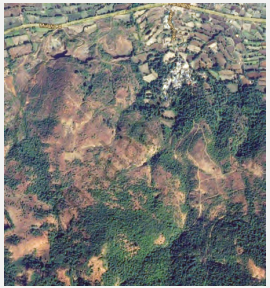
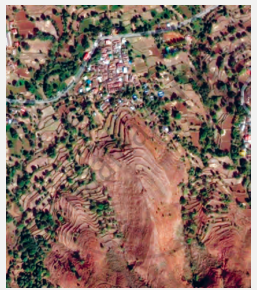
- Given the variety of climatic factors, water availability, land slope, and level of development, we can see a variety of settlement patterns in India.
- Usually there are two kinds of settlement patterns in India. These are nucleated and dispersed settlement.
Nucleated Settlement
|
Nucleated Settlements |

- Settlement where buildings or houses are grouped or clustered around a central point or nucleus is known as nucleated settlements.
- Nucleated settlements can be found throughout the Narmada Valley plateau region, paddy lands in Bihar, Uttar Pradesh, the Vindhyan Plateau, and other cultivated areas of India.
Dispersed Settlements
|
Dispersed Settlement |

- Settlement where buildings or houses are scattered or dispersed, is known as a dispersed settlement.
- Dispersed settlements, on the other hand, are found in tribal areas covering the central part of India, eastern and southern Rajasthan, Himalayan slopes, and land with dissected and uneven topography.
Example
Some amenities and facilities are given here. Tick (✓) in the relevant column and complete the table on the basis of their presence in urban and rural areas or both. And write five sentences on each with examples from your vicinity.
| Amenity | Available in Villages |
Available in cities |
Explanation |
| Petrol Pump | |||
| Theatre | |||
| Weekly Market | |||
| Primary Health centre |
|||
| Police Outpost | |||
| Art Gallery | |||
| Gram Panchayat | |||
| Agricultural Produce Market Committee (APMC) |
|||
| Primary School | |||
| Senior School | |||
| College | |||
| Shop | |||
| Multi-speciality Hospital |
|||
| Metro Station | |||
| Bus Station | |||
| University |
| Amenity | Available in Villages |
Available in cities |
Explanation |
| Petrol Pump | ✓ | ✓ | A petrol pump is one of the most basic facilities in both rural and urban areas. In both rural and urban Bhandara, there are petrol pumps run by the government and private agencies. Nearly all the pumps are situated near the highways. Indian Oil, Reliance and HP are the major service providers. |
| Theatre | ✓ | Built in cities to accommodate enormous populations and high demand. Requires costly commercial setups such as multiplexes within malls. Rural locations lack the enormous audience base required to maintain themselves. | |
| Weekly Market | ✓ | This facility is the majority found in the rural area. There are over 100 weekly markets in the district. These markets provide all kinds of necessities to the people. Amangaon and Lakhanpur are the largest cattle markets. Mostly agricultural commodities and other basic goods are sold in these markets. It is very rarely found in the urban areas of Bhandara. | |
| Primary Health centre |
✓ | ✓ | A health centre is one of the most basic facilities in both rural areas and urban areas. In the rural areas, there are PHCs in Shahapur, Amangaon and many other sub-centres run by the Panchayats. In urban areas, there are many medical facilities, but the number of PHCs is limited. |
| Police Outpost | ✓ | ✓ | Police outposts and stations are one of the most basic facilities in rural areas. Both the rural and urban areas have many police stations. There is a major Rural police station in Bhandara rural. In the urban areas, there are the offices of the SP, DySP and other officials. Besides this, there are many police control rooms in the district. |
| Art Gallery | ✓ | Neither rural nor urban Bhandara has a famous art gallery. The nearest art gallery in Mauda, about 1 hour from Bhandara. There are many production centres, art centres and galleries in Mauda. Some of them are the Sachi gallery, the Gayatri art, and the Numismatics gallery. Also, the area does not have any museums or other cultural centres. | |
| Gram Panchayat | ✓ | This is mainly found in the rural Bhandara. The area has about 7 Gram Panchayats in the Bhandara, Lakhandur, Lakhani, Mohadi, Pauni, Sakoi and Tumsar blocks. All the major decisions regarding the development of the villages, weekly markets and other facilities are taken in the panchayat meetings. | |
| Agricultural Produce Market Committee (APMC) |
✓ | APMC is mainly found in the rural areas of Bhandara. There are 5 APMCs in the district in Bhandara, Lakhandur, Lakhani, Pauni and Tumsar. It is constituted by the state government for regulating the trade in specific agricultural, horticultural and livestock products. Wheat, Paddy, gram and peas are some of the crops covered by the APMC in Bhandara. | |
| Primary School | ✓ | ✓ | Schools are one of the most basic facilities in both rural and urban areas. There are many Playschools and primary schools in the nearby Bhandara. Many of them are operated by private individuals. Many Playschools like Bachpan, Eurokids, Meghe and other primary schools like Maharshi Vidya Mandir and Royal Public School operate in the area. |
| Senior School | ✓ | ✓ | Schools are one of the most basic facilities in both rural and urban areas. There are many senior secondary schools in the nearby Bhandara. Many of them are operated by private individuals. Some of them are the Maharshi Vidya Mandir, Sunflag School, Shri Satyanarayana Mandal and Royal Public School. |
| College | ✓ | Colleges are one of the most basic facilities in both rural and urban areas. The number of colleges in the rural areas of Bhandara is very limited. The urban areas have a number of private and government colleges providing arts and technical degrees. Govt College of Education, Govt. ITI, Dr Milind Yerne College, J M Patel College, Vidyaniketan College, Vidharbha College are some of them. | |
| Shop | ✓ | ✓ | A shop is one of the most basic facilities in both rural and urban areas. Both the rural and urban areas have many shops selling a variety of commodities. The rural areas also have many weekly markets. The number of supermarkets and other departmental stores in rural areas is very limited. The urban areas of Bhnadara have some supermarkets and small shopping malls. |
| Multi-speciality Hospital |
✓ | Hospitals are one of the most basic facilities in both rural and urban areas. The number of hospitals in the rural areas of Bhandara is very limited. The urban areas have a number of private and government multi-speciality hospitals. City Care, Lakh and Smile multi-speciality hospitals are some of the private hospitals. District General Hospital is the government hospital in the area. | |
| Metro station | ✓ | Railways are one of the most basic facilities in both rural and urban areas. There are no metro stations in the Bhandara area. But in May 2018, the Maharashtra Metro Rail Corporation and the Indian Railway decided to extend the Nagpur Metro route to Katol, Wardha, Ramtek and Bhandara. Currently, the Bhandara Road railway station serves the area's rail transportation needs. | |
| Bus station | ✓ | ✓ | Railways are one of the most basic facilities in both rural and urban areas. There are many bus services provided by the state government and private agencies. Government bus depots are present in both rural and urban areas. Bhandara, Tirora, Gondiya, Pauni, Sakoli and Tumsar are the major bus stands in the region. All these areas also have respective bus depots. |
| University | ✓ | Universities are one of the most basic facilities in both rural and urban areas. The number of Universities in the rural and urban areas of Bhandara is very limited. The nearby cities have a number of private and government colleges providing arts and technical degrees. Mahatma Gandhi Central University, Ambedkar Technological University, Animal and Fisheries University and University of Health Sciences are some of the government universities. |
Example
Tell whether settlements shown in images (a) and (b) are urban or rural.
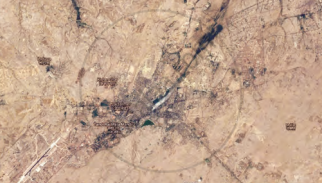 (a) |
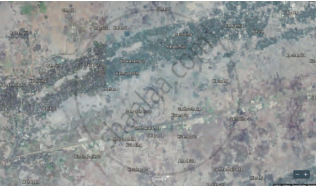 (b) |
The settlements depicted in both images are rural settlements. Both areas are depicted as having no proper facilities, buildings, or skyscrapers in the cities. Both of them are even devoid of proper road facilities.
The area is shown in figure:
- Figure (a) is a very interior deserted area. There are no signs of human habitation in the area.
- The area shown in Figure (b) has a small patch of greenery in the vicinity. There are a few settlements in the area, most of which are very scattered. Thus, the areas depicted are rural areas that are away from the main cities.
Example
Study the two types of settlement patterns in India given in figures (a) and (b). Answer the following questions:
(a) |
(b) |
- Identify the type of settlements.
- Which one is a nucleated settlement? why?
- Which one is a dispersed settlement? What could be the reason behind it?
- Can you guess in which regions are these settlements located in India?
- Fig ‘a.’ settlement type is nucleated, and Fig. ‘b.’ settlement type is linear and dispersed.
- Fig.‘a.’ shows the nucleated settlement because it is a cultivated land with a centrally located water body.
- In Fig. ‘b.’, a dispersed settlement is observed due to unsuitable topography.
- Settlement in Fig. ‘a.’ is located in the river basin, and settlement in Fig. ‘b.’ may be in a desert or an inaccessible area.
Maharashtra State Board: Class 10
Key Points: Settlement Patterns in India
- Settlement patterns in India vary due to climate, water availability, land slope, and development.
- Nucleated settlements are found in fertile areas like the Narmada Valley, Bihar, and Uttar Pradesh.
- These areas support agriculture, especially paddy farming.
- Dispersed settlements occur in tribal regions, eastern and southern Rajasthan, and the Himalayas.
- These regions have uneven land and low soil fertility, leading to scattered homes.