Advertisements
Advertisements
Question
What kinds of books did Don Quixote like to read? What were those books like?
Advertisements
Solution
Don Quixote liked to read stories about courageous knights and their adventures. These books described the exciting adventures and romances of knights.
APPEARS IN
RELATED QUESTIONS
Discuss in pairs.
1. Which is your favourite festival?
2. When do you celebrate it?
3. Do you celebrate with your family or friends?
4. Why do you celebrate it?
What did Aunt Polly do to relieve Tom’s toothache?
Tom was miserable on Monday morning because ______
Give a relationship term for the clues given.
| 1. | siblings | |
| 2. | kith and kin | |
| 3. | a chip of the old block | |
| 4. | two peas in a pod | |
| 5. | breadwinner | |
| 6. | forefathers |
Arrange the words according to their degrees of meaning.
eager, thrilled, excited
______, ______, ______
Draw a design of a boat that skims trash off the surface of a river, lake, or ocean. Label the parts and give your invention a catchy name.
- What kind of vessel could do the job?
- What parts would it have?
- How would it move?
- How could it tell the difference between trash and other objects, such as animals and seaweed?
- How would it store and dump the trash?
- Could your machine double as a beach sweeper, sifting trash from sand?
How was Neerja honoured by various governments?
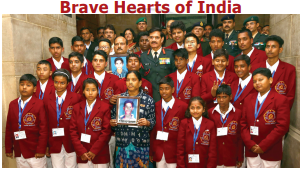
Look at the picture. Browse the internet with the help of your teacher to get information about the little brave hearts of India. Search for similar brave hearts in your locality. Download the nomination form for National Bravery Award. Read the instructions and fill the nomination for NBA.
What are the basic human rights?
What is education?
