Advertisements
Advertisements
Question
What do you understand by the term Non-Cooperation?
Advertisements
Solution
For the smooth functioning of any government, the willing co-operation of the people is essential. The strategy of not extending such co-operation to the government for the goodwill of the people of the country is Non-Cooperation movement.
APPEARS IN
RELATED QUESTIONS
Mention the reason, why Gandhiji in his struggle for freedom evolve the method of non-violence?
Name the title that was awarded to Gandhiji for his services to the British Empire during World War I.
Why was the Rowlatt Act (1919) passed?
Why is the Khilafat Movement significant in the history of the National Movement?
Briefly state, how Gandhiji introduced moral values into politics?
Give two examples to show that Gandhiji showed concern for the poor and the oppressed.
In what way did Gandhiji involve Indian masses in the National Movement? In this respect, how did he differ from the Moderates?
What did the Khilafat Movement consist of?
Name any three leading figures who participated in the Non-Cooperation Movement:
Answer the following:
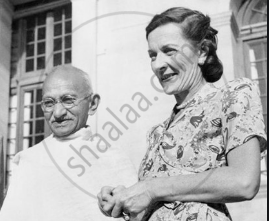
(i) Identify the male personality in the given picture.
(ii) Mention four ideological tenets of this Indian leader.