Advertisements
Advertisements
Question
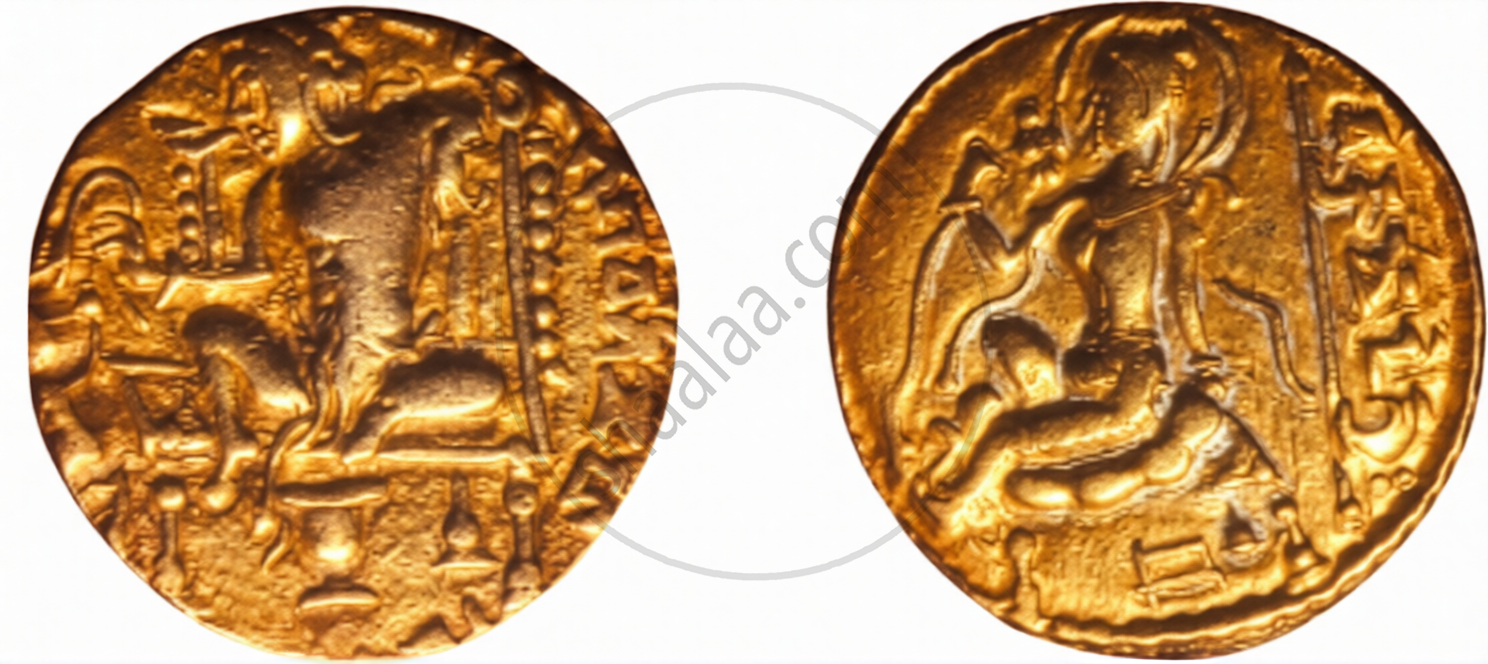
What are the transactions involved in trade? Which of these transactions are apparent from the sources mentioned? Are there any that are not evident from the sources?
Activity
Advertisements
Solution
- In any commercial system, trade involves a series of fundamental transactions, as follows:
- Sourcing & Production: Gathering raw materials, harvesting crops, or manufacturing goods.
- Inland Transport: Moving goods from manufacturing centres to coastal ports or urban market hubs.
- Exchange (Import & Export): Swapping local commodities for foreign goods or currency.
- Taxation: Paying customs duties, tolls, or tributes to local rulers or port authorities.
- The transactions which are apparent from the sources mentioned are as follows:
- Direct Exporting: The text clearly states that foreign traders send large ships to acquire massive quantities of local black pepper, fine pearls, ivory, silk cloth, and diamonds.
- Direct Importing: The source highlights the exchange transaction where foreigners bring in a great quantity of coin, topaz, crude glass, copper, tin, and lead.
- Inland Supply Networks: The reference to Kodumanal’s bead-making industry shows local merchants transporting finished stones from manufacturing sites to coastal ports.
- There are transactions which are not evident from the sources, as follows:
- Bargaining and Pricing: The source does not mention the exact exchange rates, monetary values, or how prices were negotiated between local and foreign merchants.
- State Taxation: It doesn’t detail the local rulers’ transactions, such as the collection of port duties, customs fees, or protection money.
- Inland Barter vs Currency: While foreign trade clearly used Roman coins, the text does not reveal whether local inland transactions (between Kodumanal and the coast) used coins or a barter system.
shaalaa.com
Is there an error in this question or solution?
