Advertisements
Advertisements
Question
Renaissance was a period of intellectual activity. In this context, write a short note on William Shakespeare
Advertisements
Solution
William Shakespeare: He was an English poet, playwright, and actor, who is widely regarded as the greatest writer in the English language and the world’s pre-eminent dramatist. He is often called England’s national poet and the ‘Bard of Avon’. He wrote 38 plays, 154 sonnets, two long narrative poems, and a few other verses. With the exception of Romeo and Juliet, Shakespeare’s first plays were mostly historical dramas like Richard II, Henry VI, and Henry V. He also wrote several comedies during his early period: A Midsummer Night’s Dream, Much Ado About Nothing. As You Like It and Twelfth Night. It was only after 1600, that he wrote tragedies like Hamlet, King Lear, Othello, and Macbeth. Shakespeare’s work transcends culture and history. He appeals to emotions and thoughts that are a part of eternal human nature and therefore, have a universal appeal.
APPEARS IN
RELATED QUESTIONS
Name two famous sculptors of Italy.
The Renaissance artists tried to put life in canvas and stone. Describe their achievements in the fields of Painting
The Renaissance artists tried to put life in canvas and stone. Describe their achievements in the fields of Architecture
Mention the impact of the Renaissance in the field of English literature.
Renaissance artists tried to depict life on canvas and stone. With reference to this statement, describe the following:
Progress in the art of painting
Renaissance was a period of intellectual activity. In the context, write briefly on the impact of Renaissance on Science under the following heads:
Progress in mathematics.
Mention the contribution of Michel Angelo in the field of sculpture.
What do you understand by the term ‘Renaissance’?
Study the picture given below and answer the following question:
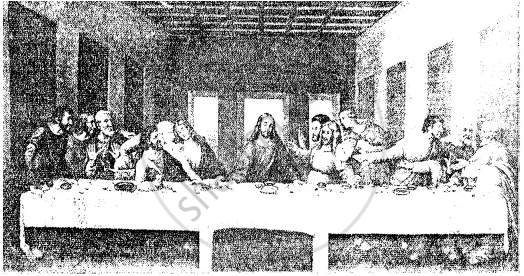
Write short notes on the artist who made this painting.
The Renaissance was a period of great intellectual activity. Given an account of the outstanding work of the following writer:
Francis Bacon
