Advertisements
Advertisements
Question
Match the following:
| Column A | Column B |
| 1. Earthquake | a. Dykes and embankments |
| 2. Floods | b. Extinguisher |
| 3. Droughts | c. Drop, cover, hold |
| 4. Fire | d. Rainwater harvesting |
Match the Columns
Advertisements
Solution
| Column A | Column B |
| 1. Earthquake | c. Drop, cover, hold |
| 2. Floods | a. Dykes and embankments |
| 3. Droughts | d. Rainwater harvesting |
| 4. Fire | b. Extinguisher |
shaalaa.com
Natural and Manmade Disasters
Is there an error in this question or solution?
APPEARS IN
RELATED QUESTIONS
Fill in the blanks
Cyclones are ______ areas that occur over warm ocean waters of temperate and tropical regions.
State whether the following are true or false
Oil spills harm marine life.
State whether the following are true or false
West Bengal is most vulnerable to floods.
What is a drought?
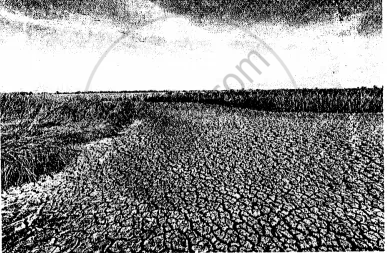
Is it man-made or natural?
What are an earthquakes effects?
What causes travel-related disasters?
Fill in the blanks
______ lead to acute shortage of water and crop failure.
Fill in the blank:
Unlike most of the other natural disasters, a ________ is not a sudden occurrence.
Fill in the blank:
_________ is the process of collecting and storing rainwater for future use.
