- Growth refers to an increase in physical size, such as height and weight, while development refers to overall improvement in abilities and behaviour.
- Growth is quantitative (measurable), whereas development is qualitative (skills, thinking, emotions).
- Both growth and development are continuous and closely related processes.
- Growth supports development, and development adds meaning through learning and maturity.
- Development includes physical, cognitive, emotional, and social aspects.
- Factors like heredity, environment, family, and peers influence growth and development.
- Proper care, nutrition, and social interaction help healthy growth and development.
Topics
Data – Its Source and Compilation
- What is Data?
- Need of Data
- Presentation of Data
- Sources of Data
- Sources of Data - Primary
- Sources of Data - Secondary
- Tabulation and Classification of Data
- Data Compilation and Presentation
- Processing of Data
- Grouping of Data
- Process of Classification
- Overview of Data – Its Source and Compilation
Fundamentals of Human Geography
Population : Distribution, Density, Growth and Composition
- Distribution of Population in India
- Density of Population
- Regional Variation in Population Growth
- Population Composition
- Promoting Gender Sensitivity
- Overview of Population : Distribution, Density, Growth and Composition
Human Geography - Nature and Scope
- Introduction to Human Geography Nature and Scopes
- Nature of Human Geography
- Scopes of Human Geography
- Overview of Human Geography - Nature and Scope
India - People and Economy
Human Settlements
- Human Settlements
- Concept of Rural Settlements
- Types of Rural Settlements
- Concept of Urban Settlements
- Urbanisation in India
- Overview of Human Settlements
The World Population - Distribution, Density and Growth
- The World Population - Distribution, Density and Growth
- Patterns of Population Distribution in the World
- Density of Population
- Factors Influencing the Distribution of the Population
- Doubling Time of World Population
- Spatial Pattern of Population Change
- Impact of Population Change
- Theories of Population Growth
- Population Control Measures
- Overview of The World Population - Distribution, Density and Growth
Data Processing
- Mode
- Comparison of Mean, Median and Mode
- Methods of Measuring Dispersion
- Rank Correlation
- Direction of Correlation
- Method of Calculating Correlation
- Degree of Correlation
- Overview of Data Processing
Graphical Representation of Data
- General Rules for Drawing Graphs, Diagram and Maps
- Construction of Diagrams
- Classification of Thematic Maps Based on Method of Construction
- Overview of Graphical Representation of Data
Human Development
- Concept of Human Development
- Growth and Development
- Four Pillars of Human Development
- Approaches of Human Development
- Measuring Human Development
- International Comparisons
- Overview of Human Development
Geography Practical II
Land Resources and Agriculture
- Land Resources and Agriculture
- Land Uses Categories
- Land Use Changes in India
- Common Property Resources
- Agriculture Land Use in India
- Agricultural Development in India
- Problems of Indian Agriculture
- Overview of Land Resources and Agriculture
Water Resources
- Concept of Water Resources
- Water Resources of India
- Deterioration of Water Quality
- Water Conservation Practices > Watershed Management
- Overview of Water Resources
Primary Activities
- Introduction to Primary Activities
- Hunting and Gathering
- Pastoralism
- Agriculture
- Mining
- Overview of Primary Activities
Spatial Information Technology
- Spatial Information Technology
- Geographical Information System (GIS)
- Advantage of GIS Over Manual Methods
- Components of GIS
- Spatial Data Formats
- Sequences of GIS Activities
- Overview of Spatial Information Technology
Mineral and Energy Resources
- Mineral and Energy Resources
- Types of Minerals in India
- Distribution of Minerals in India
- Conservation of Minerals
- Overview of Mineral and Energy Resources
Secondary Activities
- Introduction to Secondary Activities
- Manufacturing
- Household Industries Or Cottage Manufacturing
- Industries Based on Ownership
- Overview of Secondary Activities
Planning and Sustainable Development in Indian Context
Tertiary and Quaternary Activities
- Tertiary and Quaternary Activities
- Types of Tertiary Activities
- People Engaged in Tertiary Activities
- Some Selected Examples
- Quaternary Activities
- Quinary Activities
- The Digital Divide
- Overview of Tertiary and Quaternary Activities
Transport and Communication
- Communication
- Transport
- Mode of Transport
- Water Transport
- Air Transport
- Pipelines
- Overview of Transport and Communication
Transport and Communication
- Communication
- Land Transport
- Oil and Gases Pipelines
- Communication Networks
- Overview of Transport and Communication
International Trade
- Concept of Trade
- History of International Trade
- Gateway of International Trade
- Overview of International Trade
International Trade
- Concept of Trade
- Changing Pattern of the Composition of India's Exports
- Changing Patterns of the Composition of India's Import
- Sea Ports as Gateways of International Trade
- Air Routes of International Trade
- Overview of International Trade
Geographical Perspective on Selected Issues and Problems
- Urban Waste Disposal
- Rural-urban Migration
- Problems of Slums
- Land Degradation
- Overview of Geographical Perspective on Selected Issues and Problems
Estimated time: 13 minutes
- Introduction
- Meaning of Growth
- Meaning of Development
- Relationship between Growth and Development
- Factors Affecting Growth and Development
- Real-Life Application
- Key Points: Growth and Development
CISCE: Class 12
Introduction
Growth and development are continuous processes in every human’s life. Growth refers to the increase in size or physical change, while development includes all-around improvement in mental, emotional, social, and intellectual abilities. In short, growth can be measured in units like height or weight (quantitative), while development means qualitative improvement in behaviour, learning, and maturity.
CISCE: Class 12
Meaning of Growth
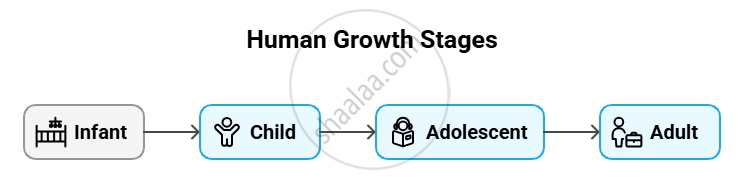
- Growth means an increase in body size, height, weight, or organ size.
- It is a quantitative process — something that can be measured.
- Example: A child growing taller or gaining weight every year shows growth.
CISCE: Class 12
Meaning of Development
- Development is a continuous and lifelong process.
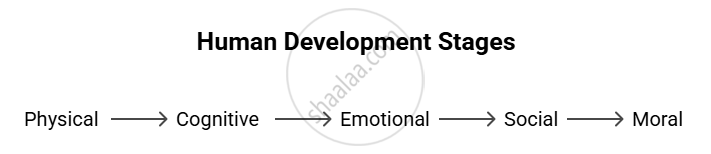
- It includes physical, mental, emotional, and social growth.
- It refers to qualitative changes—how a person learns, feels, behaves, and adapts.
- Example: A child learning to speak, reason, or cooperate with others reflects development.
CISCE: Class 12
Relationship between Growth and Development
- Both are interrelated.
- Growth supports development by giving a strong body and brain.
- Development helps make growth meaningful by adding new skills and understanding.
- Example: As a child’s brain grows (growth), their ability to think, learn, and remember improves (development).
CISCE: Class 12
Factors Affecting Growth and Development
- Heredity – Genes inherited from parents influence height, body type, and intelligence.
- Environment – Nutrition, care, education, and living conditions impact overall development.
- Family and Siblings – Emotional support and relationships teach sharing and responsibility.
- Peer Group – Friends help in learning cooperation, leadership, and social behavior.
- Socio-Economic Conditions – Access to healthcare and good education enhances growth and development.
CISCE: Class 12
Real-Life Application
- Physical Growth: A teenager is becoming taller and stronger due to hormonal changes.
- Cognitive Development: Learning to solve maths problems or reason logically.
- Emotional Development: Controlling anger, understanding others' feelings.
- Social Development: Learning to share, cooperate, and work in groups.
CISCE: Class 12
