Advertisements
Advertisements
प्रश्न
Read the poem line and answer the question given below.
And though his efforts never slack
And though he twist, and twirl, and tack,
Alas! Still faithful to his back
The pigtail hangs behind him.
- Pick out the rhyming words from the above lines and give the rhyme scheme for the same.
- Did he quit his trying? How can you say?
Advertisements
उत्तर
- Rhyming words : sack – tack – back
Rhyme scheme : a a a b - No he did not quit his trying. The lines ‘And though his efforts never slack. And though he twist and twirl and tack” shows that he did not stop his trying.
APPEARS IN
संबंधित प्रश्न
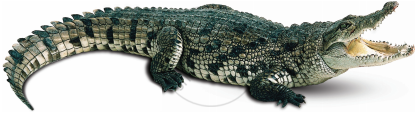
What do crocodiles eat? Talk about it.
Choose the rhyming words from the box and write them in the correct blanks.
grin, in, ______ , ______
- file
- din
- toss
- nail
- while
- paws
- thin
Choose the rhyming words from the box and write them in the correct blanks.
crocodile, Nile, ______ ,______
- file
- din
- toss
- nail
- while
- paws
- thin
How does he spread his claws?
Why does he welcome little fishes?
Which line talks about the crocodile’s mouth and his shape?
Was he finally successful in changing his pigtail’s position? Support your answer with a line from the poem.
Did something dreadful happen? How would you describe the events in the poem– comedy or tragedy?
Pin the tail on the donkey.
Read the poem line and answer the question given below.
But wondered much and sorrowed more
Because it hung behind him.
- What was he wondering about?
- What does the word ‘it’ refer to here?
