Advertisements
Advertisements
प्रश्न
Given in the box are some things that children do after they reach home from school.
Choose five things that you do when you reach home from school. Write them in order.
| pack school bag | put away school bag |
| read a story book | chat with mummy about school |
| sleep for a while | wash up |
| do the home work | watch TV |
| go to play | change out of school uniform |
Advertisements
उत्तर
- First, I put away school bag.
- Then, I change out of school uniform.
- Next, I wash up.
- After that, I have lunch.
- Finally, I do the homework.
APPEARS IN
संबंधित प्रश्न
The cook had planned to make another dish using the vegetable scraps.
Avial is a dish made in Kerala.
Do you have a similar dish in your state made from a mix of many vegetables?
- What is it called?
- Note down the ingredients used to make it.
- Write the recipe.
- Present attractively and display on the class board. You can draw and stick pictures too.
The bridegroom was unable to have bamboo curry in the end because ________.
What made Robinson Crusoe think that the print on the ground was a footprint?
He could not sleep because ______.
Why was Robinson Crusoe sure that it was not his footprint?
If you were alone at home and suddenly someone knocked at your door, what would you do?
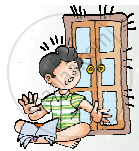
I ran as fast as I could ______ I was frightened.
Write a story on strange footprints.
- Where did you see the footprints?
- What sort of a day was it?
- Did you see them at night?
- What happened when you followed the footprints?
- What did you see?
- What happened then?
Do you have a timetable at school?
How many periods are there for the following subjects and activities in one week?
| English ___, | Hindi ___, | Maths ___, | Science ___, |
| Social Studies ____, | Games ___, | Art ___, | Craft ____, |
| Music ____, | Dance _____, | Any other activity? ____ |
My sister has ______ me how to ride a horse.
Rip was a hardworking man.
The drink from the barrel made him fall asleep for twenty years.
______ was his constant companion.
What kind of a man was Rip Van Winkle?
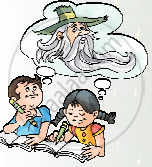
- He was a kind neighbour.
- ______
- ______
- ______
There were seven brothers altogether in the Sultan’s family.
Did the Sultan enjoy the Barber’s talk? Why do you say so?
Study the words in the first column and see the changes in them in the second column. The words in Column II are the opposites of the words in Column I.
| I | II |
| important | unimportant |
| patient | impatient |
| pleasure | displeasure |
Now write the opposites of the following using un-, im-, dis-.
- believe ______
- shaved ______
- perfect ______
- satisfy ______
- polite ______
- respect ______
- pure ______
- expected ______
- obedient ______
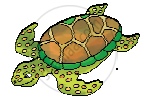
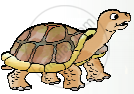
Can you tell the difference between a turtle and a tortoise? Write a few lines.
A giant tree ______.
