Advertisements
Advertisements
प्रश्न
Using the information given in the passage, write a short note on the following in your mother tongue.
Gond art
Advertisements
उत्तर १
English
Gond art is a traditional form of painting practiced by the Gond tribal community of central India. It reflects their cultural stories, folklore, and daily life. Gond artists typically use natural pigments, such as charcoal, colored soil, plant sap, and leaf extracts. Their paintings are characterized by intricate lines, dots, and geometric shapes, creating a rhythmic and dynamic visual effect.
The themes of Gond art predominantly revolve around nature, animals, birds, deities, and tribal lifestyles. In the 1980s, Jangarh Singh Shyam brought Gond art from walls to paper and canvas, giving it a modern identity. Today, Gond art is celebrated both nationally and internationally as a significant symbol of tribal art and culture.
उत्तर २
Marathi
गोंड कला ही मध्य भारतातील गोंड आदिवासी समाजाची एक पारंपरिक चित्रकला आहे, ज्यामध्ये त्यांच्या सांस्कृतिक कथा, लोककथा आणि दैनंदिन जीवनाचे चित्रण केले जाते. ही कला मुख्यतः भित्तिचित्रांच्या रूपात घरांच्या भिंतींवर आणि जमिनीवर साकारली जात असे. गोंड कलाकार नैसर्गिक रंगद्रव्ये, जसे की चारकोल, रंगीत माती, वनस्पतींचे रस, पानांचे अर्क, गायीचे शेण आणि चुनखडीचा पावडर, यांचा वापर करून चित्रे तयार करतात.
गोंड चित्रकलेतील वैशिष्ट्यपूर्ण घटक म्हणजे पुनरावृत्ती होणाऱ्या रेषा, बिंदू आणि भौमितिक आकृत्या, ज्यामुळे चित्रांना एक विशिष्ट लय आणि गती प्राप्त होते. ही चित्रे प्रामुख्याने निसर्ग, प्राणी, पक्षी, देवता आणि आदिवासी जीवनशैलीचे प्रतिबिंब दर्शवतात. गोंड कलाकार त्यांच्या चित्रांद्वारे त्यांच्या समृद्ध सांस्कृतिक वारशाचे आणि परंपरेचे जतन करतात.
1980 च्या दशकात, गोंड चित्रकलेला एक नवीन दिशा मिळाली, जेव्हा जनगढ़ सिंह श्याम या गोंड कलाकाराने पारंपरिक भित्तिचित्रांना कॅनव्हास आणि कागदावर आणले, ज्यामुळे या कलेला राष्ट्रीय आणि आंतरराष्ट्रीय स्तरावर ओळख मिळाली. त्यांच्या या प्रयत्नांमुळे गोंड कला पारंपरिक मर्यादांपलीकडे जाऊन आधुनिक कला क्षेत्रात स्थान मिळवू शकली.
उत्तर ३
Hindi
गोंड कला मध्य भारत के गोंड आदिवासी समुदाय की पारंपरिक चित्रकला है। यह कला उनके सांस्कृतिक जीवन, लोककथाओं और दैनिक गतिविधियों को दर्शाती है। गोंड चित्रकार आमतौर पर प्राकृतिक रंगों का उपयोग करते हैं, जैसे कि चारकोल, मिट्टी, पौधों के रस और पत्तों के अर्क। उनकी पेंटिंग्स में बारीक रेखाओं, बिंदुओं और ज्यामितीय आकृतियों का विशिष्ट उपयोग होता है, जो चित्रों में लय और गति पैदा करता है।
गोंड चित्रकला में मुख्यतः प्रकृति, पशु, पक्षी, देवता और आदिवासी जीवन शैली को दर्शाया जाता है। 1980 के दशक में जनगढ़ सिंह श्याम ने इस पारंपरिक कला को कागज और कैनवास पर लाकर इसे नई पहचान दी। आज, गोंड कला को राष्ट्रीय और अंतरराष्ट्रीय स्तर पर सराहा जाता है और यह आदिवासी कला और संस्कृति का प्रतीक मानी जाती है।
APPEARS IN
संबंधित प्रश्न
Talk to your partner about the following.
The author’s grandmother was a religious person. What are the different ways in which we come to know this?
What would you say are 'the finer growths' that the story supports in a novel?
Answer in your own words.
What did Revathi discover about her balsam plants?
The mother was working, when the Swallow brought the yellow jewel.
Choose a 'question' through your own observation. Try to follow the scientific method to find the answer to that question. Take the help of your teacher/parents to set up the experiment.
Draw word webs for the following.
Begin with the given word and go on writing as many other words associated with it, as you can.
Use these words to write other related words to form a word web.

Use this passage to play the game. You can collect information on other famous personalities and play too.
Charlie Chaplin was born on April 16, 1889, in London England. His birth name was Charles Spencer Chaplin, though he had many nicknames growing up such as Charlie, Charlot, and The Little Tramp. His father, Charles Chaplin, and his mother, Hannah Chaplin, were inducted into the music hall of fame, leading the way to his exposure even as a young boy. His first onstage moment was when he was 5 years old; he sang a song that was intended to be sung by his own mother; she had become ill at the time of the performance, so little Charlie Chaplin stood instead and performed for his mother.
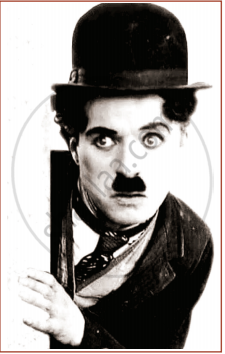
Charlie Chaplin came to the United States in 1910, at the age of 21. He was brought to New York, which was known to be a great place to start out for anyone trying to become a professional actor. Two years later, in 1913, Chaplin signed his very first contract at Keystone and it was no time before he headed to Hollywood. His first movie premiered in 1914, “Making a Living,” and went on to make over 35 movies total in that year alone. Charlie Chaplin grew to become one of the most popular and successful actors of all time. The moment that really kicked off his long career was in 1921 when he starred in, and produced, his first full-length film called “The Kid.” From then on, most people all over the world knew Charlie Chaplin and loved his movies. He had a great career and life, dying on December 25, 1977, in Vevey, Switzerland. He had apparently died of natural causes in his sleep from old age.
What did Usha see while walking to the bazaar?
What does the earth do when the day is over?
What did the animals do when they saw the blue jackal?
