Advertisements
Advertisements
प्रश्न
The IUCN Red Data List (2004) in the last 500 years documents the extinction of nearly 784 species including ______.
विकल्प
330 invertebrates
338 invertebrates
359 invertebrates
362 invertebrates
Advertisements
उत्तर
The IUCN Red Data List (2004) in the last 500 years documents the extinction of nearly 784 species including 359 invertebrates.
Explanation:
The IUCN Red List (2004) documents the extinction of 784 species (including 338 vertebrates, 359 invertebrates and 87 plants) in the last 500 years.
APPEARS IN
संबंधित प्रश्न
With the help of any one example explain Alien species invasion as one of the causes of Biodiversity losses.
Match the following columns.
| Column - I | Column - II |
| (i) Dodo | (a) Africa |
| (ii) Ouagga | (b) Russia |
| (iii) Thylacine | (c) Mauritius |
| (iv) Stellar's sea cow | (d) Australia |
Choose the correct match from the following
What is common to the following plants: Nepenthes, Psilotum, Rauwolfia and Aconitum?
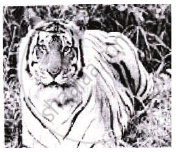
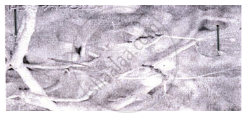
What is common to the species shown in figures A and B?
 |
 |
| A | B |
Though the conflict between humans and wildlife started with the evolution of man, the intensity of conflict has increased due to the activities of modern man. Justify your answer with suitable examples.
What is ex-situ conservation?
Give definitions of Invasive species.
Which of the following pairs correctly represents examples of alien species invasion?
Which IUCN category describes species facing an 'extremely high risk of extinction in the immediate future'?
Which of the following is an example of a species in the 'Least Concern' (LC) IUCN category?
