Advertisements
Advertisements
प्रश्न
This is a picture of the most beautiful specimen of Khilji architecture, which was added as an entrance to the Qutb complex in Delhi.

With reference to the reign of this ruler, mention two important features the Reorganization of the army
Advertisements
उत्तर
Alauddin was the first Sultan of Delhi to lay the foundation of a permanent standing army. The size of the standing army was greatly enlarged. Alauddin introduced the system of branding horses and maintaining a descriptive roll of the soldiers. Spies were kept in every unit of the army.
संबंधित प्रश्न
What evidence do we have to prove that Alauddin was a patron of art and learning?
This is a picture of the most beautiful specimen of Khilji architecture, which was added as an entrance to the Qutb complex in Delhi.
Identify the monument.
This is a picture of the most beautiful specimen of Khilji architecture, which was added as an entrance to the Qutb complex in Delhi.
With reference to the reign of this ruler, mention two important features of the Revenue reforms
This is a picture of the most beautiful specimen of Khilji architecture, which was added as an entrance to the Qutb complex in Delhi.
With reference to the reign of this ruler, mention two important features of the Market control policy
New types of food, such as bread and wine, became a part of Indian cuisine during the Sultanate period.
Answer the following question in one or two words/sentences:
What is the characteristic feature of Sultanate architecture?
Answer the following question in one or two words/sentences:
Which two styles of music influenced the development of Hindustani music?
Answer the following question in one or two words/sentences:
By whom were qawwalis popularized?
This is a picture of a musical instrument used in Hindustani classical music. The name is derived from the Persian words—‘seh’ (meaning ‘three’) and tar’ (meaning ‘strings’).
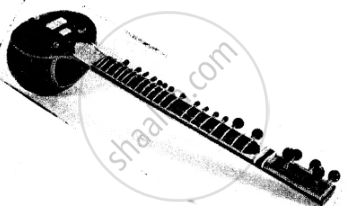
Identify the musical instrument.
This is a picture of a musical instrument used in Hindustani classical music. The name is derived from the Persian words ‘seh’ (meaning ‘three’) and tar’ (meaning ‘strings’).
By whom and how was it invented?
