Advertisements
Advertisements
प्रश्न
See the given pictures and write down the state of each object. (Solid, Liquid, Gas)
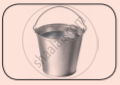 |
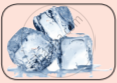 |
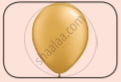 |
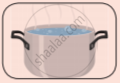 |
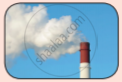 |
| _____ | ______ | ______ | ______ | ______ |
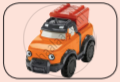 |
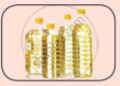 |
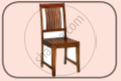 |
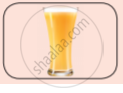 |
 |
| ______ | _______ | ______ | ______ | ______ |
Advertisements
उत्तर
|
|
|
|
|
| Liquid | Solid | Gas | Gas | Gas |
|
|
|
|
|
| Solid | Liquid | Solid | Liquid | Solid |
APPEARS IN
संबंधित प्रश्न
Give one example of the diffusion of a solid in another solid.
Compare the properties of solids, liquids and gases in tabular form.
Give reasons:
When a teaspoon of sugar is added to half a glass of water and stirred, the water level in the glass remains unchanged.
Fill the following chart showing twelve solids, twelve liquids, four gases and eight materials.
Explain the term ‘Interconversion of matter’. With reference to ice, water, and water vapour show diagrammatically the change of state of matter from solid to liquid to gaseous and back to the original state.
State the property of the following substance.
Manganese dioxide, a catalyst which alters the rate of a chemical reaction is black in colour.
Choose the odd one:
The feather and paper cup can float on the water.
How the matter is grouped on the basis of physical states?
What is the physical state of water at 100ºC?
