Advertisements
Advertisements
प्रश्न
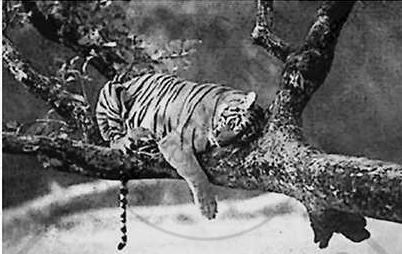
Study the picture given below. Write a short story, description, or account of what the picture suggests to you. Your composition may be about the subject of the picture, or you may take suggestions from it; however, your composition must have a clear connection with the picture.
Advertisements
उत्तर
When will God’s best creation—man—stop interfering with God’s other creation on earth, be it flora or fauna? Oh, man! When will you stop being selfish? Please understand that you need air, water, and shelter to survive, and so do I. This is the wail and cry of the lower creatures existing with a man on Mother Earth.
Rani, the lioness, is without a home. She is forced to take refuge in a tree, her majestic presence reduced to a pitiful sight. She is in a state of desperation, unsure of how to survive. The queen of the forest, the lady of the first animal of the forest, whom all fear for their lives, is now herself fighting for her survival. What a tragic turn of events! She never could have imagined that life would bring her to such a point where she, who lived by preying on other animals, would become prey to God’s supreme creation—Man.
Not only has her shelter been snatched, but she has also been bereft of food and fodder. There are no helping hands coming forward to save the plight of her lot.
Little does Rani know that a man who hurts and kills his brethren for his own selfish and materialistic motives will think about these mute creatures. How much she may roar and grunt, wear out her sharp claws, her voice will be heard by none. The scene portrays this, having run from pillar to post and back. She is dead tired, despaired, sad, and does not know what to do.
This helpless sight of Rani should serve as a stark reminder to man, urging him to reconsider the consequences of his actions. Before he takes a step towards deforestation in the name of progress and development, he must pause and reflect. He should remember that as you sow, so shall you reap. If he uproots the lower creatures of their habitat, the day will not be far when nature will retaliate with all its fury in the form of floods, earthquakes, tsunamis, etc. I earnestly hope that man will awaken from his indifference and ensure that all low or high creatures are given an equal opportunity for peaceful survival. I conclude with a hopeful note that Rani and her counterparts will not have to endure such hardships in the future.
