Advertisements
Advertisements
प्रश्न
Open your mouth, look into a mirror and try to count the different types of teeth in your mouth. Compare them with Figure on page 13 of your NCERT textbook.
Record your observations in the table below:
| Type of teeth | Number of teeth | |
| In my mouth | In the figure | |
| Incisors | ||
| Canines | ||
| Premolars | ||
| Molars | ||
- Did you observe any difference in the number of teeth? If yes, could you identify which type of teeth showed the difference?
- Compare the number and type of teeth in an adult (say your parents or cousins who have reached the age of 25-30 or more). Note your observation.
Advertisements
उत्तर
| Type of teeth | Number of teeth | |
| In my mouth | In the figure | |
| Incisors | 8 | 8 |
| Canines | 4 | 4 |
| Premolars | 8 | 8 |
| Molars | 8 | 12 |
- Yes, molar teeth showed the difference in number of teeth.
- A child (of class 7) has 8 incisors, 4 canines, 8 premolars and 8 molars in his mouth whereas an adult who has reached the age of 25-30 has 8 incisors, 4 canines, 8 premolars and last 4 molars are added after the age of 18 years in most human beings.
APPEARS IN
संबंधित प्रश्न
Name the different types of teeth.
Say true or false.
Brush your teeth once a day.
Every day we should brush our teeth _______ times.
List out the food items for healthy mouth and teeth.
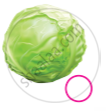
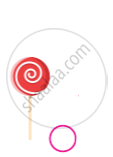
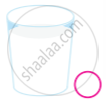
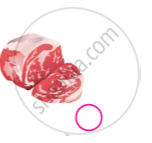
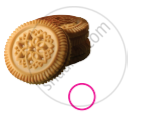
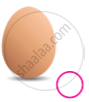
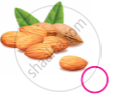
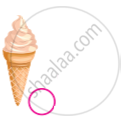
Tick (✓) the foods that are good for your teeth and cross (x) the food that is bad for your teeth.
 |
 |
 |
 |
 |
 |
 |
 |
 |
 |
 |
 |
Differentiate the following.
Diphyodont and Heterodont
The crown of the tooth is covered by the hardest substance of the body called the ____________.
Match the Column I with Column II and select the correct option.
| Column I | Column II |
| i. Heterodont | a. Teeth embedded in separate sockets in jaw bone |
| ii. Diphyodont | b. Four sets of teeth |
| iii. Thecodont | c. Two sets of teeth in lifetime |
What is milk teeth?
Name the four types of the permanent teeth.
